


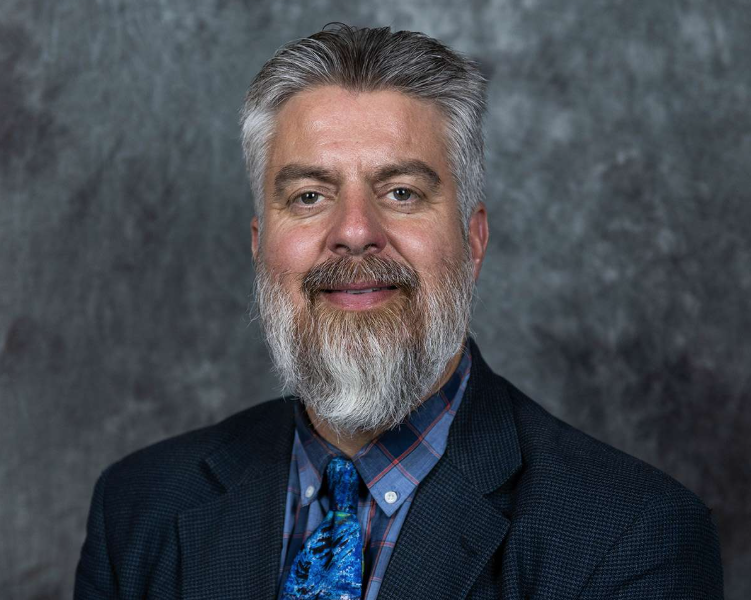
By Dr. Russell Arben Fox
Professor of Political Science at Friends University
Two months ago, I wrote a column on how Kansas Christians (which over two-thirds of the population identify as) have changed how they make use of their influence as citizens. At one time, many Christians aimed to lift up Kansas society to the moral level they held to be scripturally mandated; today, with a few notable exceptions, the focus is more about providing financial support or legal protection to individuals, families, or businesses that affirm particular Christian standards, and less about presenting their moral message as relevant to social life itself.
I received some push-back to that column, particularly because my examples, both past and present, involved topics that mapped mostly onto Republican party priorities. But there are plenty of religious believers in Kansas who approach the question of how to engage in public life with a focus on collective causes that are more typically associated with Democrats, and some attention to them ought to be paid as well.
For example, over the past five years, multiple church-based organizations have sprouted up throughout Kansas, joining with others that have had a long history within their local communities, and giving new voice to groups of believers who feel a need to, first, drill down on specific public policy problems, and second, pressure city and county officials to recognize the problems that have been identified and respond to the solutions which these groups recommend.
These groups—all of which are multi-faith, but within which Christian congregations invariably provide the largest number of supporters—include Topeka JUMP (Justice Unity and Ministry Project) in Shawnee County, MORE2 (Metro Organization for Racial and Economic Equity) in KCK and KCMO, Churches United for Justice in Wyandotte County, and the organization I know best, Justice Together in Sedgwick County. Through these organizations thousands of believers, most invoking the Bible, have pushed for the creation of municipal IDs (which help homeless individuals begin to rebuild their lives by applying for jobs and aid), for setting up affordable housing funds (which helps bring downward pressure on home costs in genera), and creating additional services for those struggling with mental health or facing gun violence.
Here in Wichita, at a recent town hall on the city’s 2027 budget, Justice Together brought out over 130 people to testify to the importance of trying once again to secure through the ballot a stable, enduring source of funding for affordable housing and homelessness support, as well as other issues. The turnout was so large the meeting had to be moved to the main city council chambers, and the power of their voice (and vote) was acknowledged throughout the evening.
Despite these numbers, many continue to see Christian engagement in politics as the natural property of conservatives, and point to how some progressives have reacted with hostility to the entrance of Methodist minister Adam Hamilton into the race to be the Democratic challenger to Senator Roger Marshall as evidence for their presumptions. That hostility is mostly online and isn’t terribly loud, but it is real. In a low-turnout primary election, it might even be enough to sink Hamilton’s chances with the Democratic electorate (despite many of those same voters supporting churches engaged in the social justice work mentioned above).
Decades ago, Christian priorities were as likely to be expressed by Democrats as by Republicans. That, obviously, has changed a lot over the years. In Kansas this election season, there’s a variety of individuals and organizations that seem to be trying to change that back; it’ll be interesting to see to what degree they succeed.
Dr. Russell Arben Fox teaches politics at Friends University in Wichita, KS