


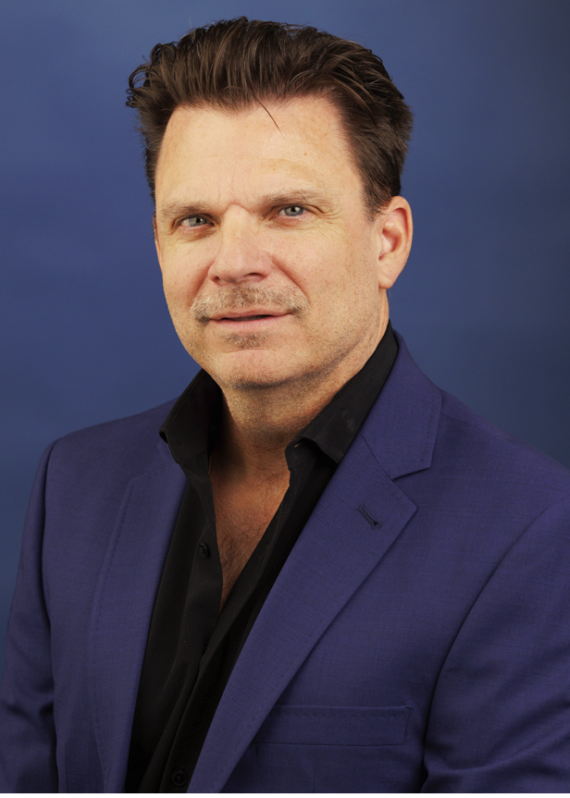
By MARK R. JOSLYN
Insight Kansas
So, that’s what a competitive Senate race looks like.
Millions of dollars flood the state, broadening the campaign, multiplying attack ads and intensifying political discourse. Journalists from major news organizations descend, writing stories, spotlighting local issues, and engaging with voters across the state. The president and vice president even show up.
The campaign becomes a national curiosity with national consequence. Kansas history offers no parallel, though the 1974 contest shares similar features
Then, as now, the national environment strongly favored Democrats. Bob Dole, a first term Republican senator, sought reelection. Like Roger Marshall, he joined the Senate after first serving in the House of Representatives for Kansas’s westernmost district. And then, as now, the Republican incumbent was connected to an unpopular president. Dole was Nixon’s fiercest supporter and even after the Watergate scandal broke, he defended him and remained loyal.
Marshall, too, never abandoned his party’s president, appearing on stage with Trump at multiple rallies and doubling down on the president’s signature issues.
Just a couple of months after Nixon resigned, Republicans lost 48 seats in the House and four in the Senate. This boosted the Democrat majority to a commanding 291 and the Senate to a filibuster-proof 60.
But it could’ve been worse. Dole, to his credit, won by a mere 1.7%. And, in Houdini like fashion, fellow GOP Senators Henry Bellmon of Oklahoma and North Dakota’s Milton Young barely escaped, each by less than a half point.
Both eras featured strong Democrat challengers. William Roy, a moderate, a physician and two-term House member, and later newspaper columnist, led in the polls for months. He effectively linked Dole to Nixon, who he said put “loyalty to Nixon and his party ahead of his state.”
That should sound familiar. In a recent CNN poll, 67 percent of Kansans agreed that if elected Roger Marshall would support the interests of Trump and the Republican Party over the interests of people in Kansas.
More than Roy, Adam Hamilton displayed a real talent for campaigning, proving the skills of leading a mega church map well onto electoral politics.
Deploying Governor Kelly’s blueprint, Hamilton contrasted his moderate temperament and conciliatory approach to Marshall’s strident, Trumpian politics. This attracted moderate Republicans and Independents, two groups Democrats must poach to have a chance.
And this is where the similarities end. Dole eventually gained his footing casting Roy as too liberal for Kansas, deftly shifting attention away from Nixon toward a direct choice between the two candidates. Marshall, on the other hand, lacked the same political savvy, the headwinds of this cycle simply overwhelmed him. His favorability ratings plummeted. Meanwhile, as Kansans got to know more about Hamilton, he pulled ahead.
Marshall soon realized his fate hinged on whether Trump could mobilize his 2024 electoral coalition. He couldn’t. It was much too little, and much too late.
This election showed Kansas is no longer predictable. Democrats are stronger than in the past. They are increasingly concentrated in affluent suburbs and college towns. Naturally, they now desire a greater share of political power.
Adam Hamilton’s victory is emblematic of that reality. So, too, appears to be Cindy Holscher’s win.
Kansas voters wanted something different. They got it.
Dr. Mark Joslyn is a professor of political science at the University of Kansas.