


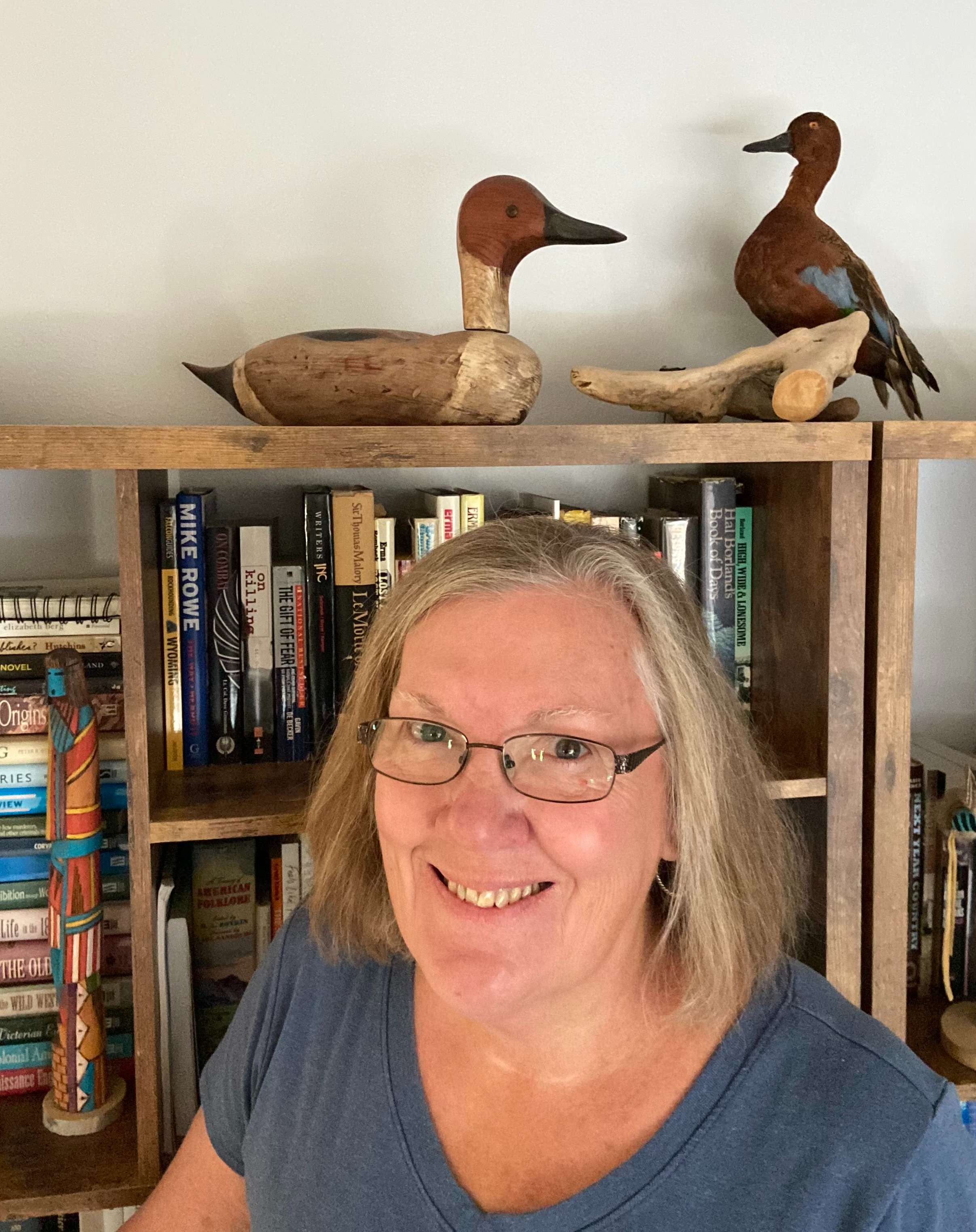
By Karen Madorin
Blowing dust and parching drought remind us of stories we read or heard older generations share about Dust Bowl and Great Depression years.
Locally, a drive around area communities provides views of cemetery walls, swimming pool bathhouses, picnic shelters, bridge and culvert supports along highways and railroads, and water fountains built by WPA workers—all constructed of locally quarried stone.
It reminds us of years when no rain fell, wind created monumental dust storms that turned noon skies dark as those at midnight, loved ones died of dust pneumonia, and economies collapsed--driving families from farms, ranches, and homes. These limestone constructions commemorate Stickers, people who stayed, many employed by a New Deal Federal Program called the WPA begun May 6, 1935.
Designed to improve communities, this program taught manual trades and offered a job to one person from every qualifying family. Not only did it provide important infrastructure, the program prevented starvation and homelessness during catastrophic weather and economic conditions.
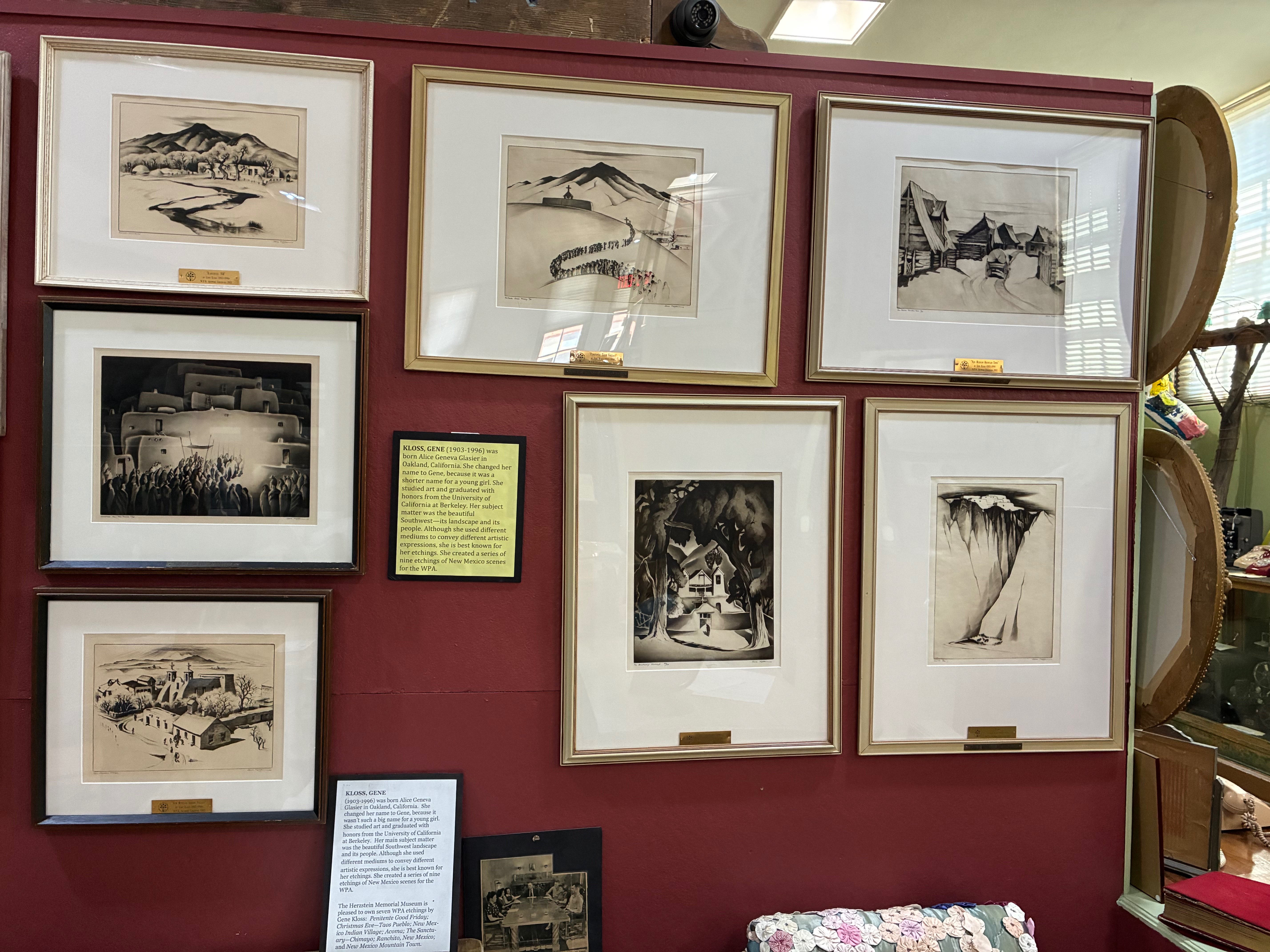
I’ve written in the past about local stone construction and WPA outhouses called Eleanors. While researching those subjects, I read about the WPA Federal Art project and heard about WPA sponsored murals in Kansas Post Offices. However, I didn’t realize how expansive this program was until I visited the Herzstein Museum in Clayton, NM, intending to explore dinosaur tracks and western history. Once there, the largest collection of WPA art in New Mexico expanded my dinosaur curiosity to include WPA art.
The Great Depression was hard on everyone who lived in a Dust Bowl impacted state, but I hadn’t thought about how much harder it would be on creatives who struggle financially even now to market their work. The WPA bureaucracy factored this into their plan and created Federal Project Number One to support cultural endeavors.
It employed visual artists, musicians, and writers to use their talents to contribute to their communities. Visit Clay Center City Park to admire the Band Shell that sheltered local musicians. Go online to read Slave narratives collected by WPA sponsored writers who interviewed living, formerly enslaved individuals. These histories are gripping. After finding this WPA art collection in the Herzstein Museum in Clayton, I’ll continue to search for WPA created art in area museums.
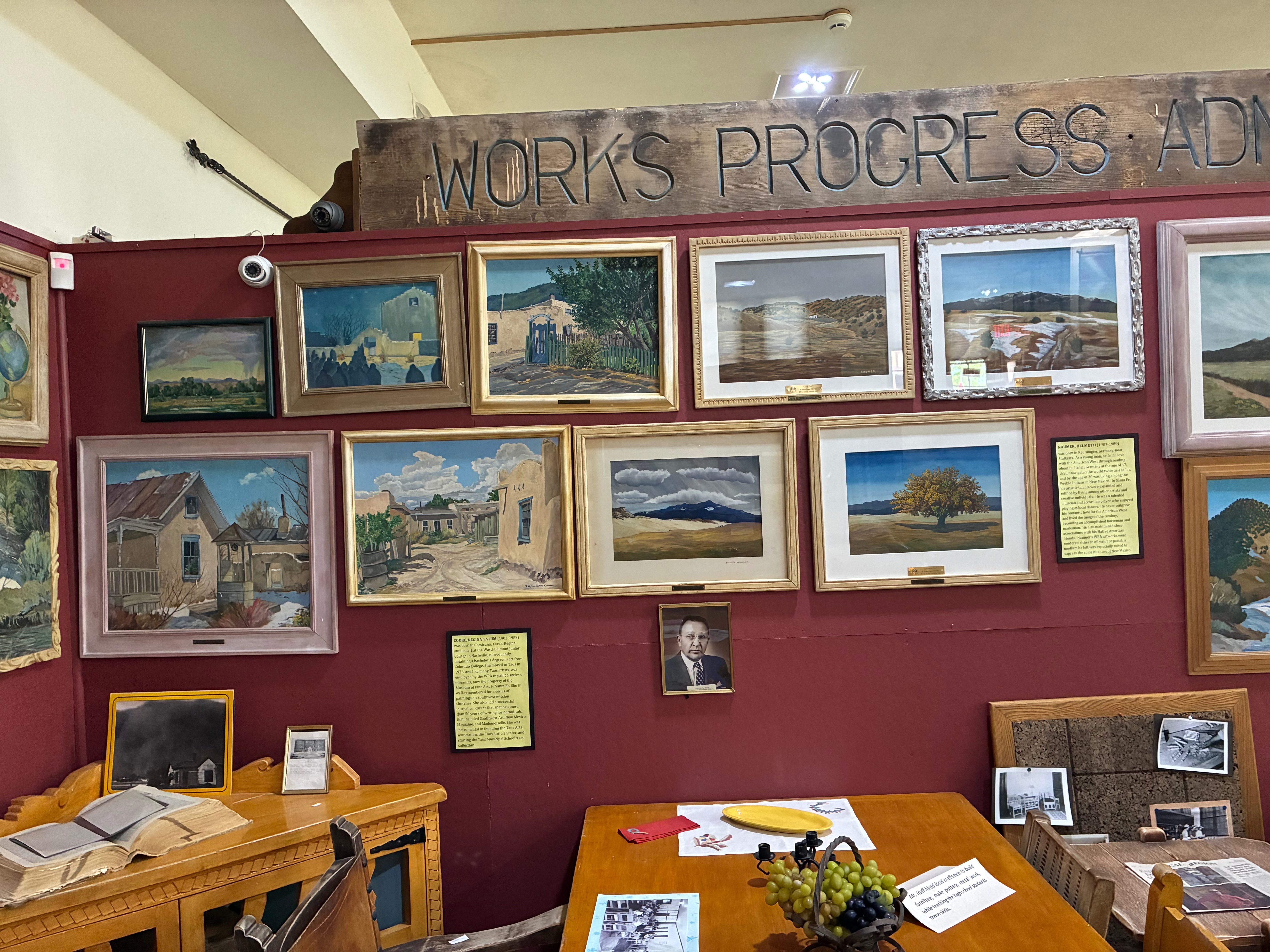
As I wandered each level of displays in this museum housed in an old Methodist Episcopal church, Gene Kloss’s black and white etchings of New Mexico landscapes caught my eye. After studying them to identify each site she recreated, including Taos Pueblo and the Sanctuary at Chimayo, I discovered information that explains this museum has 7 of 9 Gene Kloss etchings created for the WPA. Hidden treasure waits to be found in rural areas of the Great Plains.
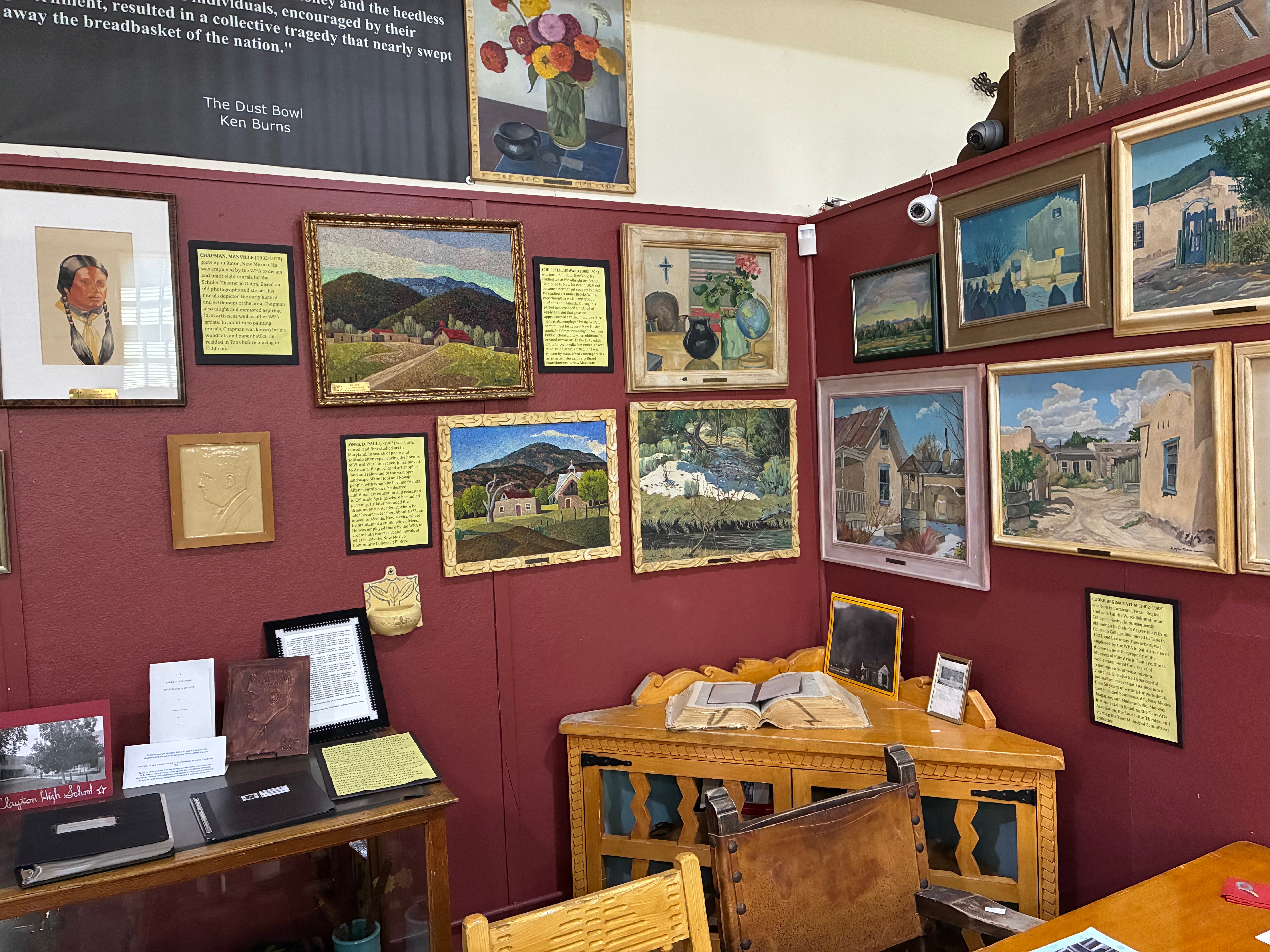
In addition to Kloss’s work, the museum displays other significant regional artists who captured New Mexico scenes using various media, including etching, oil, watercolor, and acrylics. These include Helmuth Naumer, Howard Schleeter, Paul D. Jones, Manville Chapman, Regina Tatum, James Morris, Polia Pillin, and more. Some focus on landscapes, some on people, and some capture the spirit of this harsh landscape.
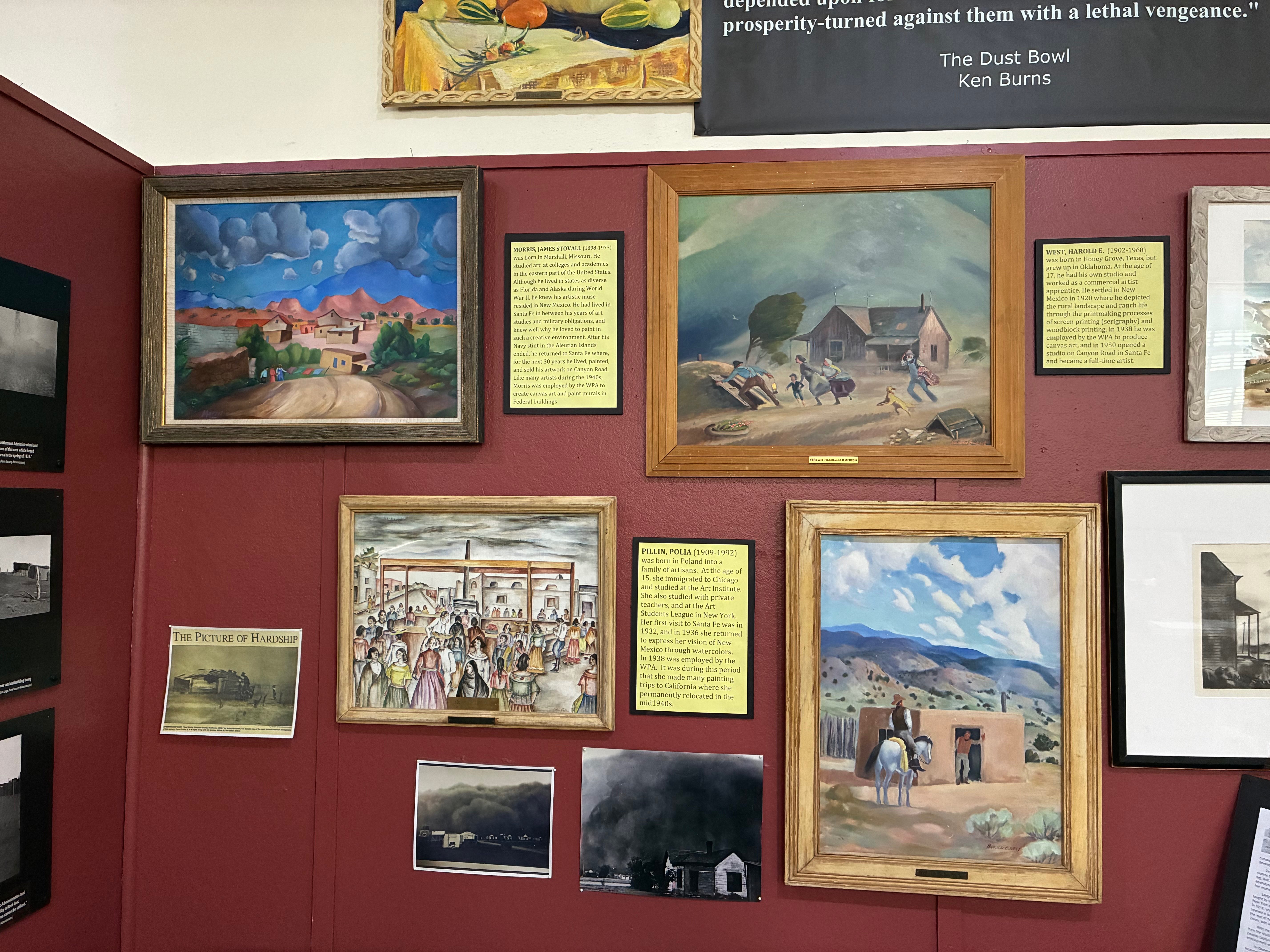
When visiting, plan to appreciate this collection. It reflects a world we can learn from as we face challenges similar to those past generations survived while still producing art.