


By CRISTINA JANNEY
Hays Post
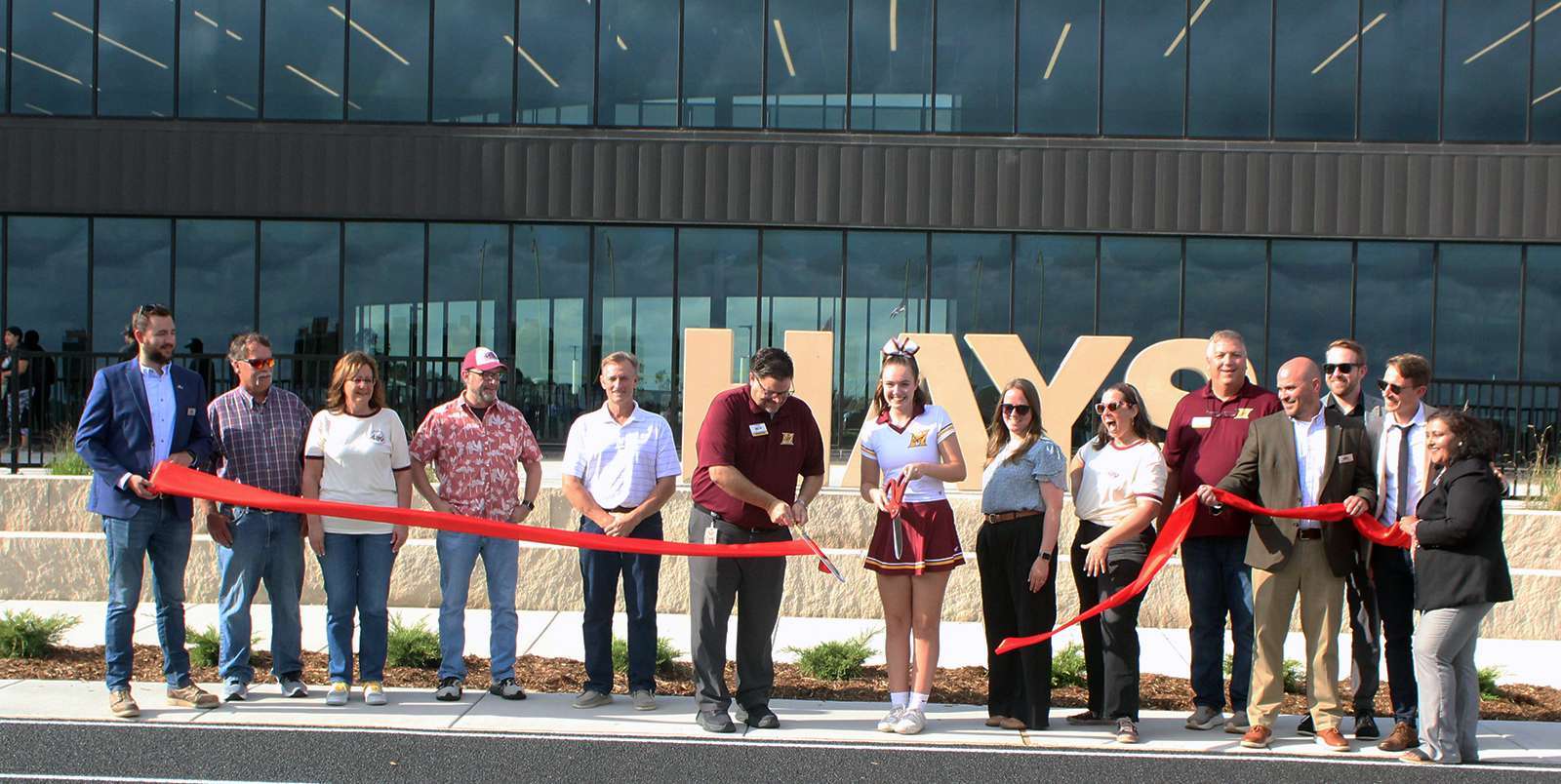
The last of the bond-funded projects were completed in August.
The Hays school district passed a $143.5 million bond issue in 2022.
• A new high school was built.
• Roosevelt Elementary School was expanded and renovated.
• The former high school was renovated into a middle school
• The former middle school was renovated into a four-section elementary school.
• O’Loughlin Elementary School was expanded and renovated
. Lincoln and Wilson elementary schools were closed as schools.
• Lincoln has been sold. Wilson will be renovated into an administrative center, although that will not be paid for through bond funds. Rockwell Administration Center is in the process of being sold.
Now that the projects are complete, the Post is looking back on how the money was spent and how much the community will pay back during the next 30 years.
“There was so much confusion about all of those numbers and mixing up the difference,” Chris Hipp, assistant superintendent for business, said. “ I mean, we sold $143.5 million in bonds, and we repay that loan of $143.5 million with the 4% interest over the next 30 years.”
After the district sold the bonds in 2022, it invested the proceeds until it needed the money to pay for projects.
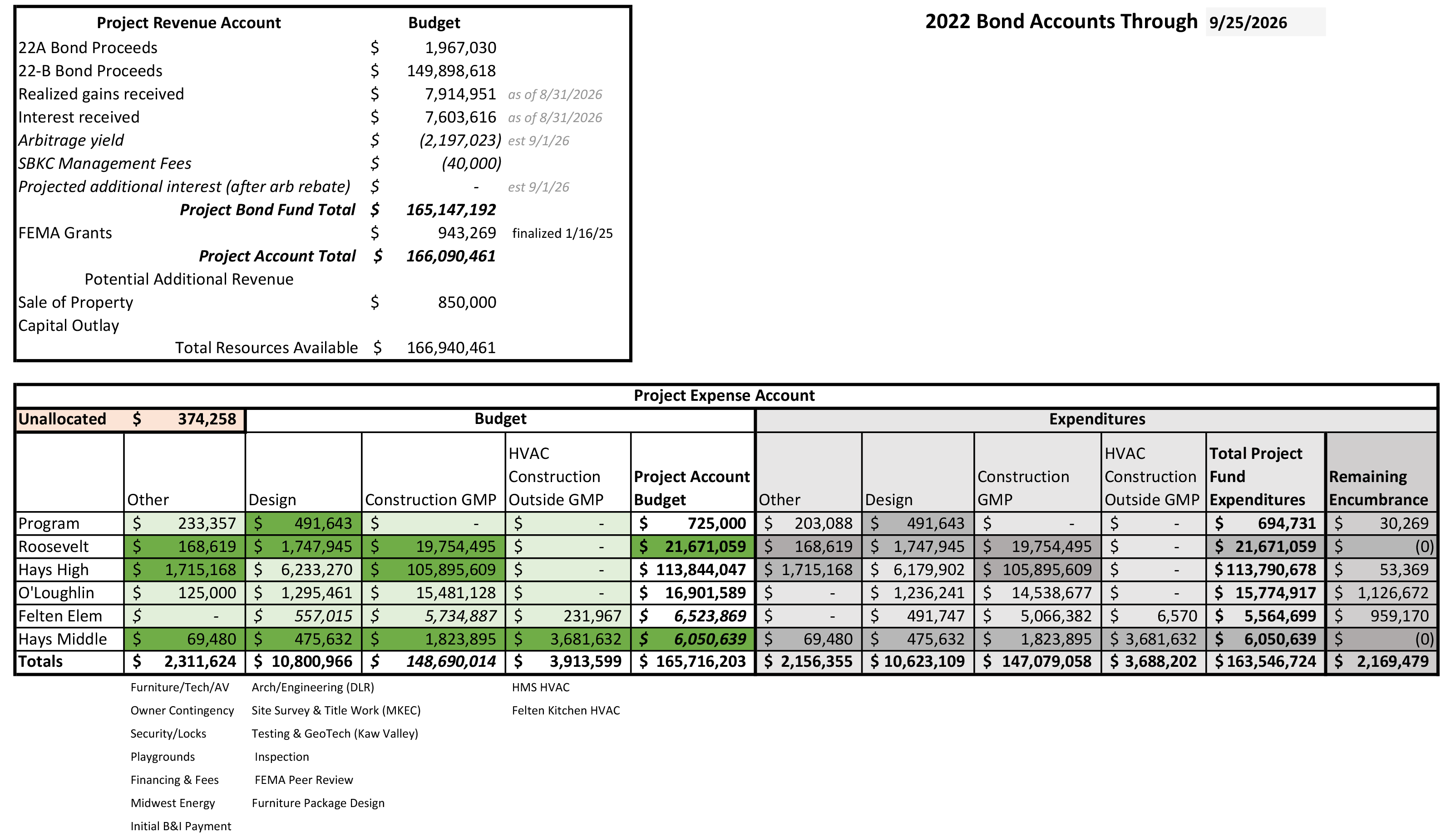
As a result, the district has received more than $15.5 million in interest.
However, the school district is limited in how much interest it can collect on the bond proceeds. This is known as arbitrage. The district must pay the federal government $2.197 million in arbitrage, plus $40,000 in management fees, to its financial service provider.
If you add the bond proceeds and interest, minus the arbitrage reduction and financial service fees, that leaves $165,147,192 for the bond projects.
The district also obtained a FEMA grant for a storm shelter at Hays High. This added another $943,269 to the bond projects total.
Although the bond projects account rose to more than $166 million, Hipp said district taxpayers are still paying back only the original $143.5 million in bonds plus interest.
“It confuses people, and then it leads people to say things like, ‘Well, you overspent,’” Hipp said.
“No, we didn't overspend. You can't overspend. You have a pot of money. The money that we earned, the interest and the principal from selling those bonds is the pot of money to go do the projects. We can't overspend, and you can't overtax.”
Pay back, including sales tax
The bond will be paid back through property taxes and a half-cent sales tax.
Because Hays has a larger property tax base than other school districts in the state, that means it received no state aid toward its bond-funded projects.
That left the entire tax burden on local residents, Ron Wilson, USD 489 superintendent, said.
“I mean, it's nice because then you know that's not only residents, but it's people coming in from outside the community and helping equalize some of that bond,” Wilson said of the sales tax.
The sales tax will sunset after 10 years. If it is not renewed, the district will have to rely solely on property tax, which will likely have to increase to cover the bond payments.
The sales tax can only be used to pay off the bond.
Wilson said the sales tax was the “silver bullet” to getting the bond passed. He said he was very thankful to the city commission for allowing the district to tap into that resource.
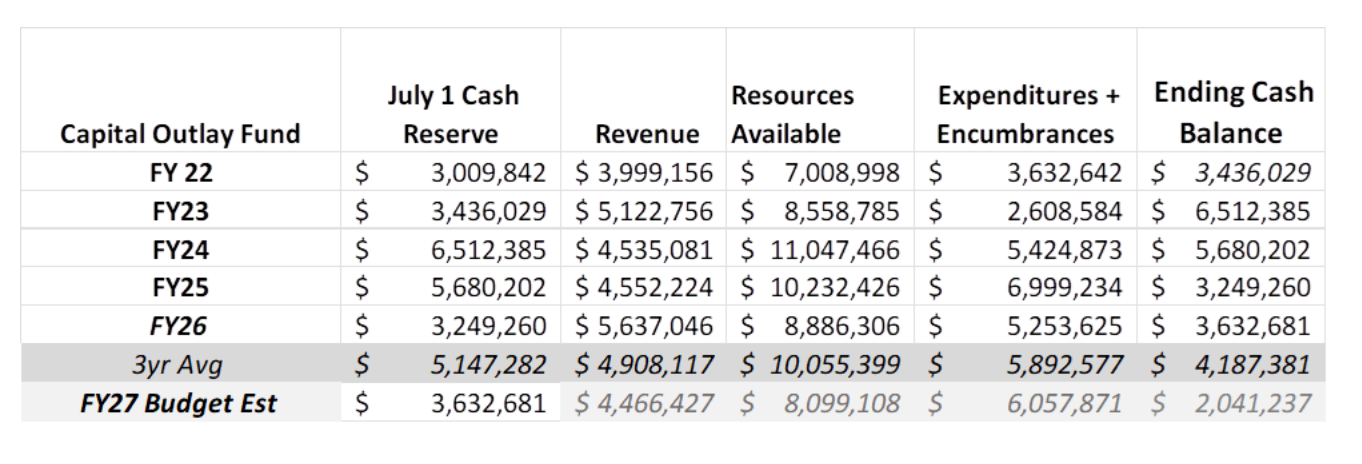
Capital outlay funds
The former Lincoln Elementary property was sold as a result of the bond realignment, and those funds went into the district’s capital outlay fund.
“The interest came in high enough that we got the projects done as they were designed and didn't need to dip into the sale of property or any other capital outlay funds,” Hipp said.
He said the Lincoln sale has helped maintain cash reserves in the capital outlay fund.
A capital outlay fund is used to maintain, build or repair physical assets. For the district, this has included things such as building repairs, bus purchases and technology purchases.
SEE RELATED STORY: Hays USD 489 BOE reviews capital outlay plan as bond projects come to close
Hipp said before the bond passed, the school district had to maintain high reserve balances because of the age and condition of its buildings, including aging HVAC units. He said the district still has a healthy reserve. He said the district needs to maintain at least $2 million in reserve to maintain cash flow.
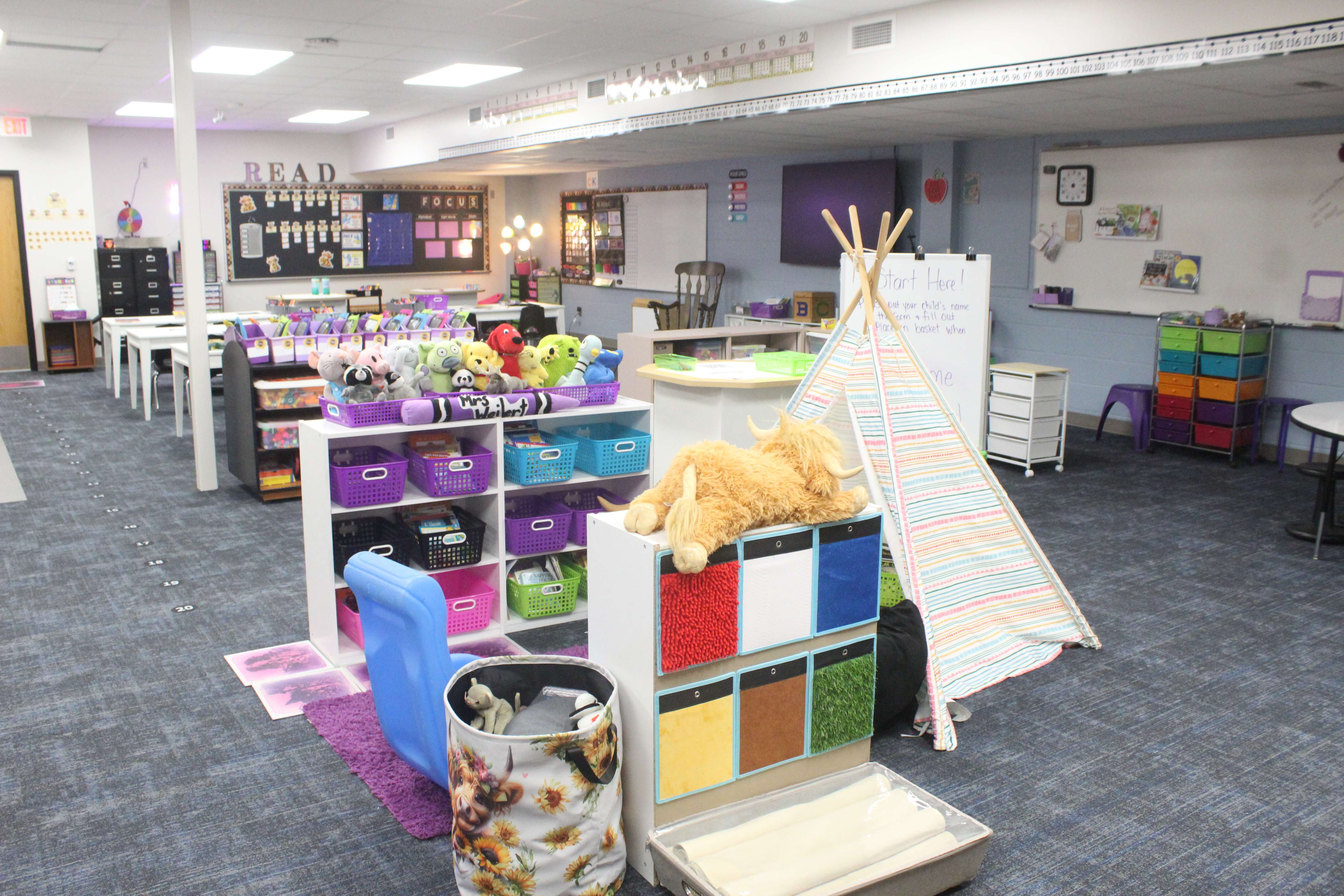
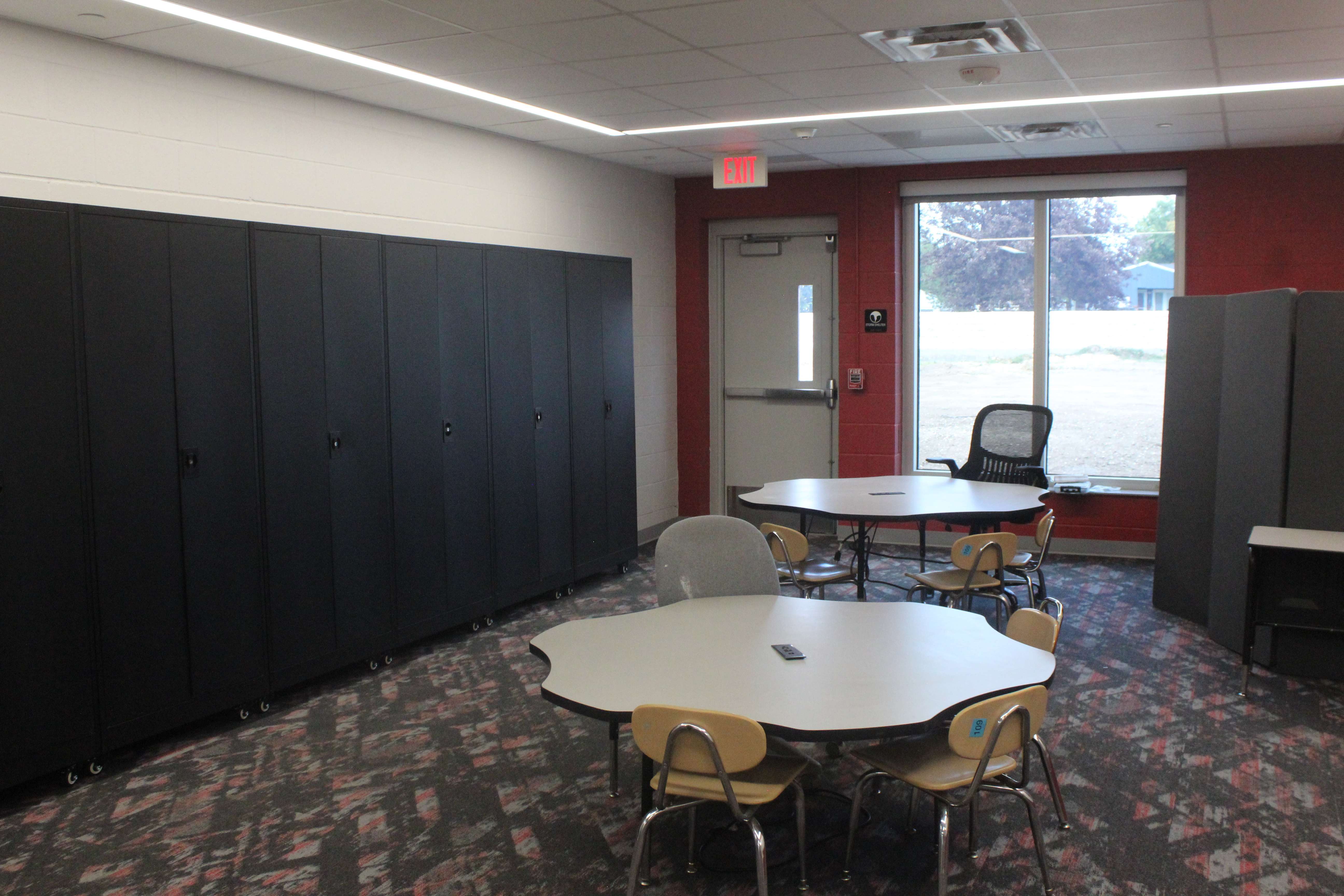
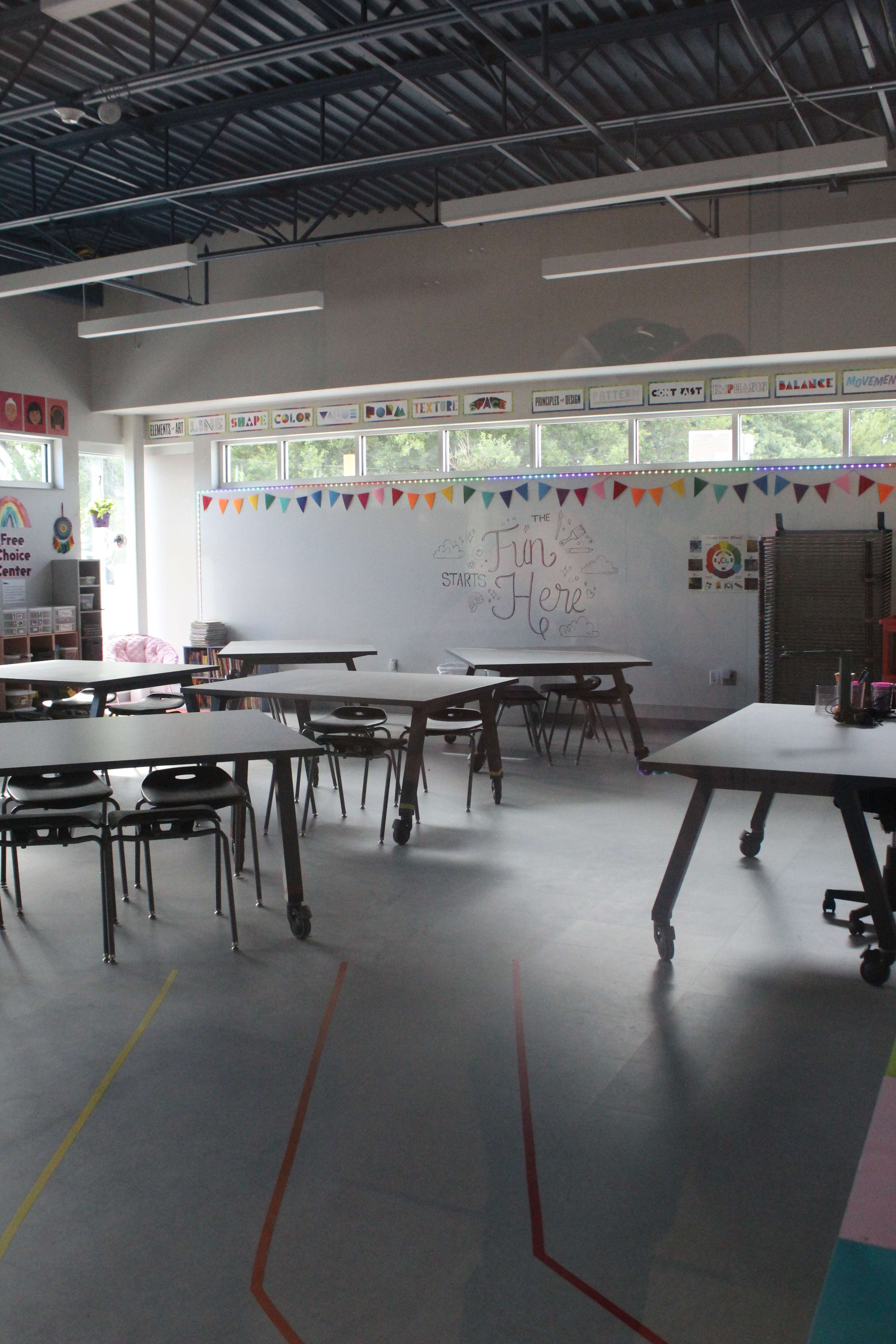
Hipp said that as of the beginning of October, even though all projects have been completed, the school district still has about $2.1 million of bills left to pay. Most of those bills relate to the O’Louglin and Felten elementary school projects completed in August. Bond funds remain to pay those bills.
In addition, $345,000 in undedicated funds will likely be used for projects not under contract with Nabholz Construction, the district’s construction manager at risk.
This included reconstructing the other half of the O’Loughlin parking lot, Hipp said.
Wilson said, “We utilized every dollar that we could on everything that we could to make our schools improved.”
Inflation, change orders
He said the school district had to estimate in 2022, when the bond passed, what construction would cost over four years and how much interest the district would earn. Both are variable, with inflation playing a key role, Wilson said.
“So people always want to say, ‘Well, what is the plan? Well, you just work within the dollars that you have, and you do as much as you can, without overspending, which we really did a great job,” he said.
He added, “It was just basically O’Loughlin and Felten that really saw the majority of the inflation. We saw some escalated costs because we were coming out of COVID when costs were pretty low, and they've continued to rise.
“But really, the last year, the project was tough because we just didn't know exactly how it was going to unfold.”
Some members of the Hays school board have been critical of change orders at the high school, plus an additional $1 million cost to reconstruct sewer at O’Loughlin Elementary School.
Replacement of O'Loughlin Elementary sewer to add $1M to project
“I would say any time you're doing a construction project, there is going to be change orders in every project, and we had, of course, over a four-year period of construction, we had lots of things that we were not expecting, and that's what happened throughout.
“But at the same time, I feel like once again we managed all those change orders really well, and always had a good reason behind them, the reason we needed them and why they were important. None of the change orders were for frills,” Wilson said.
Hipp said adjustments were made to other projects as the bond-funded projects progressed. The district also maintained a 5% contingency fund on all the projects to account for unexpected expenses.
Wilson said construction projects typically build in a 10% contingency, but the district was trying to be conservative with its funds.
He said school districts don’t usually complete bond-funded projects of the scope that Hays USD 489 recently completed.
Districts usually build or renovate one school at a time and then pass another bond to address further needs.
However, Hays had not passed a bond in 30 years and had three previous bond election failures in recent years.
Derek Yarmer, board member, criticized the use of capital outlay funds during his term, arguing that new projects and repairs should be paid for through bond funds.
“We didn't really use capital outlay for anything that happened in our buildings that were under construction,” Wilson said.
Wilson said district staff completed painting and replaced flooring and other minor remodeling during the conversion of the former high school to the middle school. This came out of capital outlay funds.
He said the district did that to save money and reserve more bond funds for the construction projects at O’Loughlin and Felten.
Before the bond issue was passed, maintenance staff typically completed similar work during the summer.
New administration center
As part of the bond realignment, the district closed Wilson as a school and relocated those students to the newly renovated Felten Elementary School.
The district is taking bids for the sale of Rockwell Administrative Center and plans to renovate Wilson as the new administrative offices.
This includes building a new maintenance shop on the Wilson property.
Board member Jayme Goetz has also been critical of the amount of funds that are being budgeted out of capital outlay for the renovations.
Wilson said, “It was always communicated that we would be selling Rockwell and moving into Wilson. I don't think it was ever communicated that bond dollars [would be used].
“It was maybe inferred by people, but at the same time, it was all about making the best for students and staff. It wasn't really about saving dollars for us,” Wilson said.
“I think we'd be more highly criticized had we saved $3 million of what could have gone to other buildings. To me, I think we did the right thing, and I stand behind that,” he said.
Did the district deliver on its promises?
Wilson said he thought Nabholz Construction and the district delivered on all the promises on the bond issue.
“I don't know if we could have picked a better construction manager at risk than Nabholz. Not only were they interested in delivering a great construction project and really honoring everything that we felt like was important, but they worked for us,” Wilson said.
Wilson also shared some of what he thought were highlights of the bond-funded projects.
“I said this a lot pre-bond before it passed. If we're going to create a better future for our students, our staff, our community, we've got to dream big, and that was so important throughout this,” Wilson said. …
“But because we did dream big, I really do feel like we did it right. And what we got out of that was everything that we really wanted. We needed space. …
“It wasn't about the aging facilities, or we needed flashier, fancier. It was all about we needed space, and people bought into that because when I think about selling the bond, the one thing, and there was criticism on … no one ever criticized was our plan.”
Wilson said adding space meant not only larger classrooms, but also flexible and collaborative spaces.
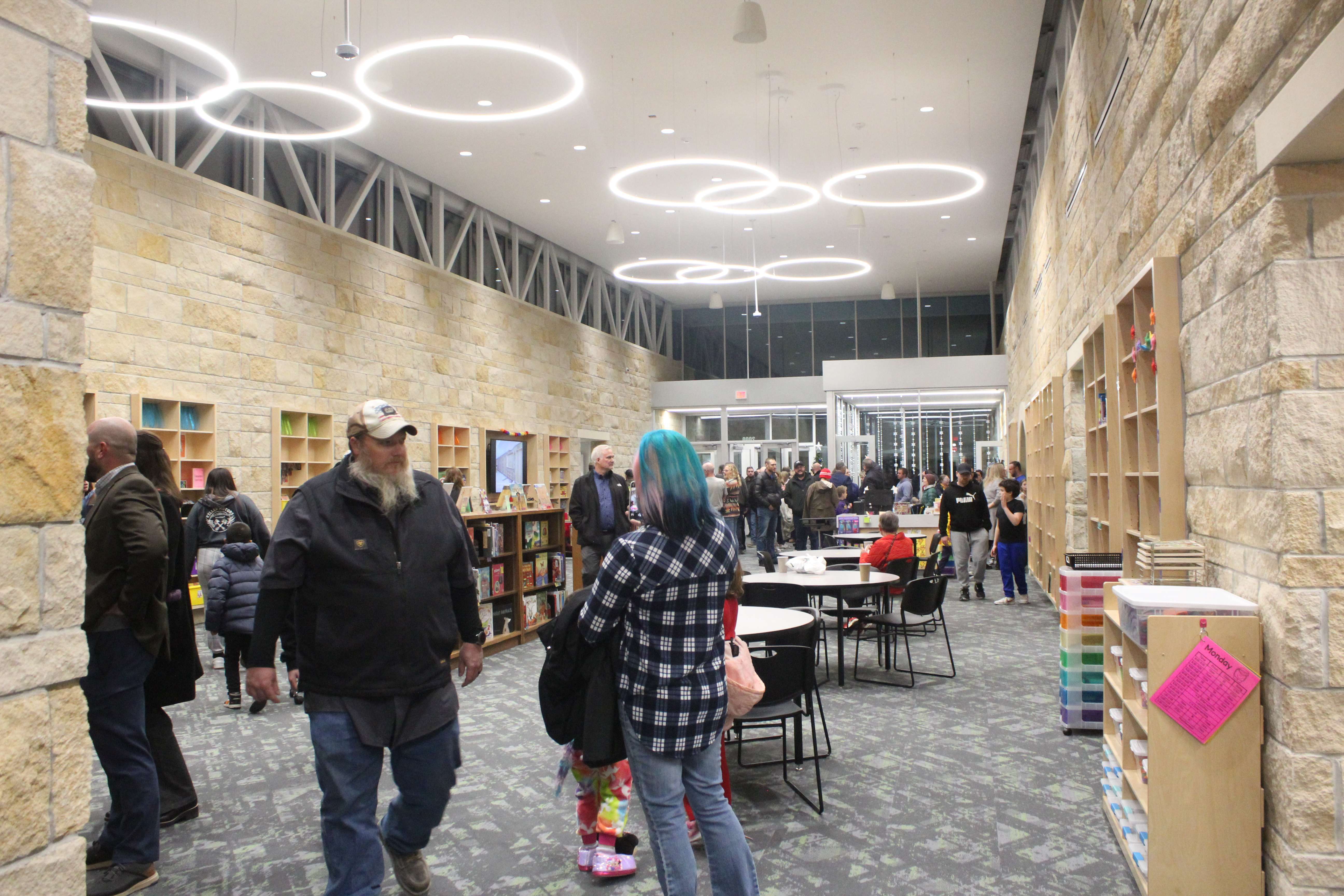
“In Felten, just the other day, I was there, and there was a little collaborative group that went into one of those little spaces and was a small group, and they were just working, and they would have been in the hallway.
“They were in a great environment, a learning environment, and there were no distractions because people were walking down the hallway.”
He also praised the new performing arts center and the athletic fields at Hays High School.
“If you're in our buildings every day, you will see a lot of reasons why this was the best thing ever for kids and our staff and the community because they're really going to benefit from this for a long, long time,” Wilson said.
He said the bond-funded projects have allowed the district and the city to stand out. He said that really helped the district sell the bond issue to the voters.
“Why it worked is we really sold this as an investment for our community for Hays, because that's what we said. We have to compete. We can't just stand on our laurels and think that because we're Hays, they're going to come find us. If we don't improve, we're going to get behind. That was a community movement.”
Wilson was named the Hays superintendent in 2019. He has spent most of his tenure working on the bond and the construction projects it funded.
“I got to be a part of it,” Wilson said. “I mean, it wasn't just me. It was so many people that were involved in this, and it just has been phenomenal.”