


Monarchs glide like tiny flickers of fire in the sky. They need to conserve energy for their up-to-3,000-mile fall migration to the fir forests of central Mexico.
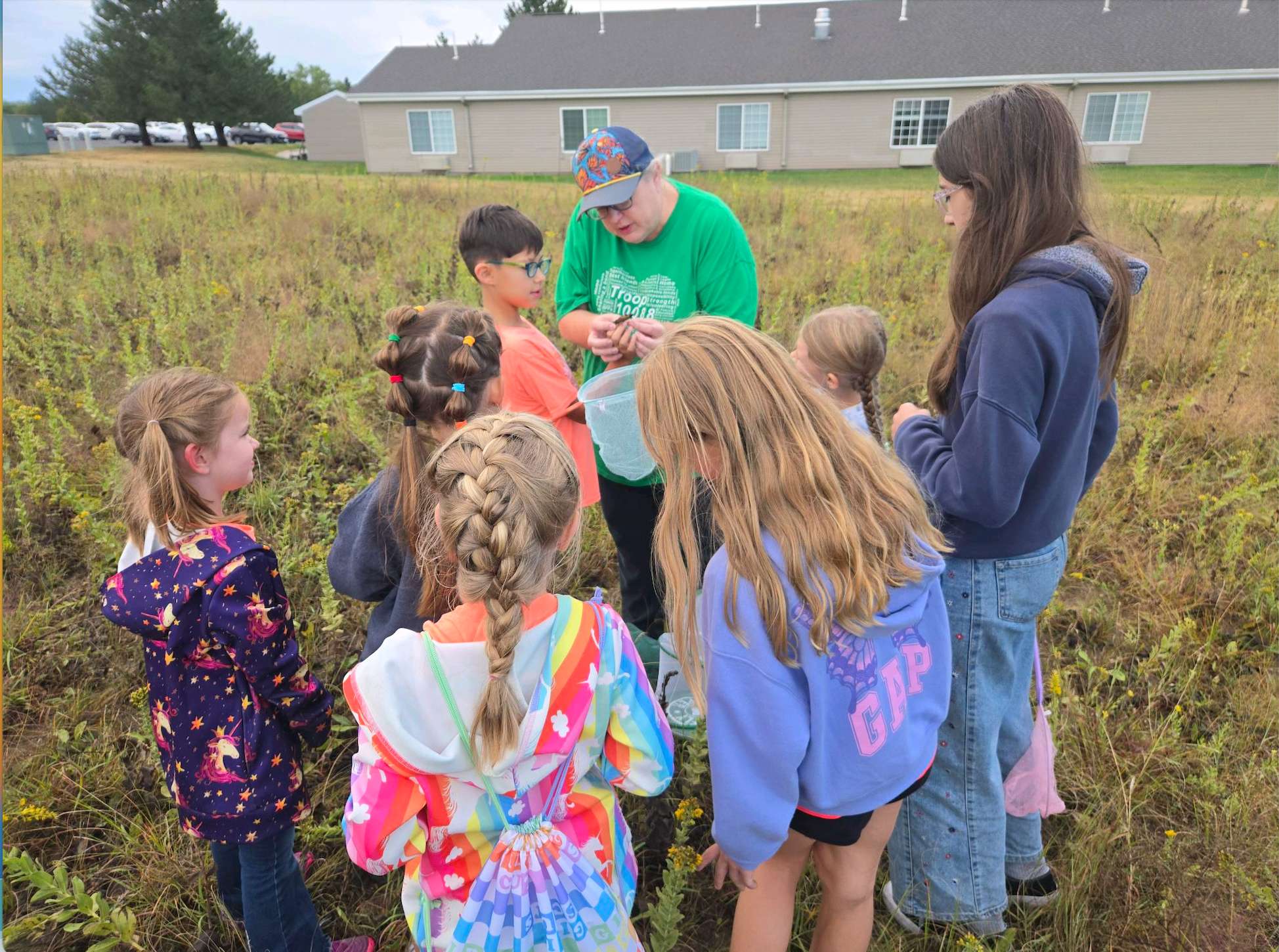
To catch one, you have to wait until it lands, step lightly, swish, and then twist to trap it in a net.
This weekend, I tagged monarchs with Girl Scouts at the Sternberg Museum of Natural History. Our local Girl Scout service unit hosted Girl Scouts from as far away as Wichita for a Magical Monarch event.
Watch this video of a monarch butterfly release
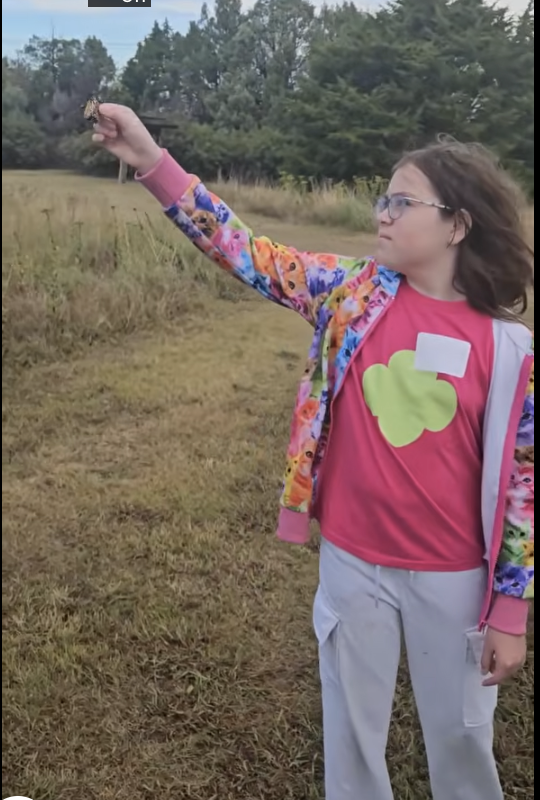
Tagging involves very carefully placing a sticker the size of a pencil eraser on the butterflies' wings. If observers find butterflies anywhere in their migration, they are asked to report the tag number to Monarch Watch of The University of Kansas in Lawrence, which helps scientists better track and understand the monarch’s migration patterns.
I am often asked if the stickers affect the butterflies’ ability to fly. It does not.
Some of the girls were a little afraid of the butterflies at first. They are insects, after all.
However, I explained they do not bite or sting, maybe just a little tickle on the skin from their feet. They were smiling and giggling after that.

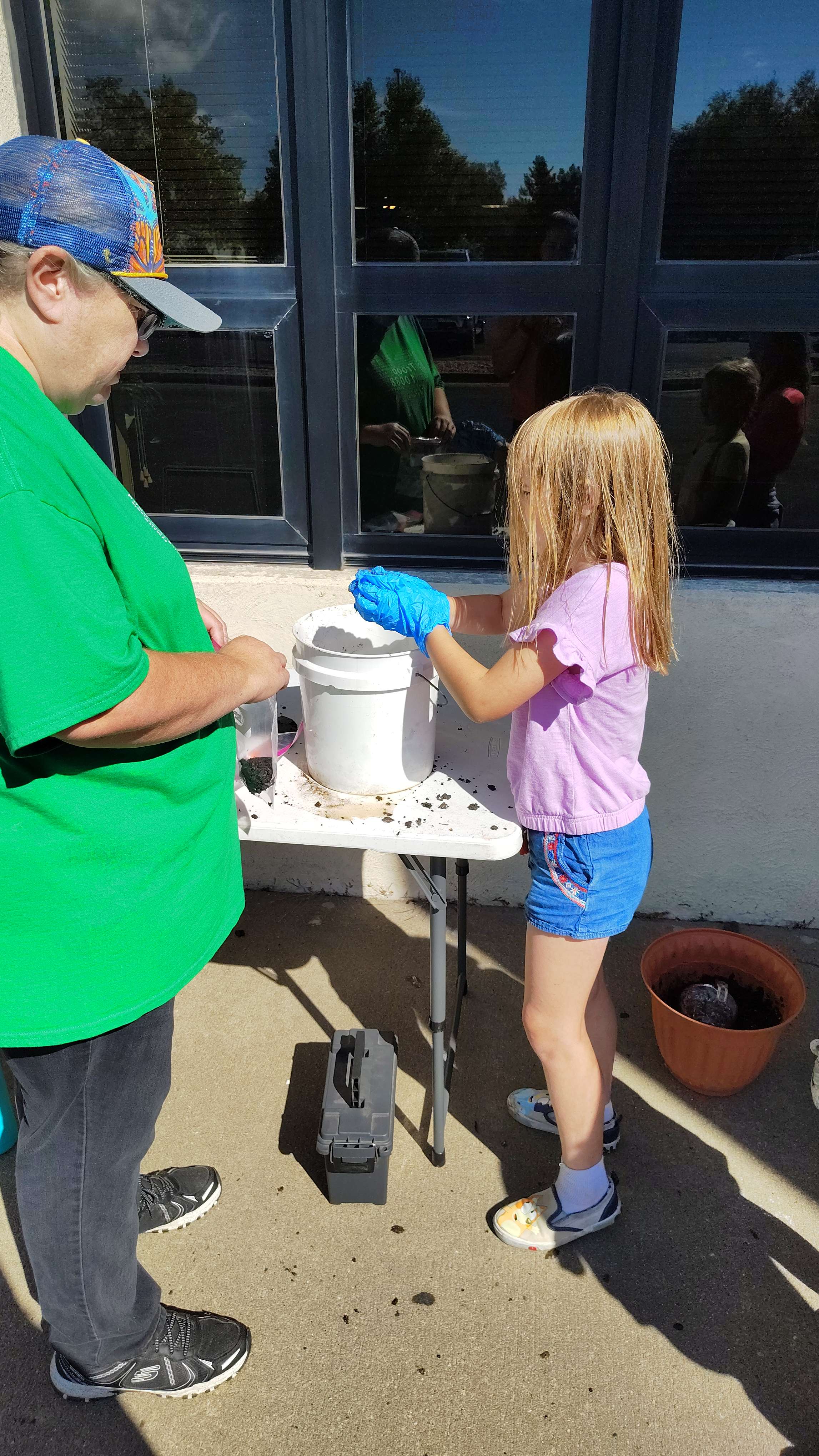
The Girl Scouts also learned about the scientific method, the life cycle of butterflies and made seed balls that contained wildflower and milkweed seeds to produce food for monarchs in their own yards.
They also participated in a new project through this year's event, in partnership with an international organization, Joint Ventures, to do a virtual migration.
The monarch migration is unique to North America. No other butterfly species makes this journey on this continent.
They can navigate even though they don’t have a brain as we know it. They fly 3,000 miles without ever being shown the way.
Scientists, including those in Lawrence, have been trying to figure out how the butterflies can do this, and it is still somewhat of a mystery. Scientists have even sent monarch butterflies into space to help understand how the experience affected their orientation.
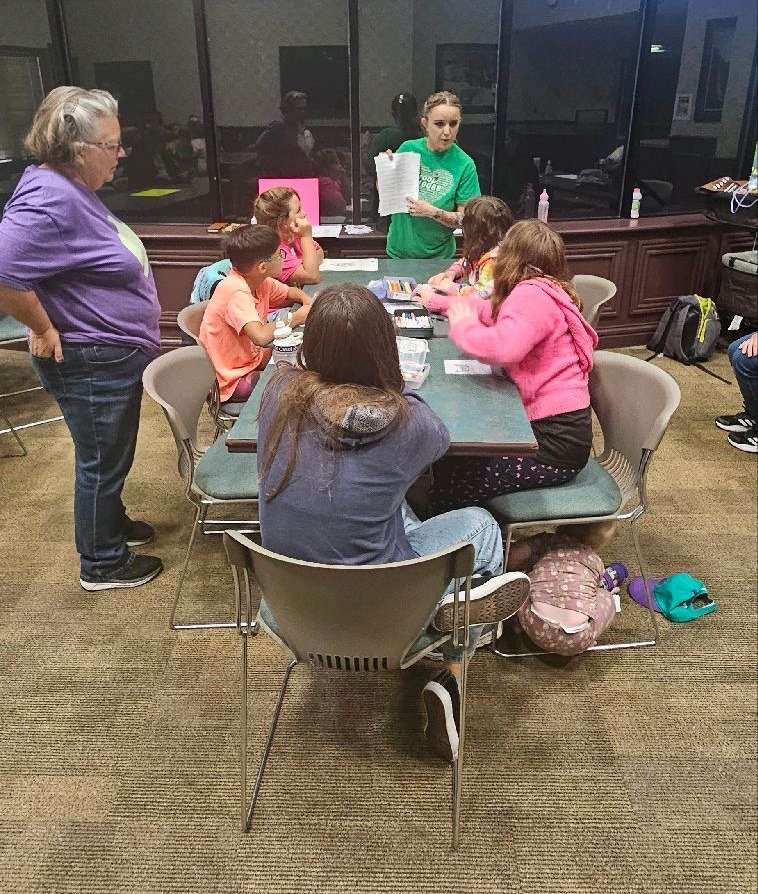
The Girl Scouts decorated paper butterflies and wrote messages in Spanish to send to students in Mexico as part of the virtual migration.
The Girl Scouts earned citizen scientist badges as part of this event. However, my goal is something larger.
My goal is to encourage education about the plight of the monarch butterfly and conservation of its habitats in the United States and Mexico.
These tiny wonders of nature are under threat.
Pesticides and herbicides poison monarchs, other butterflies, and what they eat.
The prevalent use of Roundup on crops has been especially devastating to the monarchs.
Mowing practices can be just as devastating.
Corridors along highways, such as Interstate 70, are awash in milkweed and other native nectar-rich wildflowers that feed butterflies.
However, if those oases are mowed before the migration comes through in the fall, it destroys the food and even kills caterpillars or chrysalises of unemerged adults.
Americans can promote butterfly-friendly farming practices, encourage our public works departments to delay mowing, and plant Butterfly Way Stations, but if we don't conserve overwintering habitat in Mexico, all is lost.
Mexico has worked to promote monarchs as a natural resource and discourage logging that destroys the butterflies’ winter habitat. We hope the Joint Venture project will encourage a new generation of conservationists.
The butterfly population is measured in hectares. Last year, the number of hectares measured almost doubled to 2.93 hectares (7.24 acres).
However, the population is still a fraction of what it was years ago. The modern-measured peak of 18 hectares was in 1995.
In my 20s, I can remember monarch butterflies filling the sky. They covered trees. They made driving difficult during the migration because they were so thick in the air.
No more.
Can you imagine a summer without monarchs in Kansas?
Although monarchs likely will not become extinct anytime soon, their migration is in serious danger.
Last weekend was the third time our local Girl Scout service unit has sponsored the Magical Monarch event. The group has hosted similar, smaller events before those. I hope to keep volunteering and spread the word about monarchs, our precious natural resource.
But the species needs your help too. Encourage conservation practices. Plant milkweed and other native wildflowers in your yard. They're great in Hays gardens because milkweed and native wildflowers are drought-resistant.
Education and action are key to preserving monarchs.
So strong, yet so fragile. The monarch’s fate is in our hands.
Cristina Janney is the editor of the Hays Post and has been a Girl Scout volunteer for for more than 15 years.