


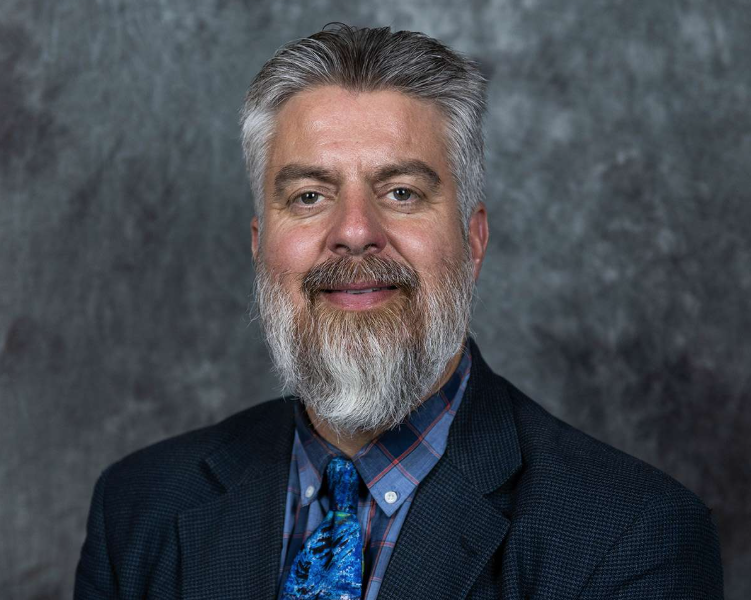
By RUSSELL ARBEN FOX
Insight Kansas
Every election year there are uncontested offices, so that the incumbent office-holders automatically win. While that sometimes occurs for federal positions, it is most consequential in state legislatures, where crucial policies are decided in elections that are often ignored, because the outcome is already assumed (and which thus becomes self-fulfilling).
Of course, the first person that any potential candidate must motivate is themselves; if they have no interest in facing the possibility of local polarization and gerrymandered districts to challenge an entrenched state incumbent, it’s unlikely anyone else will be able to convince them to do so. Still, despite all those challenges, Kansas Democrats concerned about the Republican supermajority in Topeka might want to give the electoral landscape this year a second look.
Kansas ranks high out of the 50 states when it comes to uncontested elections; in the 2024 cycle, 57 of Kansas’s 165 seats in the state legislature—or 34%--were won automatically by a single candidate. That puts Kansas in the top ten for states with uncontested seats (Texas holds the number one spot, with over 50% of its state legislators having won automatically). Two-thirds of those seats—at total of 36—were won by Republicans. There are nearly twice as many registered Republicans in Kansas as Democrats; consequently, it’s easy to attribute these uncontested races to rural districts where Republicans greatly predominate, making the defeat of Democratic candidates in those areas a near guarantee. That is often the case—but not always.
Sometimes potential candidates are tempted to look past state matters and follow the national narrative—and the national funding groups—to focus on Washington DC. Similarly, a Kansas Democrat considering a run for office might be tempted to look past their neighborhood’s Republican-voting history, and think in terms of a state-wide race, where Democrat-heavy communities in northeastern Kansas might provide the votes they need.
Consider the ten candidates for the Democratic nomination to challenge Senator Roger Marshall this November, a seat that Democrats haven’t won in nearly a century. Their level of civic commitment is impressive—but hypothetically, are there other places they might have tossed their hats into the ring?
Some of these—Anne Parelkar of Overland Park, Michael Soetart of Wellington, and Noah Taylor of Kechi—live in state house and senate districts with a history of contested races, though the outcomes are often predictable. Others—like Jason Hart of Wichita and Erik Murray of Kansas City—live in districts that are strongly Democratic, making it reasonable they look elsewhere. But then there are candidates like Christy Davis of Cottonwoord Falls, whose Republican state representatives and senators haven’t been challenged in multiple cycles.
Or consider the five people who have declared for the Democratic nomination to run against Representative Ron Estes in the Fourth Congressional District, where a Democrat hasn’t won in 30 years. Some, like Katy Tyndell of Wichita, live in state districts with a history of at least relatively competitive electoral contests. But others, like Chris Carmichael of Andover, live in districts where the Democratic party is otherwise moribund. (His state house representative, Republican Kristey Williams, hasn’t faced a single Democratic opponent in all her six terms in office.)
Citizens who care enough to run for political office base their decisions on any number of variables, so I’m not here to criticize any of these Democrats’ choices. But still, some reflection by those opposed to the direction of both the state and the national Republican party may be in order. Remember that there are windmills to tilt against in Topeka as well as Washington DC, after all.
Dr. Russell Arben Fox teaches politics at Friends University in Wichita, KS