


By ALIN HETT and TONY GUERRERO
Hays Post
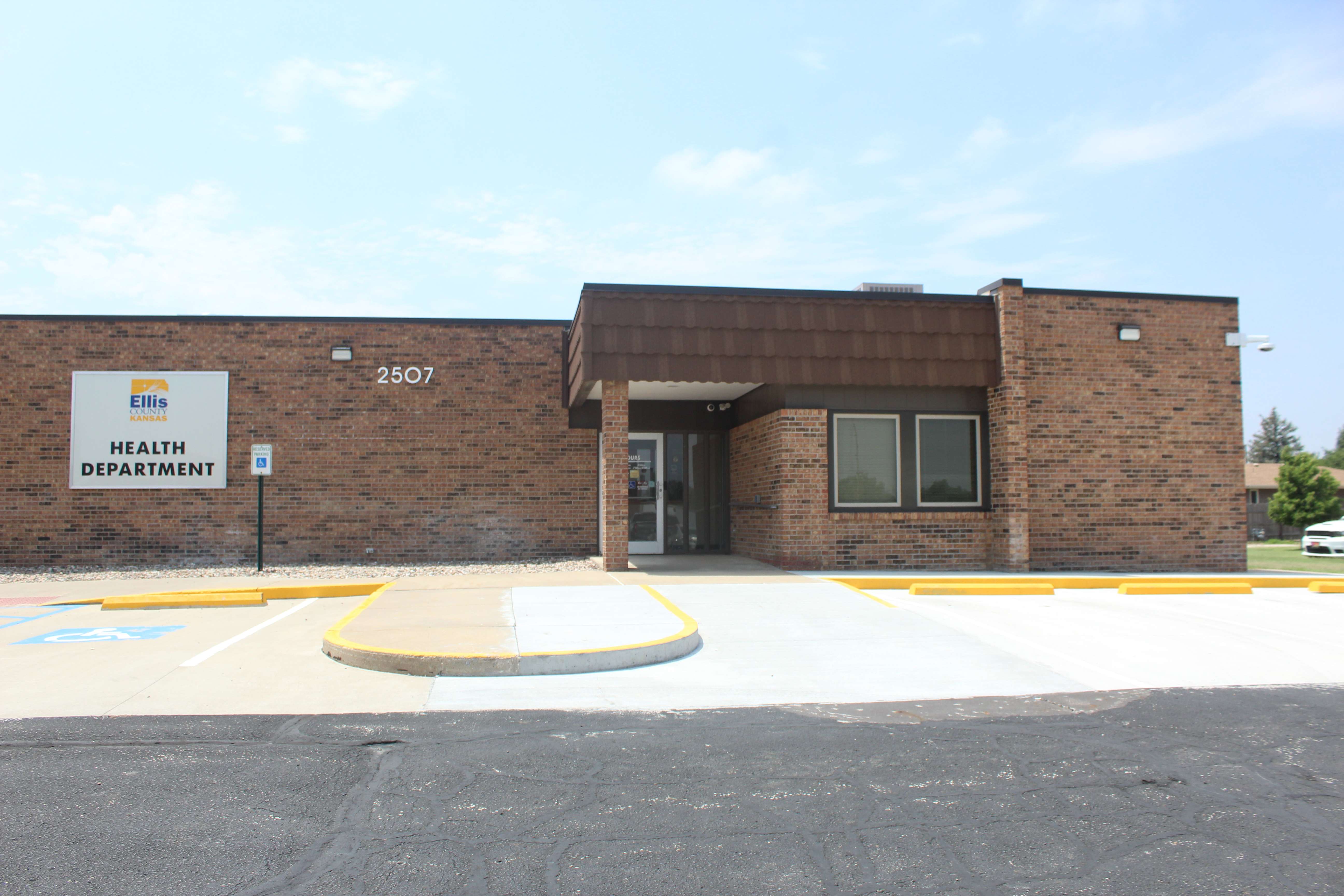
Ellis County health officials say a proposed regional health initiative focused on chronic disease prevention could help rural Kansas residents avoid preventable hospital visits.
During a recent Ellis County Commission meeting, county officials provided an update on the Kansas Regional Chronic Disease Intelligence and Action Pilot Program grant submission, a state-supported initiative aimed at improving chronic disease prevention and management in rural communities.
The grant opportunity, offered through the Kansas Department of Health and Environment, as well as Wichita State University’s Community Engagement Institute, would support health departments in working together to identify shared health challenges and coordinate regional responses.
According to meeting documents, the project would encourage the use of shared data tools, evidence-based public health strategies and regional coordination efforts intended to reduce avoidable hospitalizations tied to chronic disease.
Ellis County Health Director Melissa Miller said the effort grew out of a broader federal push to rethink rural health-care delivery and reduce the strain on emergency rooms and hospitals.
“The federal government started looking into rural health transformation,” Miller said in an interview on KAYS' The Morning Blend. “They wanted to figure out a way to stop those frequent hospital visits and ER visits, because services are few and far between out here, especially in rural communities.”
Miller said the process has already encouraged new regional conversations among hospitals, clinics and neighboring counties that do not always work closely together.
“Health care can get kind of siloed,” she said. “This allowed us to talk with some of the counties around us and see what needs they have.”
The proposed program would position Ellis County as a regional public health hub capable of connecting smaller communities with health care resources and preventative services that might otherwise be difficult to access.
The focus would center largely on chronic disease management, including diabetes care, blood pressure monitoring and preventative services aimed at catching health problems before they become emergencies.
“I think rural Kansans are hardy people, and they tend to kind of push it with their health and not pay attention to those little warning signs,” Miller said with a smile. “If we could do public health education and make people aware of those warning signs, that would be ideal.”
Meeting documents state the program is intended to improve communication and shared learning between public health agencies, health care organizations and community groups throughout rural Kansas. County officials described the project as a potential long-term investment opportunity for regions able to organize early around collaborative health-care models.
Documents further described the initiative as a temporary, grant-funded pilot program that would let the county explore a new strategy without requiring a long-term commitment of local funding. It also noted regions that begin organizing sooner are expected to have an advantage in securing future funding opportunities, partnerships and health-care investments.
Miller said collaboration is especially important in western Kansas, where residents in smaller communities often travel significant distances for medical care.
“If you needed any care, you were probably going to get flown to Hays,” she said. “The sooner that we can get people aware of their health and working together, I think the better.”
Grant award announcements were originally expected by May 15, but Miller said the timeline has since been delayed until later this month. Even if Ellis County is not selected for funding, Miller said the partnerships and discussions created during the application process are expected to continue.
"Our hope is that we receive the grant and that will start the ball rolling with all the next steps," Miller said. "If we weren't to get the grants, we've got some really good conversations going with HaysMed and First Care Clinic. How can we as public health be more eyes on the ground, eyes in the home, those kind of things. We’re always thinking about ways that we can fill in any gaps that happen to be there."
Along with the grant and new partnerships, the Ellis County Health Department is gearing up for a busy summer with two family-friendly events focused on safety, wellness and community connection.
Upcoming events
First up is Picnic in the Park from 11 a.m. to 2 p.m. Saturday, May 23 at the ARC Park. Health Department staff will host a booth featuring giveaways and free bike helmet fit checks for children of all ages. Families are encouraged to bring helmets from home so staff can ensure they fit properly before summer riding season begins.
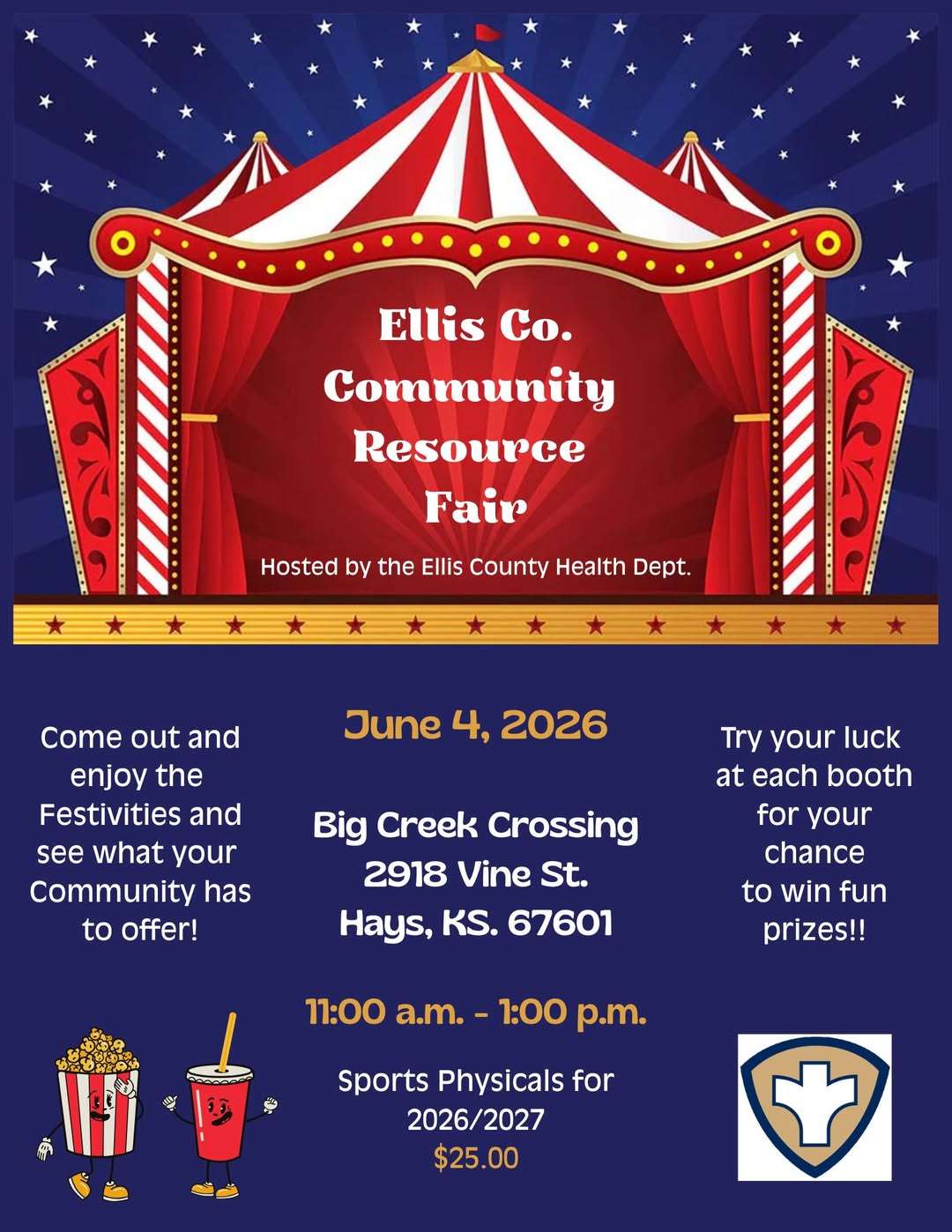
On June 4, the department will host its annual Community Resource Fair at the mall. The event brings together local organizations and services while creating a fun, carnival-style atmosphere for families. Miller said kids can enjoy games and prizes at each booth, while parents can participate in a bingo card activity for a chance to win a grand prize.
The Resource Fair will also include free bike helmets and on-site school physicals for students.
Earlier this month, the Health Department also participated in the Kansas Science Festival at the public library, where staff used interactive trivia games to teach children about the role of public health. One featured topic highlighted Kansas public health pioneer Dr. Samuel Krumbine, known for campaigns promoting hygiene and disease prevention.
“For any of you history buffs, he's a great person to look up,” Miller said. “He's one of the leading figures in public health in the early 20th century. He had lots of healthy campaigns, and they were just things that he had noticed.”
Miller also said simple hygiene habits and preventative care still remain as some of the most important tools for keeping families healthy throughout the year.