


By KAREN MADORIN
Often times, unless someone records warriors into history or literature, names and details are lost.
Shortly after the Civil War, authorities named Kansas counties after Union soldiers--thus preserving stories of sons, brothers, husbands, and fathers.
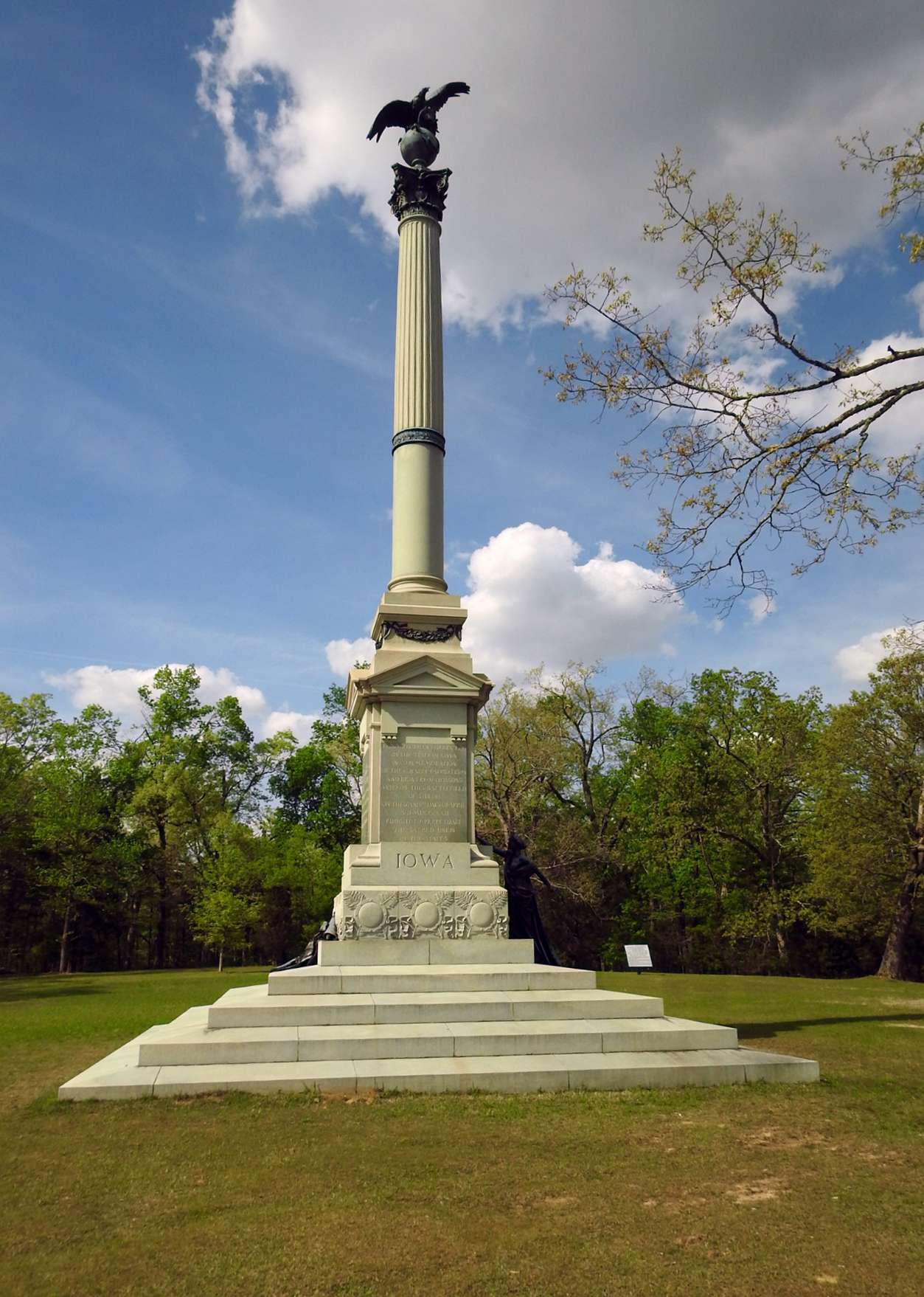
Recently, before a bus tour to Chickamauga, Corinth, Shiloh, and Wilson Creek Battlefields, I read Leo Oliva’s Kansas Fort series. His Fort Wallace history mentioned Wallace County and Fort Wallace commemorated Brigadier General WHL Wallace, fatally wounded at the Battle of Shiloh. That led to a search for Trego County’s namesake, Captain Edgar Trego who died at Chickamauga.
After visiting these memorials, I researched further.
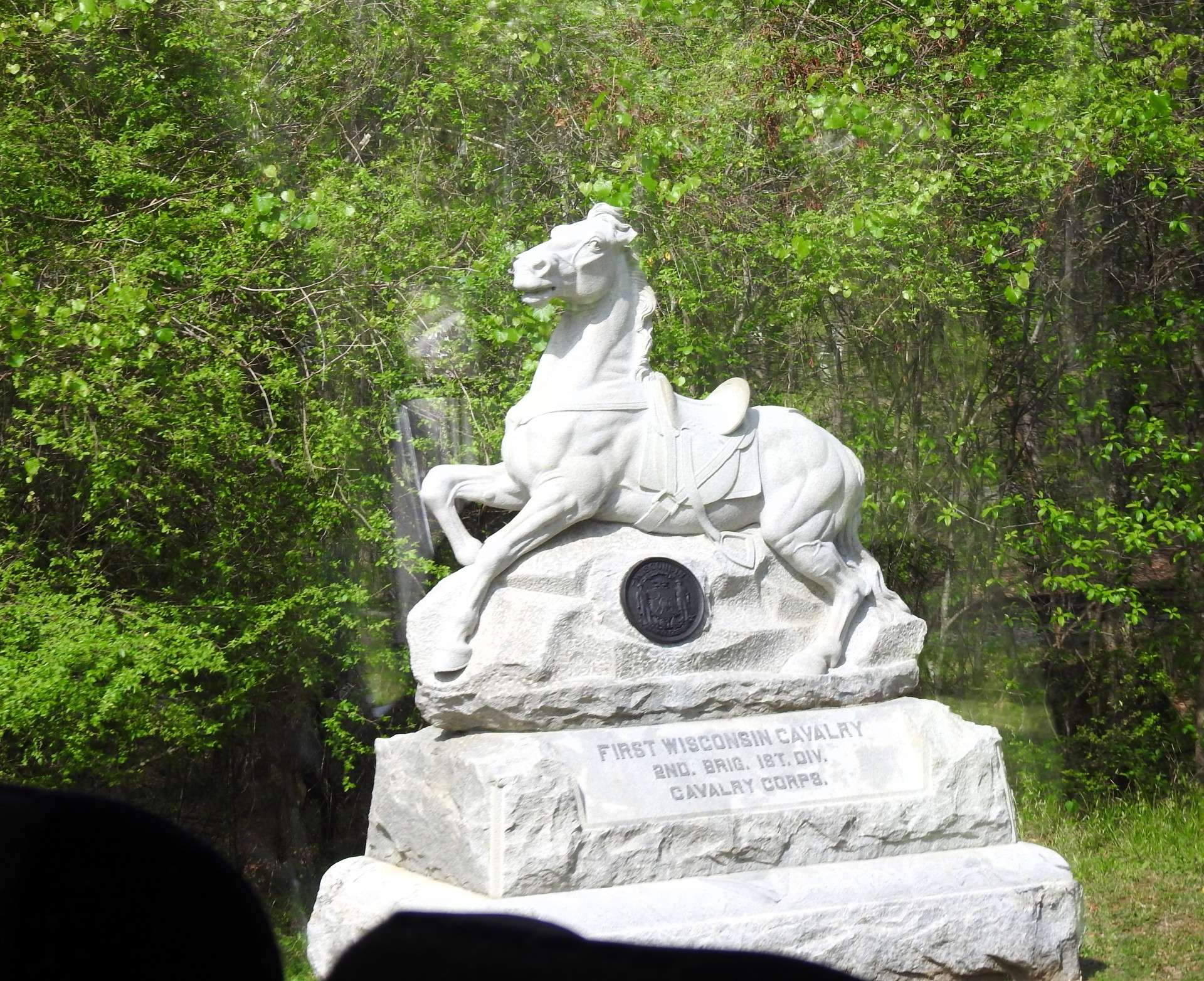
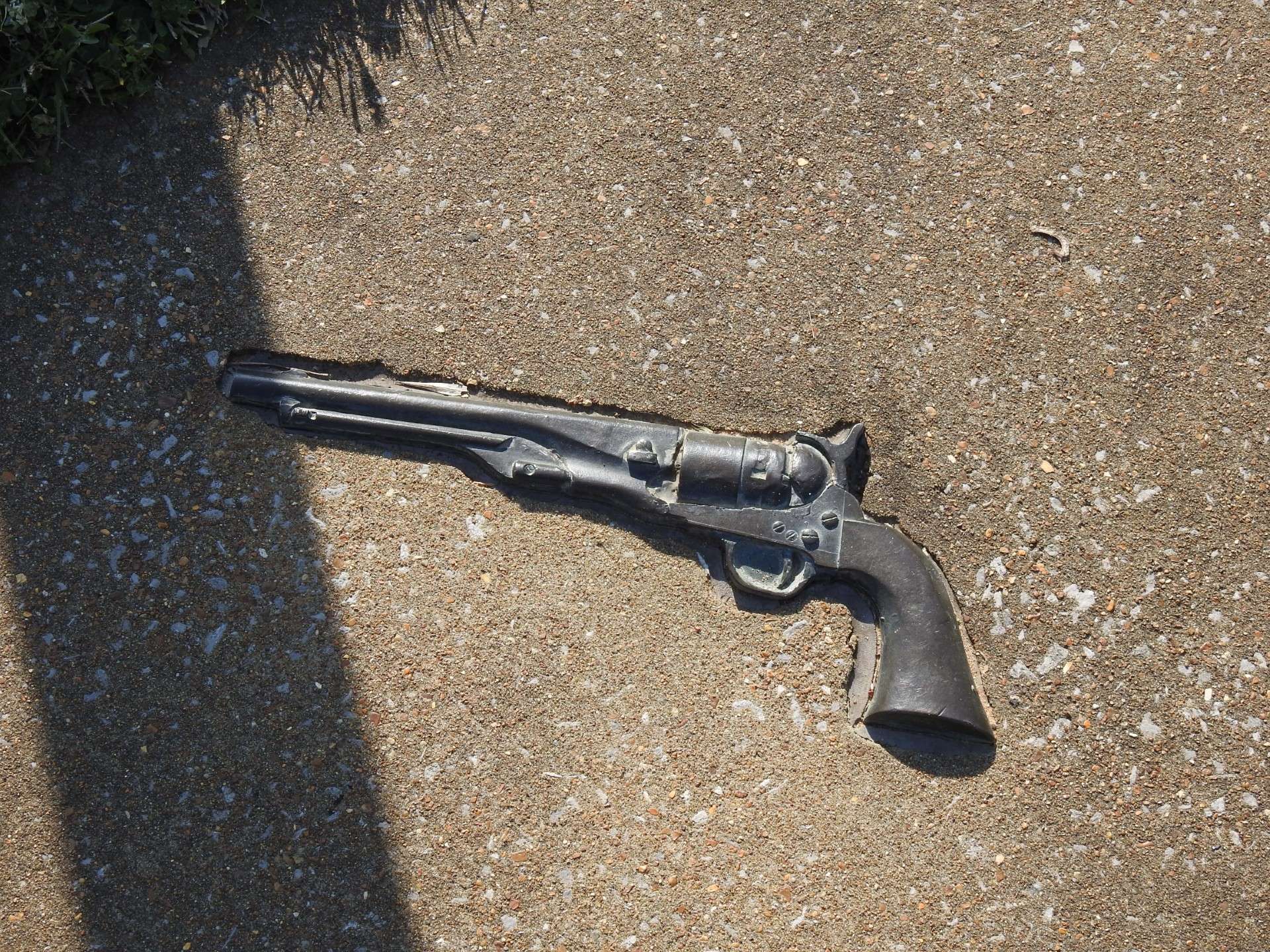
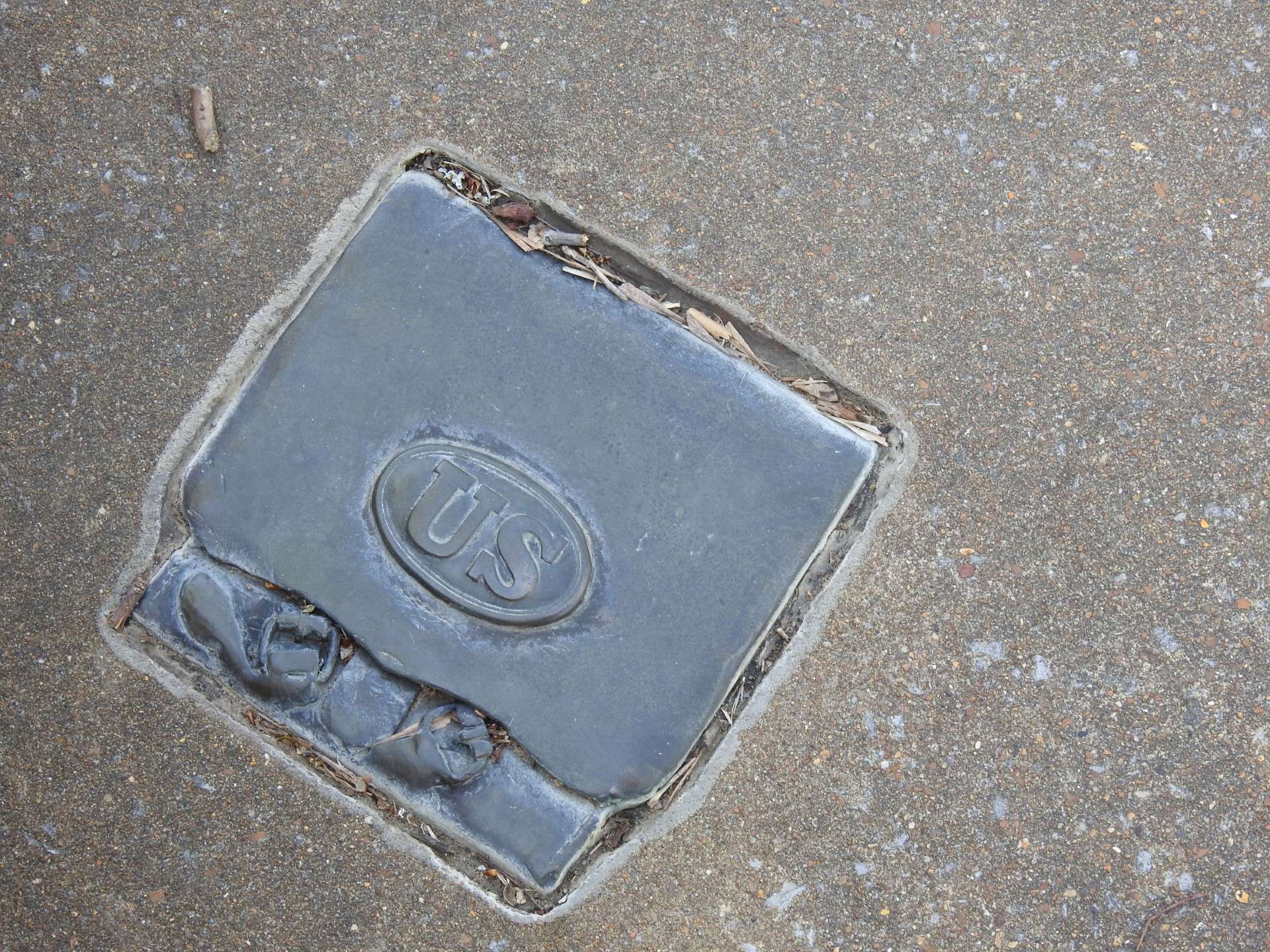
While investigating Trego of the Kansas 8th Volunteers, Company H, I learned a Confederate sniper shot him on September 19, 1863, as he moved a wounded soldier from the battlefield. Coincidentally, he’s buried at the national military cemetery in Chattanooga under an oak tree next to Graham County’s namesake, Captain John L. Graham, who served in the Kansas 8th Volunteers, Company D. Graham died on the same date.
George Ellis, 1st Lieutenant in the 12th Kansas Infantry Company I, inspired the title of Ellis County. His command patrolled the Kansas/Missouri border. On May 1, 1864, he perished at the Battle of Jenkins Ferry.
Rooks County venerates the only enlisted man--John Rooks, 11th Kansas Cavalry, Company I. He fell in Arkansas’ battle of Prairie Grove.
Rush County is named after Alexander Rush, Captain of Company H of the 2nd Kansas Colored Infantry. He died at the Battle of Jenkins Ferry in Arkansas on April 30, 1864, the only officer killed of 71 men who died during that fight. His troops valiantly charged and took control of the battery. According to surviving officers, “Not a soldier faltered.”
Namesake of Phillips County, Colonel William A. Phillips of the 3rd Indian Home Guard led Cherokee troops. He survived the Civil War to see a county named after him. During his lifetime, he’s known for founding Salina, serving as the first justice of the Kansas Supreme Court under the Leavenworth Constitution, and serving in the House of Representatives.
Norton County honors Captain Orloff Norton who fought with the 1st Kansas Militia Regular Infantry, Company L. He died November 11 at Cane Hill, Arkansas, after guerillas captured him and another officer. Expecting to be held prisoner, their captors instead hanged them from a tree, leaving their bodies for their unit to find.
Our stop at Wilson Creek Battlefield in Missouri introduced Nathaniel Lyon, the first Union General killed in the Civil War. He died rallying Union troops heavily outnumbered by Confederate forces. According to sources, Lyon’s efforts helped prevent the state of Missouri from joining the Confederacy.
Fort Wallace and Wallace County memorialize Brigadier General WHL Wallace of the Illinois 11th Infantry’s legacy. Shiloh Interpretive Center and Battlefield Tour detail his contribution to that battle. In the midst of heavy fighting, his troops repelled Confederate assaults for more than six hours at what became known as the Hornet’s Nest. During battle, he was shot in the head. His wife, not knowing of the impending conflict, arrived that morning and found him in the hospital. He died in her arms three days later.
These men’s names represent only a few Kansas counties honoring Union soldiers. Their stories offer windows into varied war experiences with distinctly American details. Thank goodness, those charged with naming Kansas counties preserved historic ties to link future generations to these men’s sacrifices.
Karen Madorin is a retired teacher, writer, photographer, outdoors lover, and sixth-generation Kansan.