


By KAREN MADORIN
Daily temperatures may occasionally brush the century mark during the next weeks, but soon they’ll drop to tolerable levels that allow comfortable porch sitting and tomatoes setting for a late harvest.
Knowing old Man Winter packed his bags and bought his ticket to Kansas compels me to google long-term weather forecasts, though I’ve learned I can’t rely on these.
To better prepare for changing seasons, I might consider what folk wisdom has to say.
Since the August calendar still has days remaining, I’m inviting folks to join an experiment to check the accuracy of old-timers offering this maxim, “Count the number of morning fogs in August to predict upcoming winter snows.” The challenge involves remembering how many foggy mornings you awakened to or drove to work in.
Factoring in questionable success rates of professional forecasters, I figure testing ancestral tried- and maybe not-so-true maxims can’t steer me any further off course than googling long term weather. How many times did I hold off watering because I expected rain this spring and summer only to face one dry day following another.
Keep in mind, generations living before media informed our thinking depended on knowledge people acquired by living off the land. The practical experience of noting weather patterns often allowed families to survive stressful climate events without advance technology.
Despite facing more than one surprise blizzard, flood, or tornado, they learned from them and many overcame difficulty and thrived to pass observations on to the Stickers and their descendants who still live on the plains. Those with abilities to anticipate storms, cold, or heat based on nature’s cues surely have pointers to aid inhabitants now.
Some sayings like one that states residents will count snow totals in inches that match the height of the tallest sunflowers make sense. If a wet summer watered the state flower enough to reach gigantic heights, it’s logical a wet winter with snow accumulations would follow.
I don’t understand weather dynamics enough to explain the correlation between August fogs and winter snows—unless it has to do with humidity patterns. So, readers, please become citizen scientists to test this prediction.
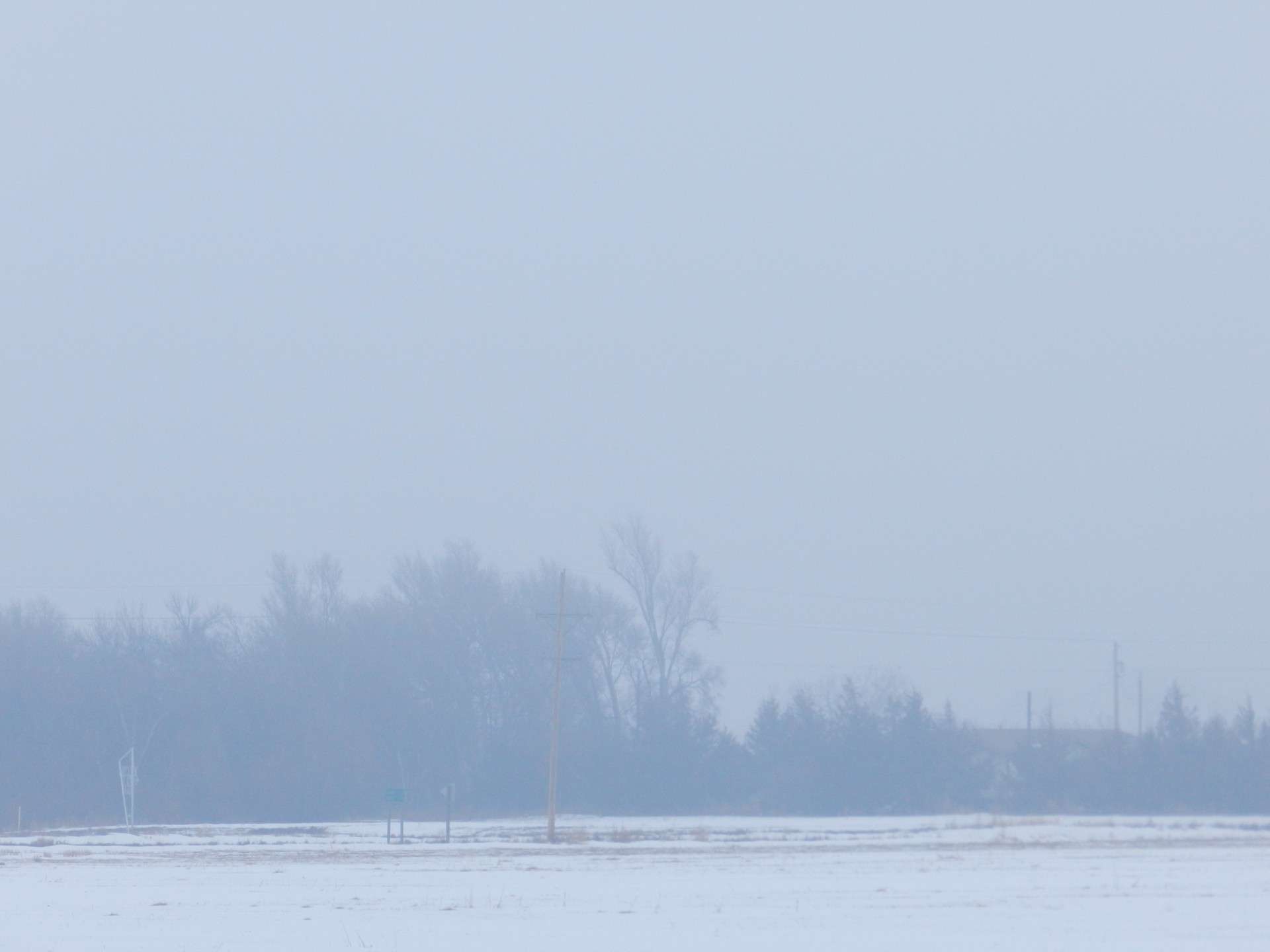
Every year I think I’ll remember how many mornings I awakened to find dense fog hiding the trees, garden, and field behind the house. It’s not too late to recollect those this year. Open a calendar, and X dates that mark hazy starts to August days. This offers everyone participating a record to back up foggy memories.
Don’t count on remembering. Distractions rule, so log permanent notations. Also, for spontaneous tosser-outers like me, place the new calendar over last year’s in order to refer back.
Next May, once snows end for the season, participants who kept track of ground-hugging clouds this August can check one another.
That would offer insights into whether our long-gone relatives knew something the weather forecaster doesn’t or if their words are as empty as August mists that sometimes hide the prairie.
Karen Madorin is a retired teacher, writer, photographer, outdoors lover, and sixth-generation Kansan.