


By KAREN MADORIN
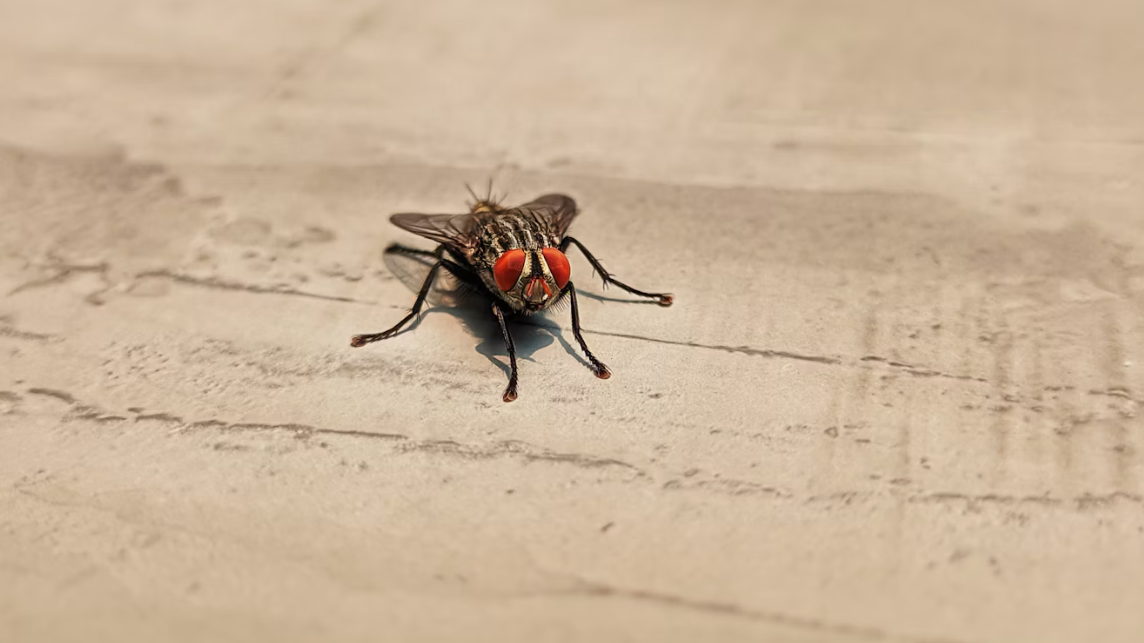
Terminator fans know Arnold Schwarzenegger’s line, “I’ll be back,” by heart. So does every fly in this neighborhood.
In the last month, I’ve said, “Kill that fly,” repeatedly, but saying it and stopping returning flies are different matters, especially when one is mortal with none of the Terminator’s robotic skillset.
You’d think cooler temperatures would slow the pests enough to make it easier to smack them into eternity. Instead, they utilize superior aerodynamic skills to land on walls or ceilings where they watch awkward attempts to flatten peers into black specks.
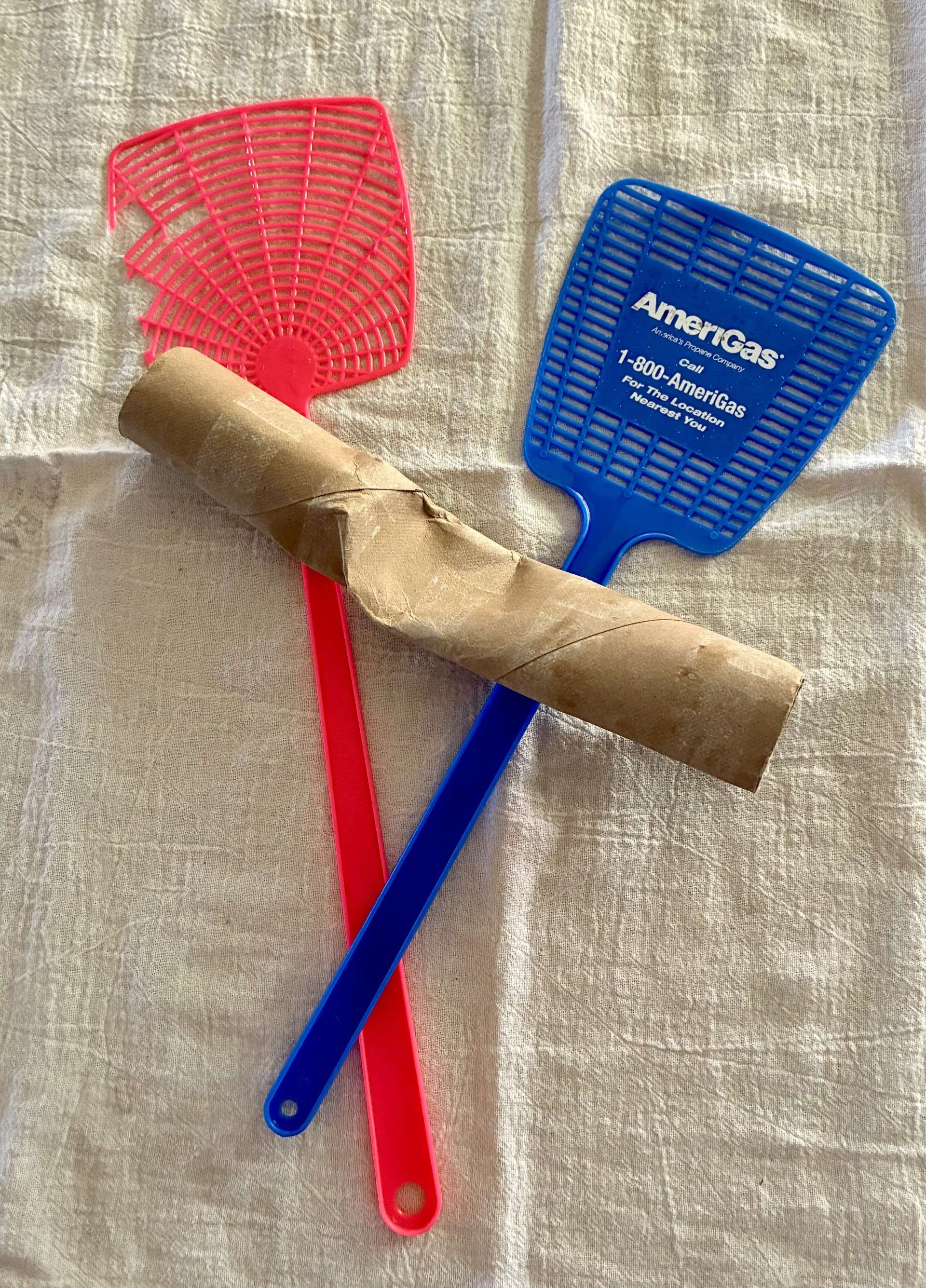
Trophies of rolled magazines, political flyers, empty paper towel tubes, fly swatters collect around indoor and outdoor furnishings. This failed arsenal memorializes attempted assaults on buzzing irritants slinking through screens and doors or those that disrespected human personal boundaries.
Unfortunately, instead of dead insects providing seasonal ambience, crushed paper goods and cheap plastic tools accent every room. Once pristine magazines and newspapers lie about crinkled and rolled. Cylindrical armament flopping in the middle advertises its uselessness.
Most distressing are bruises from open palms slapping to stop insidious invaders. Adding insult to injury are quantities of disinfectant used everywhere flies land to eradicate pepper flake-size slobbers and poopers.
Fortunately, common houseflies don’t live long—about 21 days.
Unfortunately, they reproduce prolifically. Under optimal conditions, a pair of flies and progressive generations spawn nearly 200 quintillion family members during a single reproductive season. Food supplies—typically feces or garbage—initiate breeding behavior in these prolific creatures. Such knowledge inspires obsessive cleaning. Don’t wanna feed them so they can . . . on counters, walls, and tables.
Despite foul food and hygiene habits, these insects are aeronautical wonders, which explains annihilated paper products and bruises.
Research indicates flies flap their two wings only as long as their feet can move freely—hence the success of fly strips. Successful pest whackers understand these guys leap up and backward upon take-off, data that explains why those who know catch more flies than the uninformed.
Scientists, who I suspect grew up successfully trapping and smacking flies, methodically analyze these belligerent creatures’ flight. According to Michael Dickinson of the University of California, Berkley, "Flies are the most accomplished fliers on the planet in terms of aerodynamics. They can do things no other animal can, like land on ceilings or inclined surfaces,'' he added. "And they are especially deft at takeoffs and landings—their skill far exceeds that of any other insect or bird.''
Researchers add that fly eyes, possessing 4,000 lenses, are directly connected to wing muscles. The minute they perceive stimuli, their bodies respond. I suspect some company is creating a futuristic robot with fly-like eyes and flight properties to uncover the secrets of outer space, spy behind enemy lines, or snoop in your house.
After exploring fly aerodynamics, I’ll be more forgiving of my failures to land them in a fly graveyard.
That said, I imagine them buzzing, “I’ll be back,” using Arnold’s accent. I don’t want to trade human qualities for robotic skills, but I’d like to slap fast enough those buggers can’t return.
Karen Madorin is a retired teacher, writer, photographer, outdoors lover and sixth-generation Kansan.