


American Red Cross
TOPEKA — With a cold front expected to hit the region this weekend, the American Red Cross of Greater Kansas urges families to take steps to heat their home safely.
Overall, home fires account for most of the 60,000-plus disasters that the Red Cross responds to each year, and home fire responses go up significantly during cold months. On average, Red Cross Disaster Action Teams in Kansas and Oklahoma responded to a fire every six and a half hours in October. In November, it was every five hours. So far this month, it’s every three and a half hours.
“December, January and February are peak months for home heating fires” said Jane Blocher, executive director of the Red Cross of Greater Kansas. “Help protect your family by taking steps to heat your home safely all winter, like keeping heating equipment at least three feet away from anything that can catch fire, testing your smoke alarms monthly and practicing your two-minute home fire escape plan.”
HOW TO SAFELY HEAT YOUR HOME
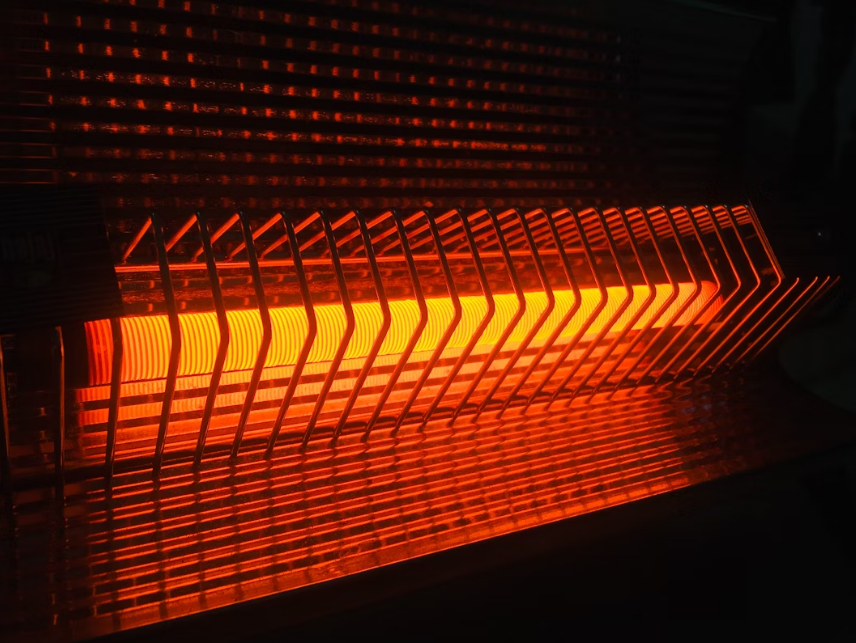
According to the National Fire Protection Association (NFPA), space heaters are most often responsible for home heating fires. Follow these tips on how to safely heat your home:
- If you must use a space heater, never leave it unattended. Place it on a level, hard and nonflammable surface, such as a ceramic tile floor. Don’t place it on rugs and carpets, or near bedding and drapes.
- Plug space heater power cords directly into outlets — never into an extension cord. Turn the space heater off every time you leave the room or go to sleep.
- Keep children, pets and anything that can burn at least three feet away from heating equipment.
- Never use a cooking range or oven to heat your home.
- Never leave a fire burning in the fireplace unattended. Make sure any embers in the fireplace are extinguished before going to bed or leaving home. Use a glass or metal fire screen to keep embers in the fireplace.
- Have furnaces, chimneys, fireplaces, wood and coal stoves inspected annually by a professional and cleaned if necessary.
PREVENT HOME FIRE TRAGEDIES
To help protect your family year-round, test your smoke alarms monthly and practice your home fire escape plan until everyone can escape in less than two minutes — the amount of time you may have to get out of a burning home before it’s too late.
IF YOU NEED HELP
If you cannot afford to purchase smoke alarms or are physically unable to install one, the Red Cross may be able to help. Contact your local Red Cross for help.