


By CRISTINA JANNEY
Hays Post
Community partners are working to raise funds to close a radar gap that affects Hays.
The Hays Community Radar Project is seeking to raise $360,000 to purchase and install a Furuno dual-polarity Doppler weather radar to cover Hays and the surrounding area.
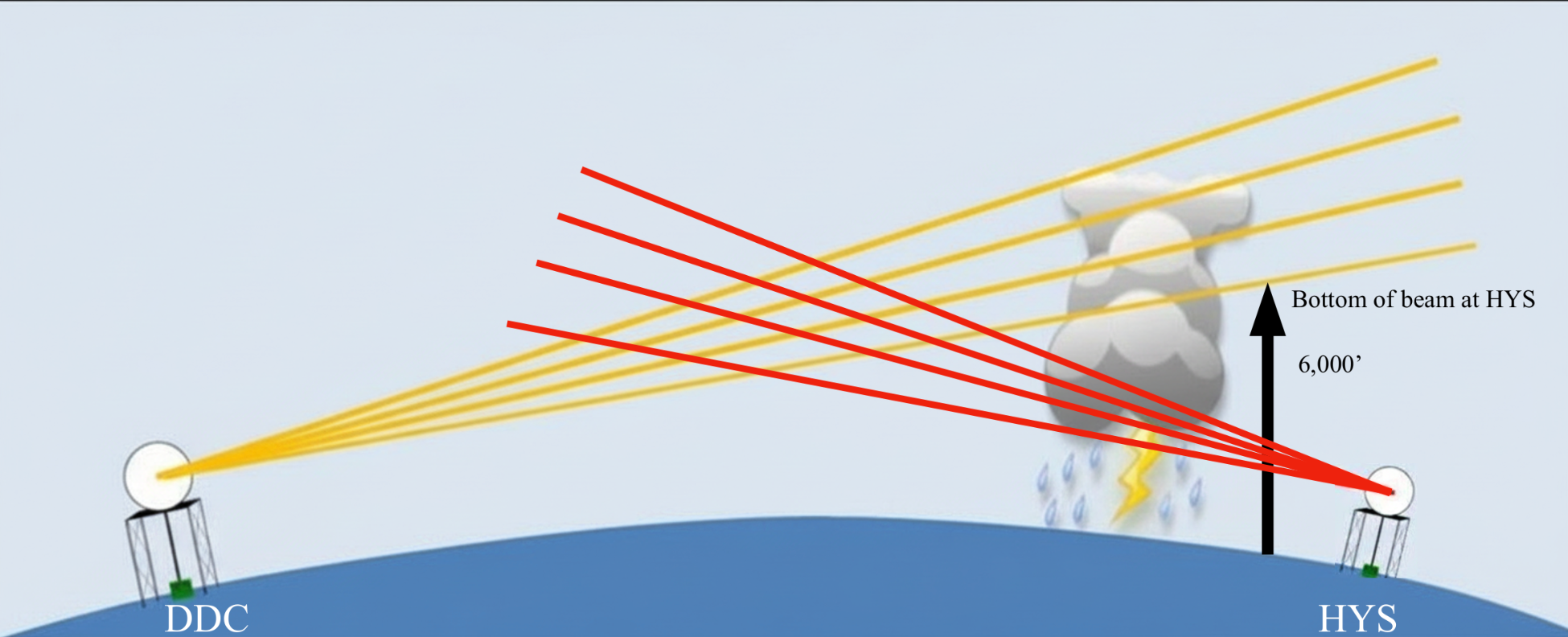
This initiative aims to eliminate a dangerous blind spot in Kansas weather coverage. Because the nearest National Weather Service radar is in Dodge City, the Earth’s natural curvature creates a beam overshoot problem.
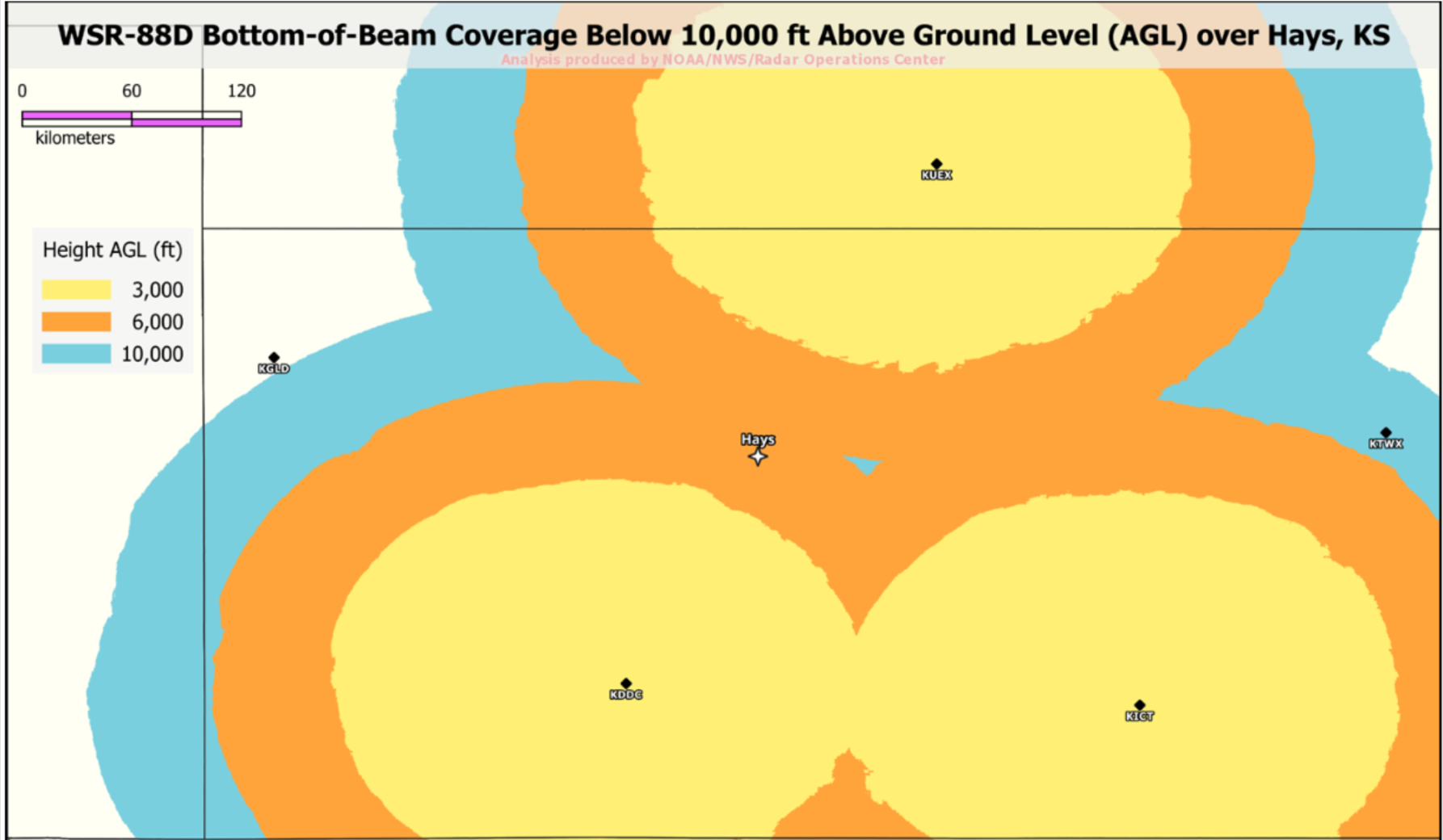
The radar beam from Dodge City travels upward as it moves away from the source. By the time it reaches Hays, the bottom of the beam is at about 6,000 to 7,000 feet.
"Because the NWS beam travels in a straight line, it is over 7,000 feet over our heads in Hays," said Dr. Kendall Krug, a board member at STEM Harvest and a member of the local amateur radio club.
"Most severe weather events, like developing tornadoes, microbursts and low-level wind shear, typically occur below 7,000, and can go completely undetected,"
"This gap isn't just a technicality. It results in delayed warnings that can threaten lives."
Krug said some of the letters of support the project received were from people who had been storm spotters for years. They said they had been watching tornadoes firsthand and had called the weather service in Dodge City. The weather service said there was nothing on radar.
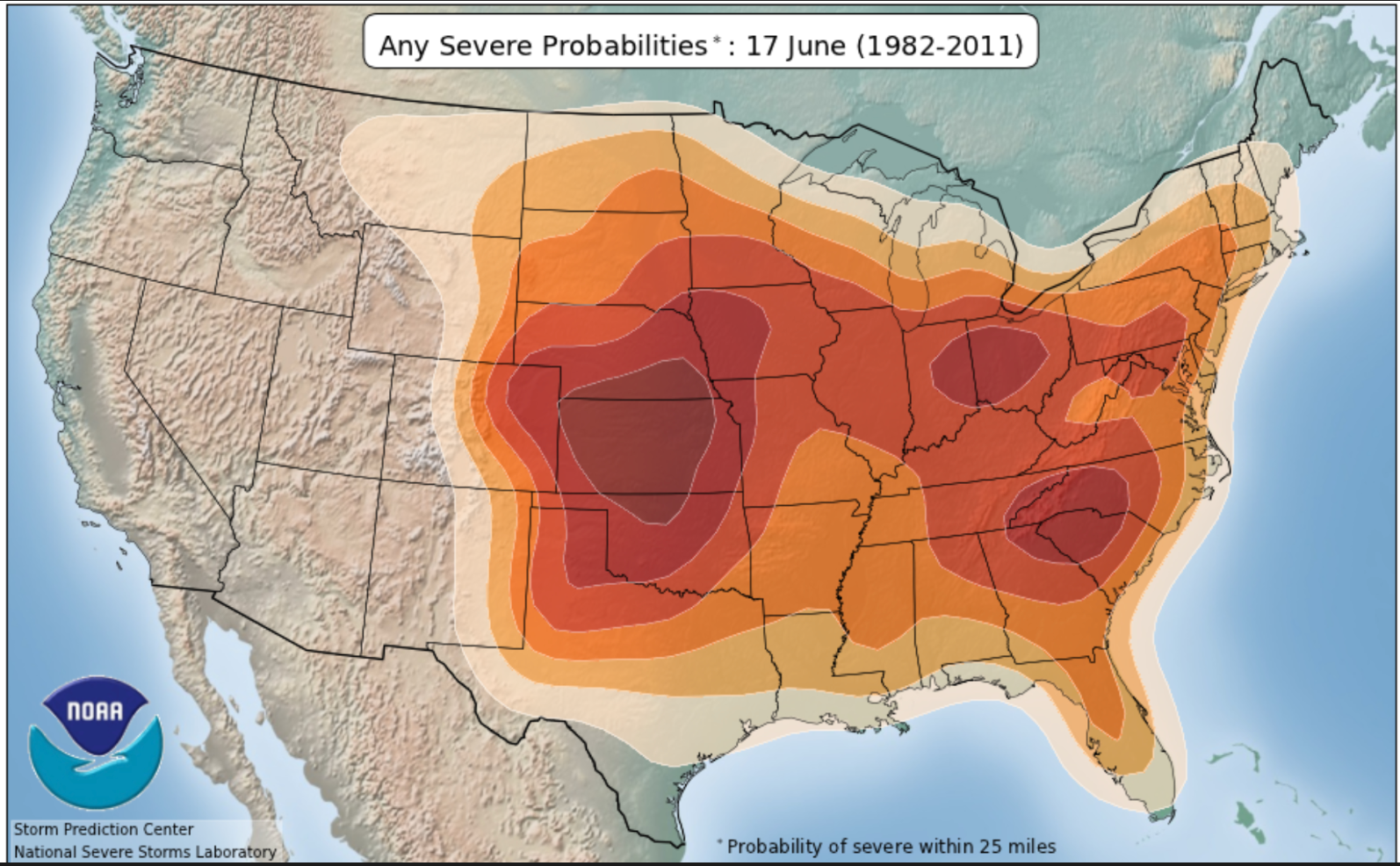
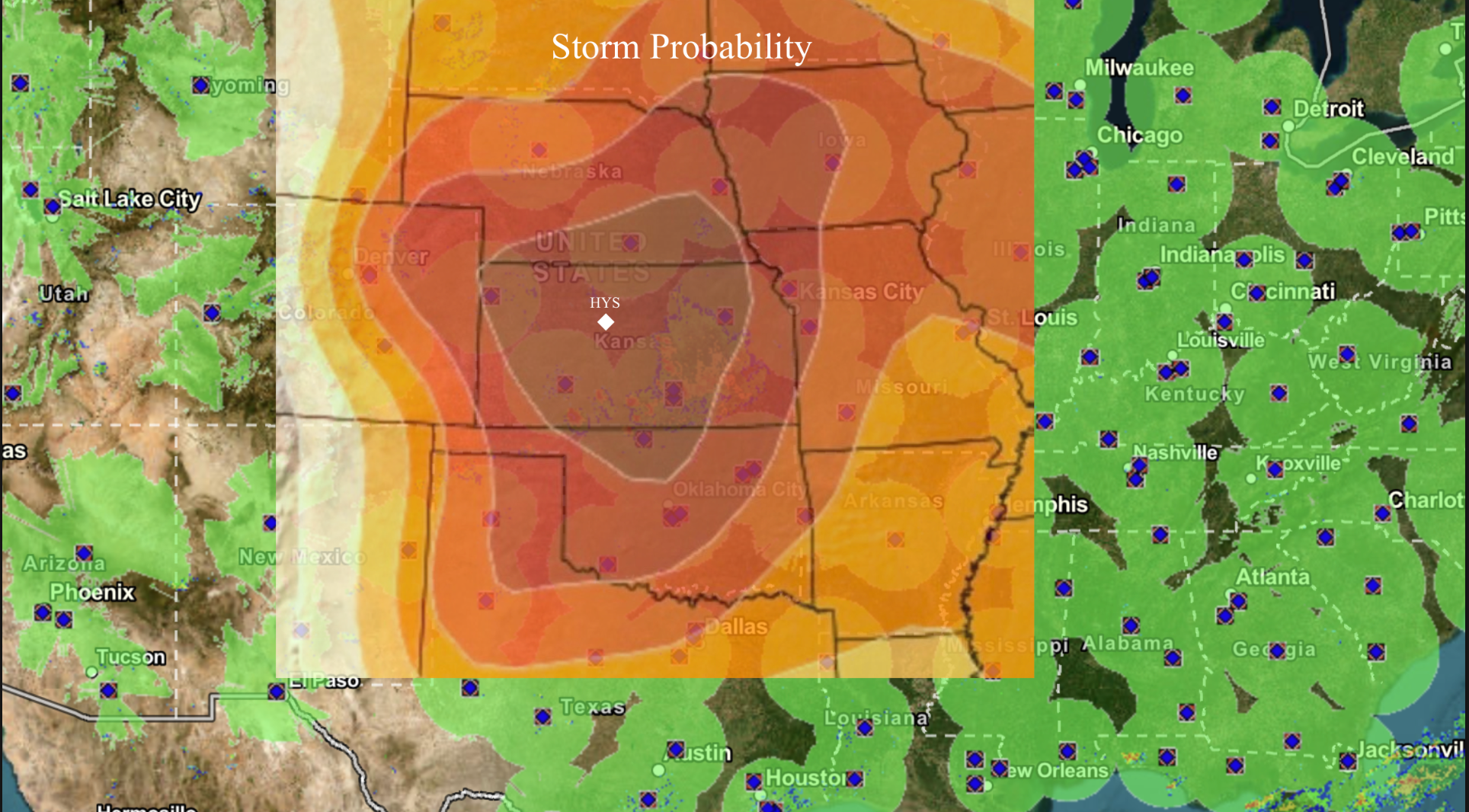
Hays is the only significant radar gap in the state, Krug said. Not only is Hays in the radar gap, but based on historical data, it is in an area of high probability for severe storms.
"It's fortunate that we haven't been affected much," he said. ... "We had the one in Grinnell last year and then Hoisington. The Hosinginton tornado was 600 yards wide. Think if that would have gone through Hays. That would have affected a lot of people."
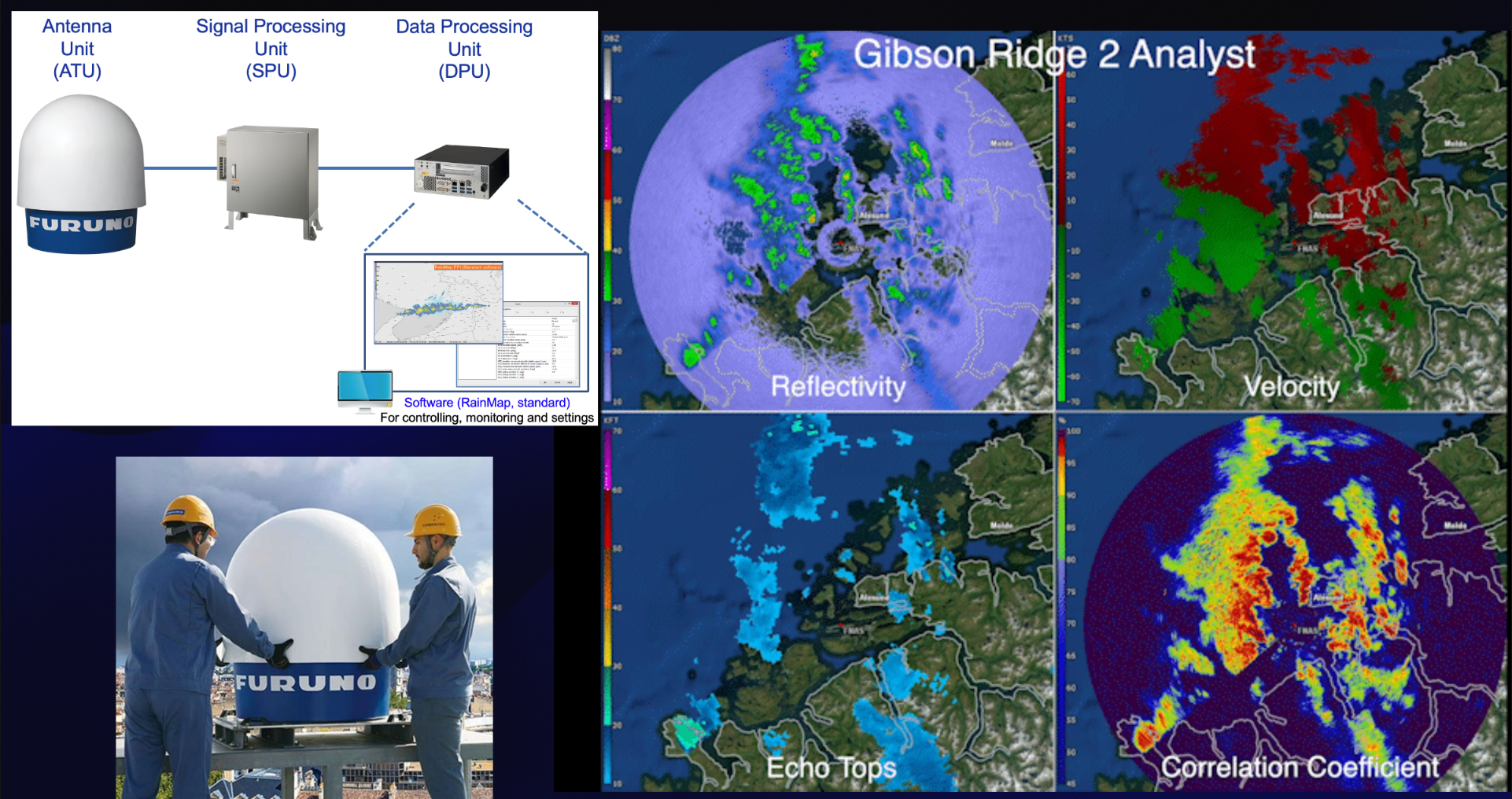
Furuno makes a small, portable radar, Krug said.
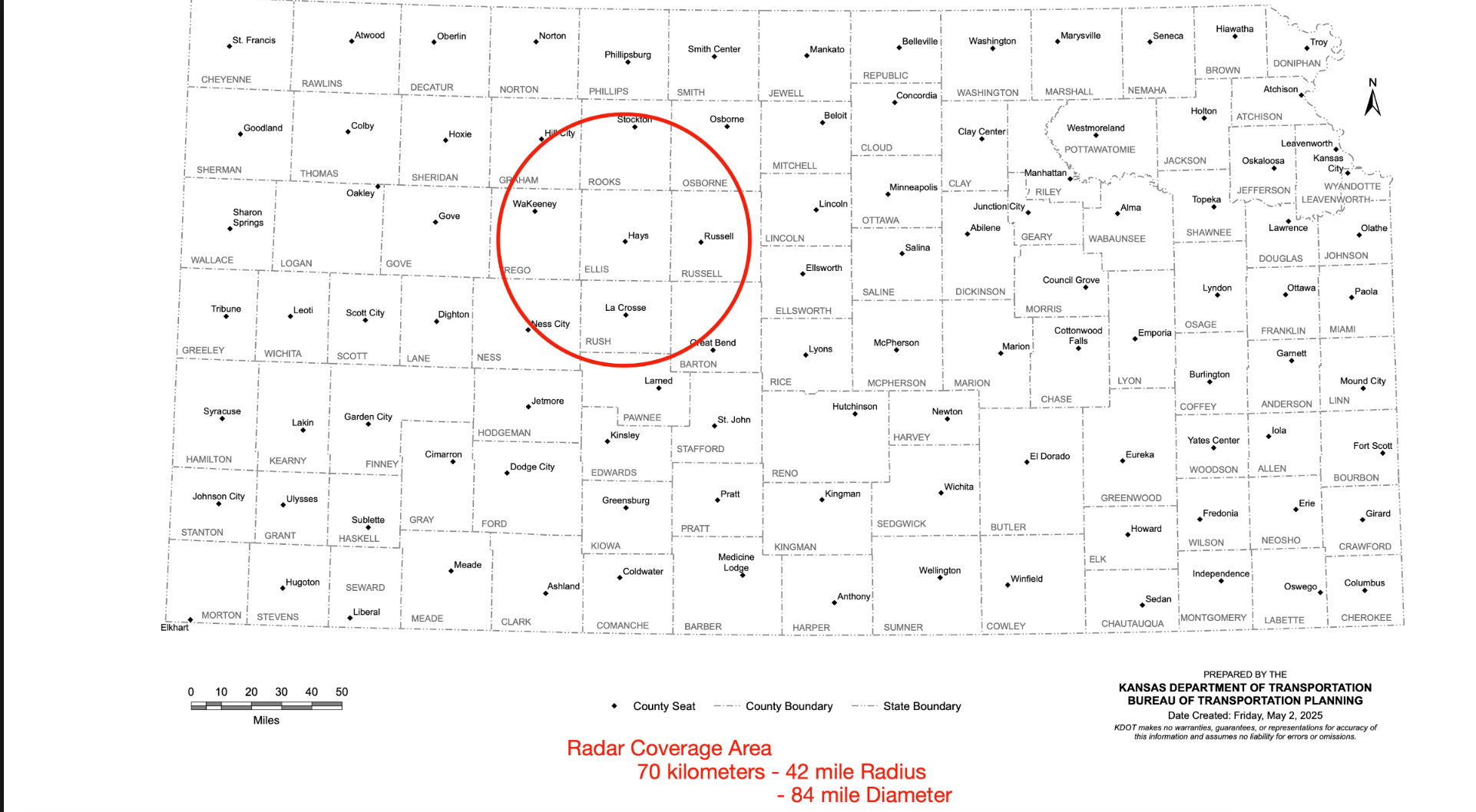
The covered area would be 42 miles, including Ellis, Rooks, Rush, Trego and Russell counties.
This Doppler radar provides velocity data. Red is objects moving away from the radar, and green is objects moving toward the radar. You look for tornadoes where those two meet, Krug said.
This radar can also detect smoke, Krug said, which could help identify and fight wildfires.
The data would be accessed through a web server. Krug said the Hays Community Radar Project would provide information to the National Weather Service, which would still be the agency that issues weather alerts.
Nonprofit STEM Harvest in Hays is assisting with the radar project.
Dallas Haselhorst, STEM Harvest founder, said it will be important to get the data into the hands of city, county and state officials who need to have the severe weather data in real time.
In addition, the project plans to partner with local agencies, including the Hays Post and Eagle Radio, to make the information available to the public.
Other communities in the nation that also fall in radar gaps have also undertaken projects to install their own radars to close the gaps, Krug said.
All of the National Oceanic and Atmospheric Administration's current radar equipment was installed in the late 1980s, Haselhorst said. Despite the equipment being past its life expectancy, there are no plans to replace the system or expand the radar network, he said.
The older radar used by the weather service takes 8 minutes to make a revolution. The smaller Furuno radar can refresh every minute.
"Think about the Grinnell tornado," Krug said. "In eight minutes it would have been south of town, and eight minutes later it would have been past."
With the site work included, the total project cost will be about $360,000. The project has already received a $25,000 grant from the Robert E. and Patricia Schmidt Foundation.
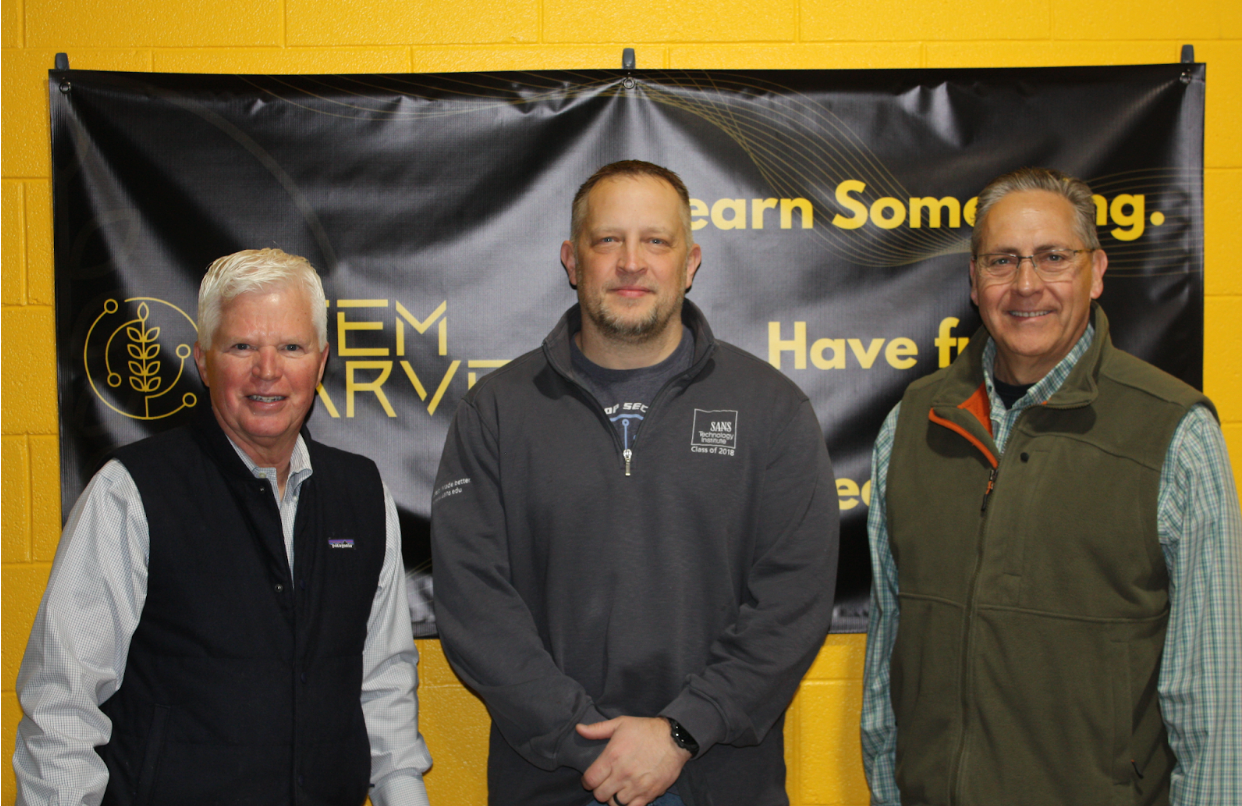
"The foundation is ensuring that emergency management agencies have the tools they need to protect the public during the most volatile weather months," a press release announcing the Schmidt award said.
The Heartland Foundation donated $15,000. With additional private donations, the project has raised about $48,000 thus far, Krug said.
Fundraising efforts to complete the project are ongoing through individual donors, private foundations and government sources. Contributions can be made to STEM Harvest, a 501(c)(3) nonprofit organization, and are tax-deductible.
STEM Harvest has a donate button on its website stemharvest.org/. You can give through its Heartland Community Foundation Endowment, Venmo, Cash App or credit card. Please designate Hays Community Radar when you give.
Krug said the project has received letters of support from a variety of entities, including Fort Hays State University, area schools and the Hays Recreation Commission, which alone has 40,000 participants annually.
The Hays Regional Airport also lacks access to local radar, and the director said the Furuno radar would be valuable to both commercial and private pilots.
Krug said closing the radar gap is a safety issue.
"[We would be] able to give earlier warning and make better decisions," he said.
The timeline for installing the radar will likely depend on funding. Krug and Haselhorst said they thought it would take at least a year to secure funding for the radar.