


By KAREN MADORIN
Two decades ago, my uncle wrote and shared his memoir with family.
Just out of the army, he met and fell in love with my dad’s sister who moved from Barton County, Kansas, to Washington D.C. to work as a secretary during and after the war. He grew up in the east and worked in D.C., so they lived in Virginia following their marriage. We saw them infrequently at Grandma’s gatherings so I appreciated his story that let me better know the man who convinced my aunt to live far from her roots.
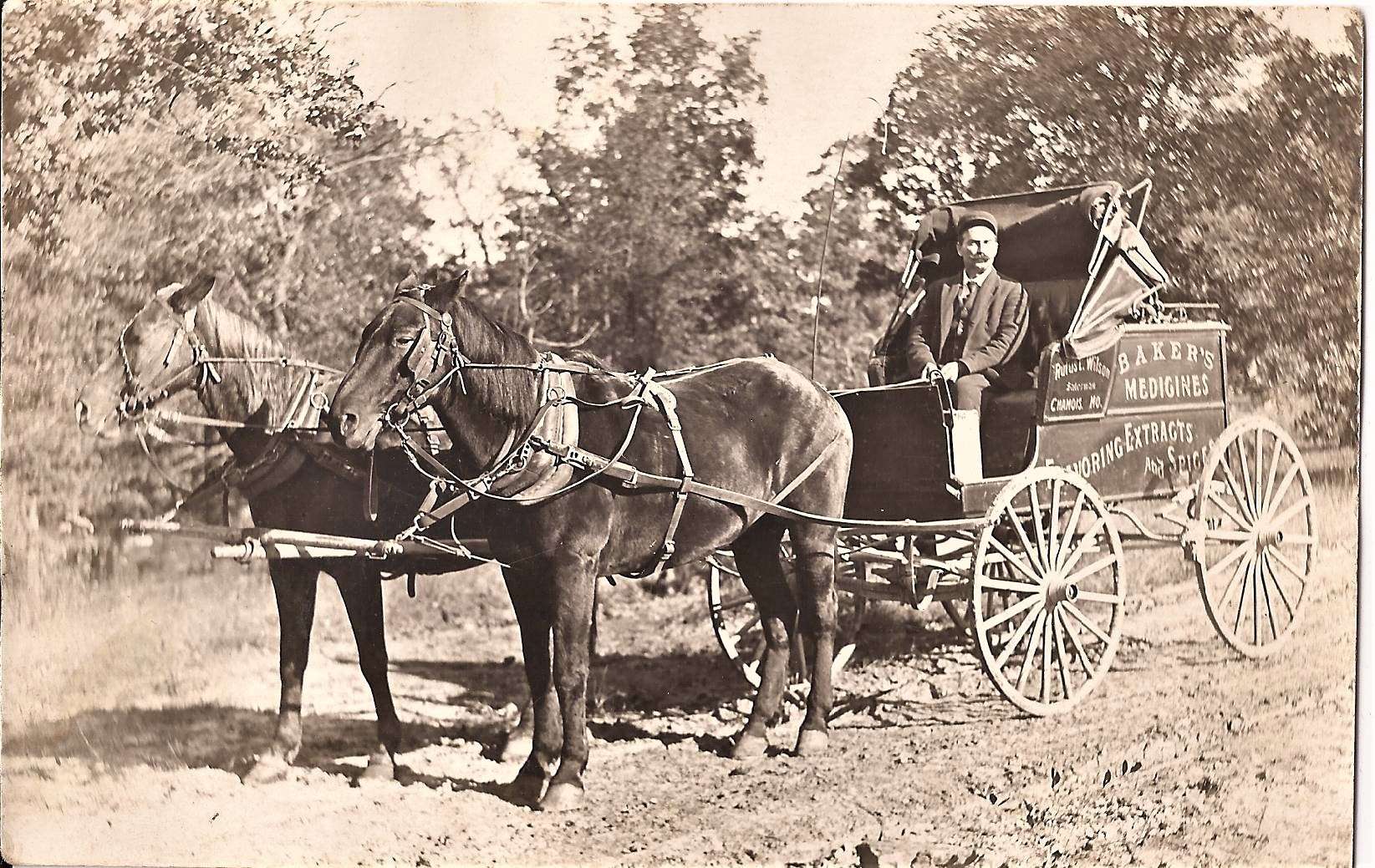
He’d grown up in the early decades of the 20th century: a time when automobiles replaced horse travel, electricity-kerosene, and indoor plumbing-outhouses and wells.
As a youth, he worked in his hometown merc and described how differently stores operated then compared to the early 2000s when I read his draft. During my lifetime, shoppers pushed carts and filled them with selected products, exited at the checkout, and thanked the bag boy before heading home to put groceries away. That was not the shopping experience he described. Ironically, friends and family will find commonalities with his world.
Uncle Wendell’s job involved an old-time market where stacked items lined tall shelving along every available wall. Customers waited after handing lists to a clerk and while the butcher cut and wrapped their meat. Uncle Wendell was the clerk who filled lists while customers completed errands or visited. Starting life as a shopping cart baby, I couldn’t imagine letting someone else select my groceries.
What goes around comes around, and now-days, area merchants hire professional shoppers to fill computer-generated lists for customers who order online. Big Box stores are so busy meeting this demand that employees block aisles and complicate navigation for those who prefer to do their own shopping.
During Covid, our daughters utilized this computer order and fill option and discovered they save money and time. As busy moms, they appreciate the convenience and continue restocking cupboards this way. During early online ordering, they drove to the pick-up lane and popped trunks for a clerk to load their purchases.
Recently, the child who lives far from a box store informed me that not only do employees satisfactorily select and package her merchandise, they also offer free same day delivery to her front porch. Buyers tip drivers. This version expanded Uncle Wendell’s tale.
During stress-inducing Covid years, merchants had to creatively satisfy customers. Their clever return to an early 1900s shopping model reduced human contact and enabled struggling businesses to survive. Based on what our kids and several friends say, some folks prefer ordering groceries online due to time and money savings. Stores offering same day deliveries to surrounding counties explains the increase in numbers of employees pushing and filling carts stacked with large containers.
This shift to a century-old+ model forces small town markets to rethink form and function. Our local grocery competitively offers shop and delivery services to area residents. They also added a great salad bar and divine deli to encourage in-store shoppers to wander aisles and allow senses to enjoy sights and scents that trigger spontaneous purchases.
What would Uncle Wendell think to see his teen-aged job make a computer-generated comeback?
Karen Madorin is a retired teacher, writer, photographer, outdoors lover, and sixth-generation Kansan.