


By ALIN HETT
Hays Post
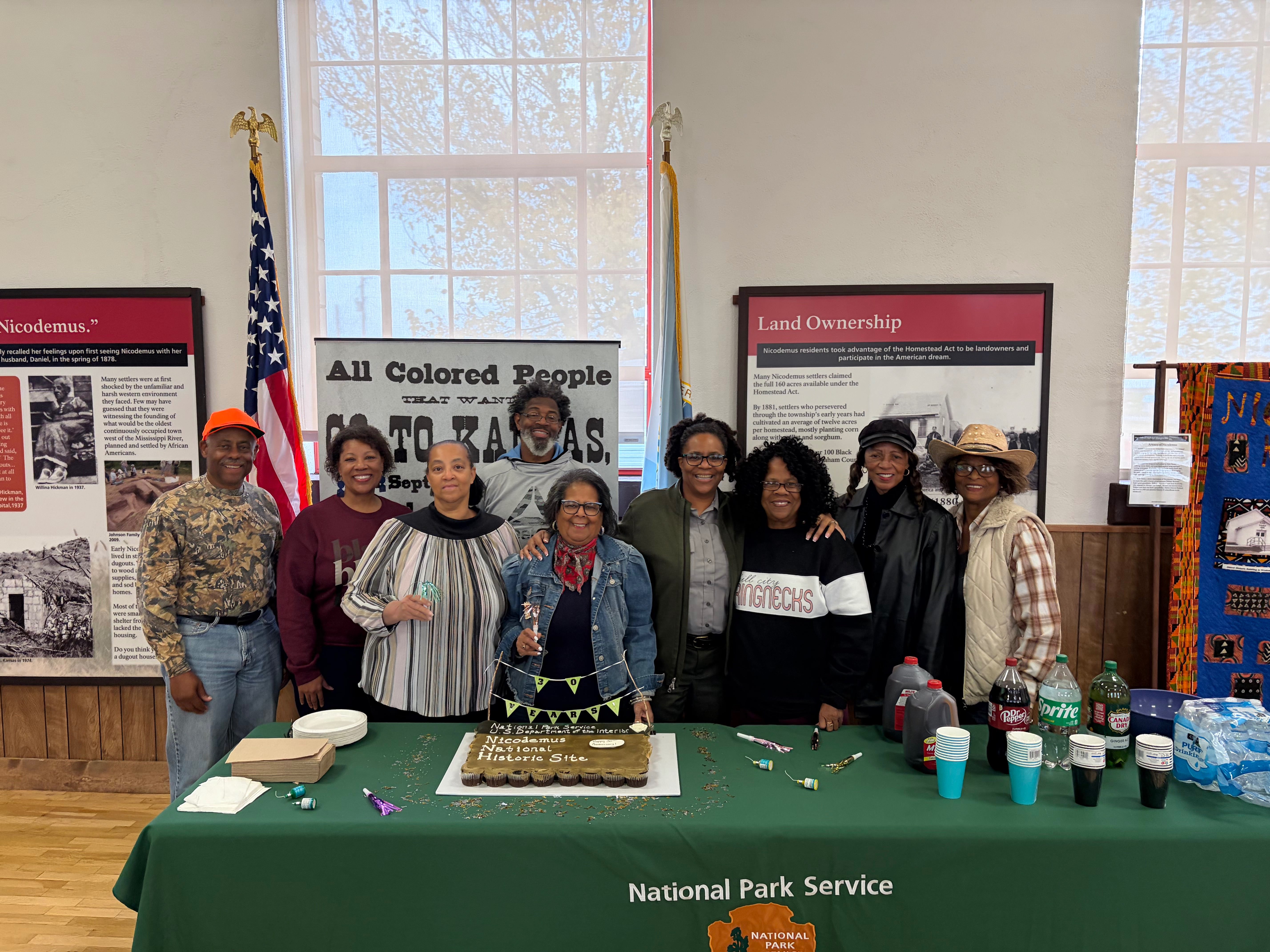
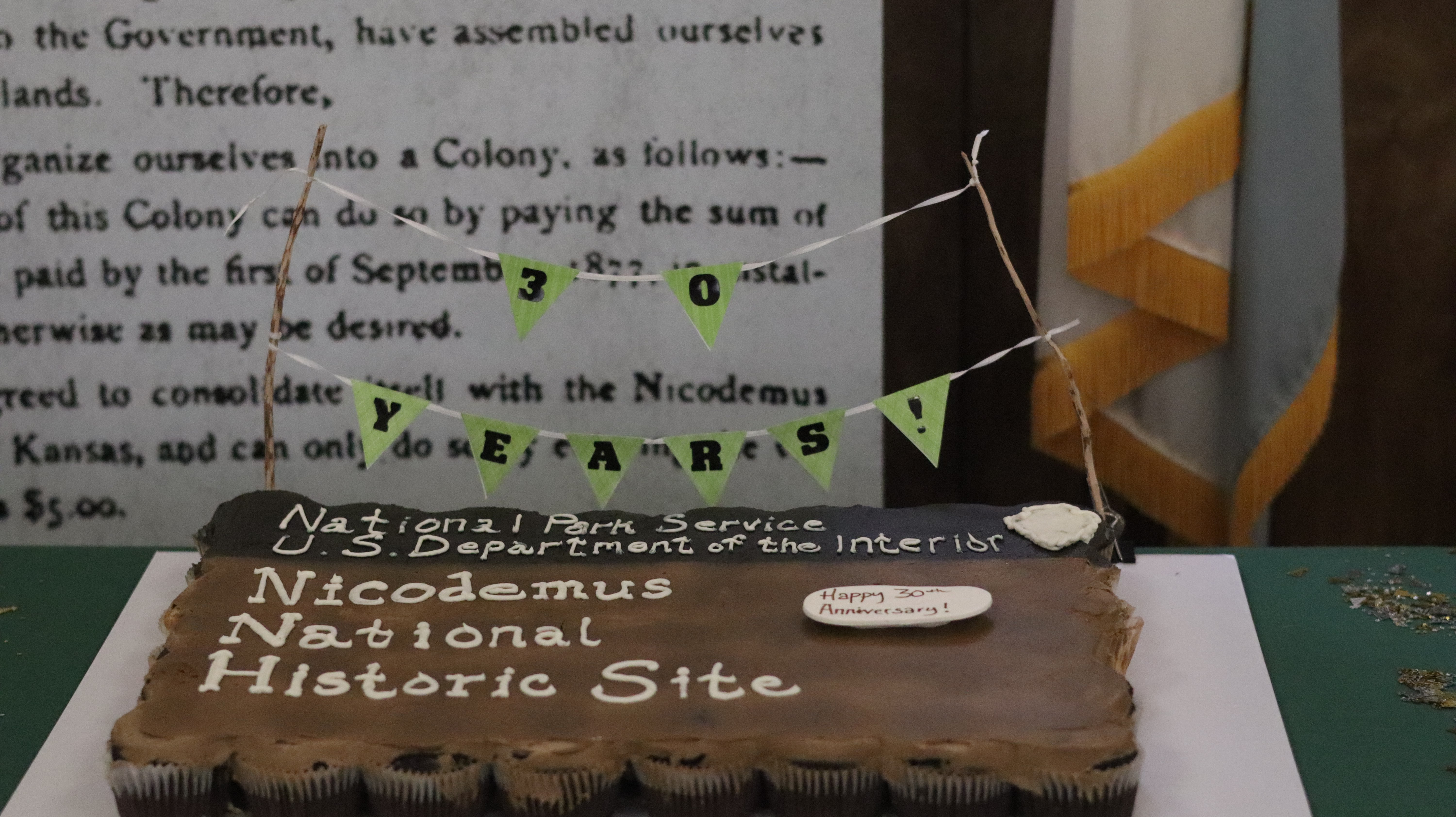
Thirty years ago, on Nov. 12, 1996, Congress established Nicodemus National Historic Site to preserve the history of the only remaining western town founded by African Americans during Reconstruction.
Nicodemus is a community in Graham County in northwest Kansas, founded in 1877.
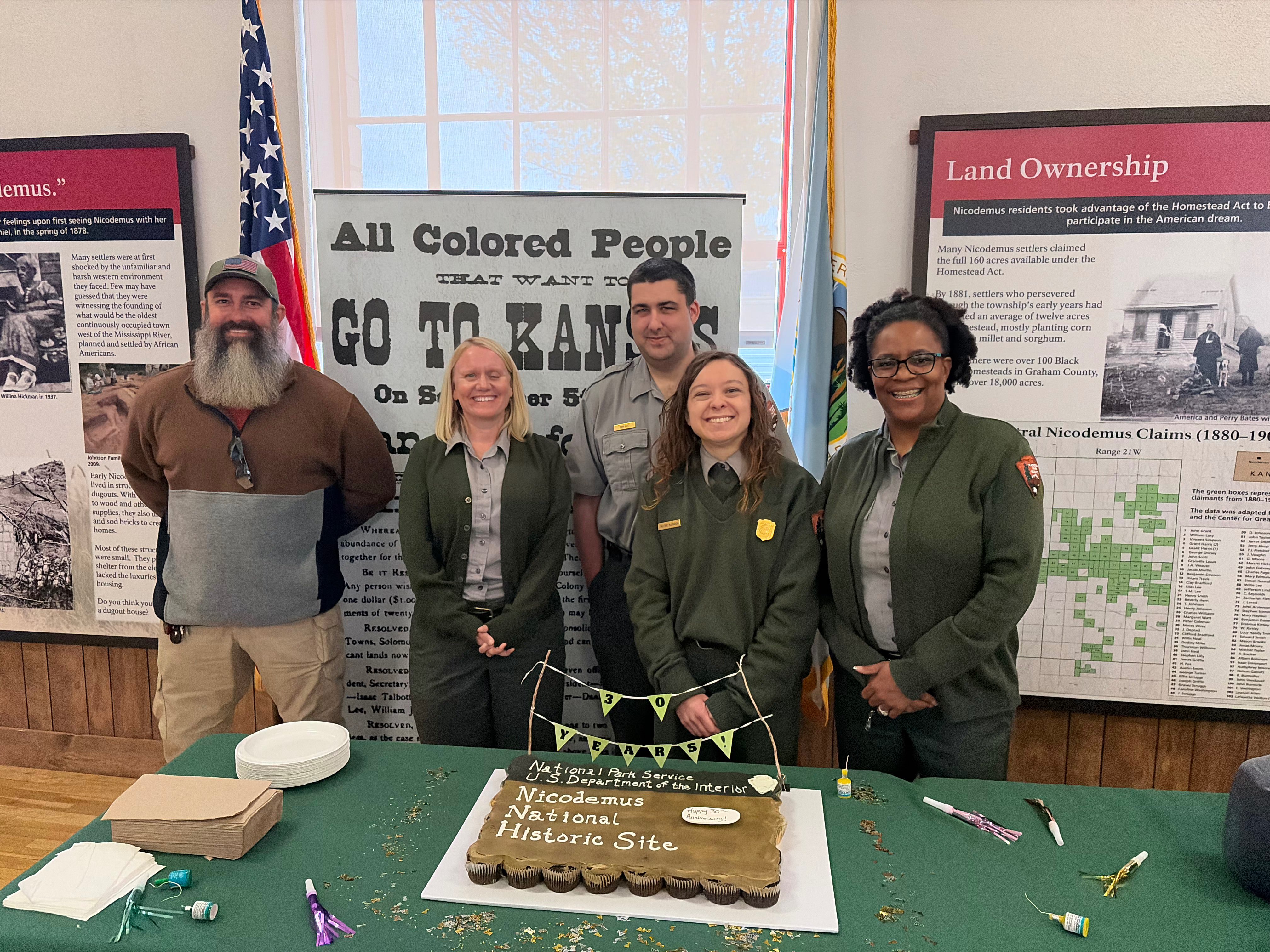
At a gathering this past weekend in Nicodemus, Dan Cox, park ranger, and Angela Bates, Nicodemus historian, marked 30 years since Congress established the site.
Cox traced the efforts to bring Nicodemus into the National Historic Society and National Park Service, while Bates shared how family ties and years of community work helped preserve the city's history.
“Even though I grew up in Pasadena, whenever I was talking to anyone, it was always: home was Nicodemus,” Bates said.
Bates shared that her parents moved her family to California from Nicodemus when she was a child, but later returned to Nicodemus each summer for the town’s celebration. Bates said her brother looked forward to seeing relatives, riding horses and spending time in the community their family still calls home.
That connection became a foundation for Bates’ work to preserve Nicodemus’ history.
Bates said while the 30th anniversary marked the site’s establishment by Congress on Nov. 12, 1996, the actual story of Nicodemus, began more than a century earlier.
Nicodemus was founded in 1877 during Reconstruction by African American settlers seeking land and the chance to build a community on their own terms. The first settlers came largely from Kentucky. The Nicodemus Town Company included six Black Kansans and a white land developer, W.R. Hill. The town became the only remaining western town established by African Americans during Reconstruction.
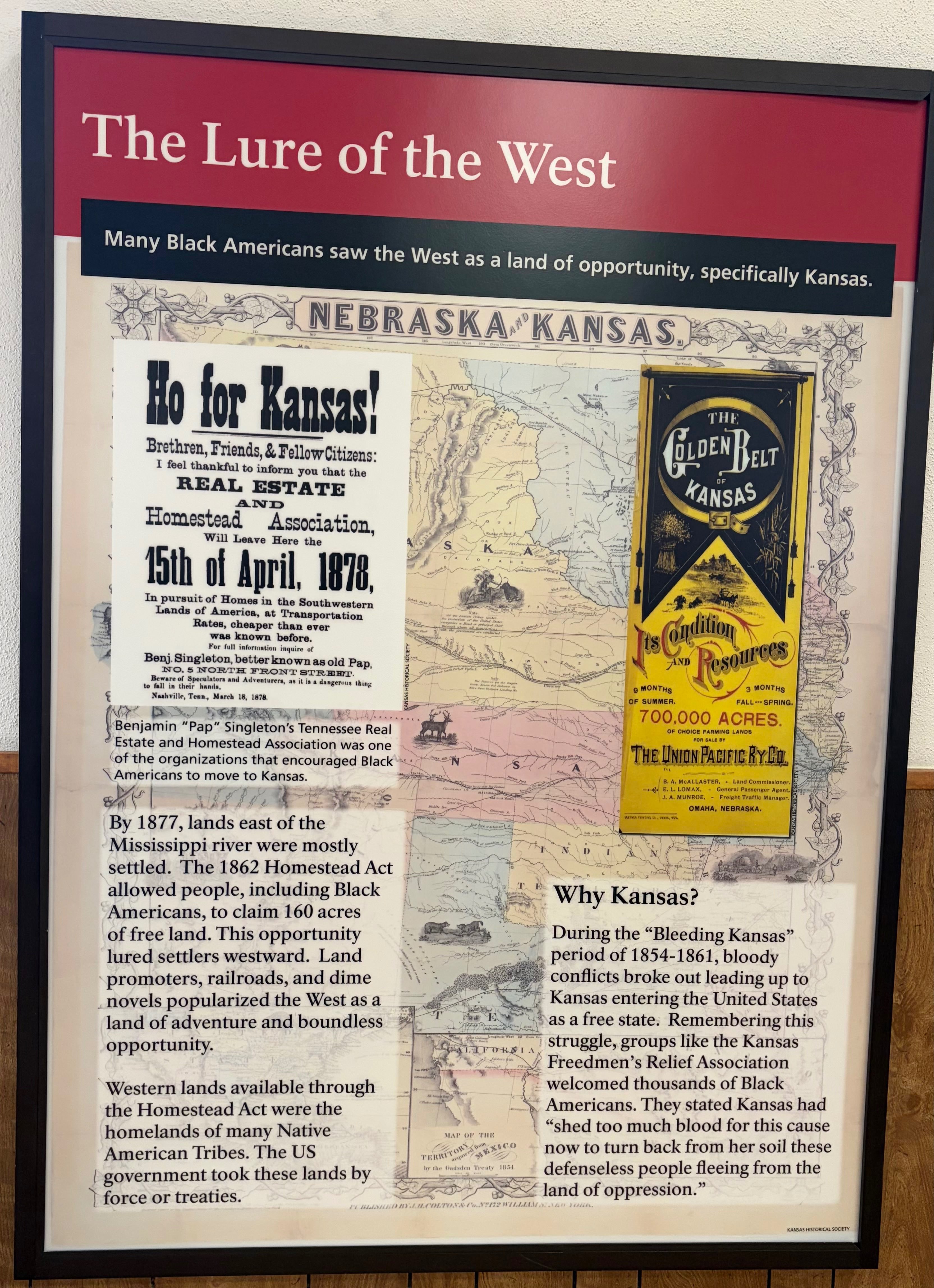
Bates said the settlers came to Kansas amid the hardships and violence faced by Black people in the post-Reconstruction South. They sought the opportunity to farm, own property and participate in a community where African Americans could govern themselves. Bates shared their migration was part of a broader movement of Black families westward, especially during the late 1870s, often called the Exoduster movement.
The town’s growth was never guaranteed. Settlers faced the challenges of building homes and the weather that came with moving to Kansas.
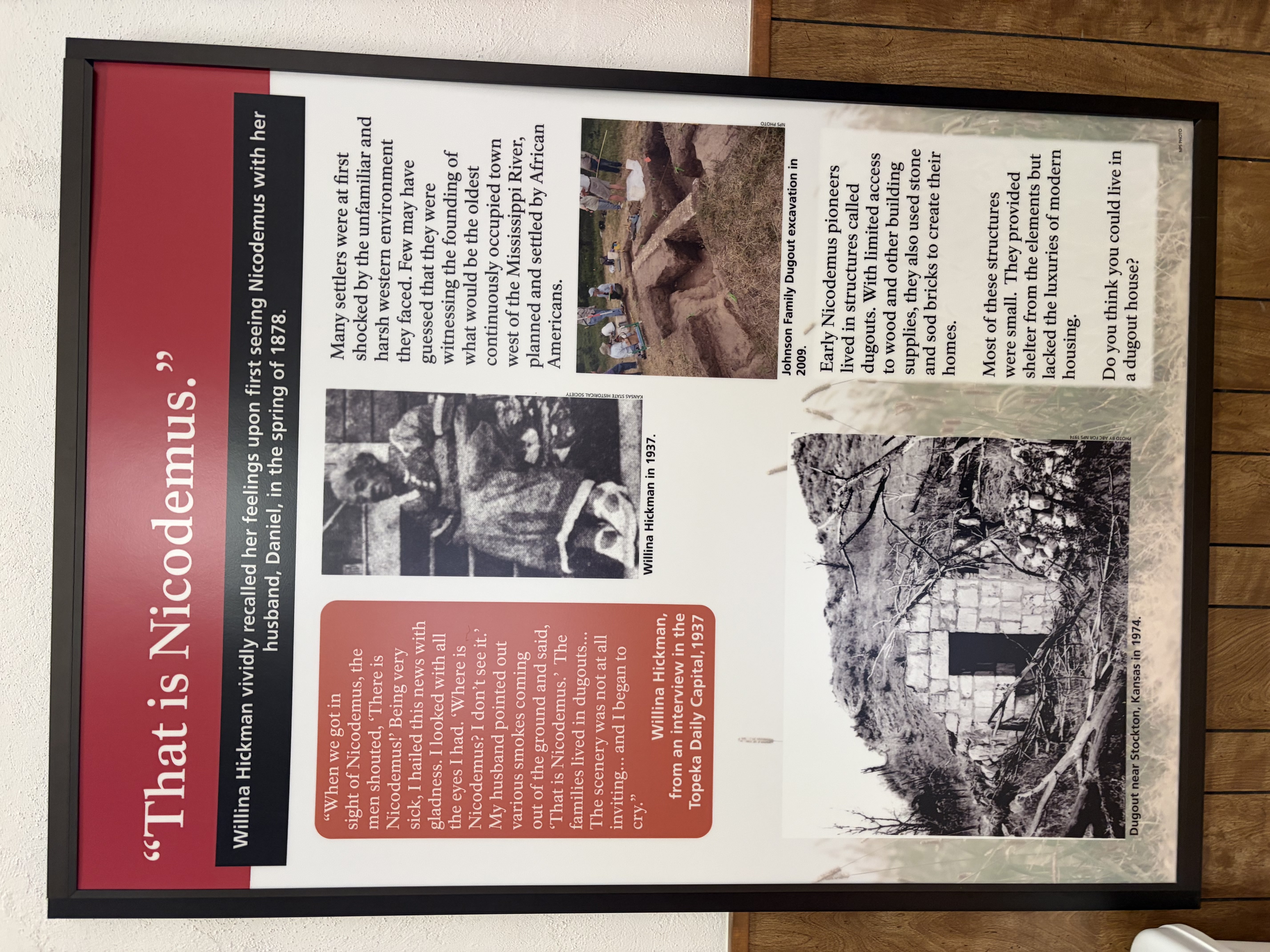
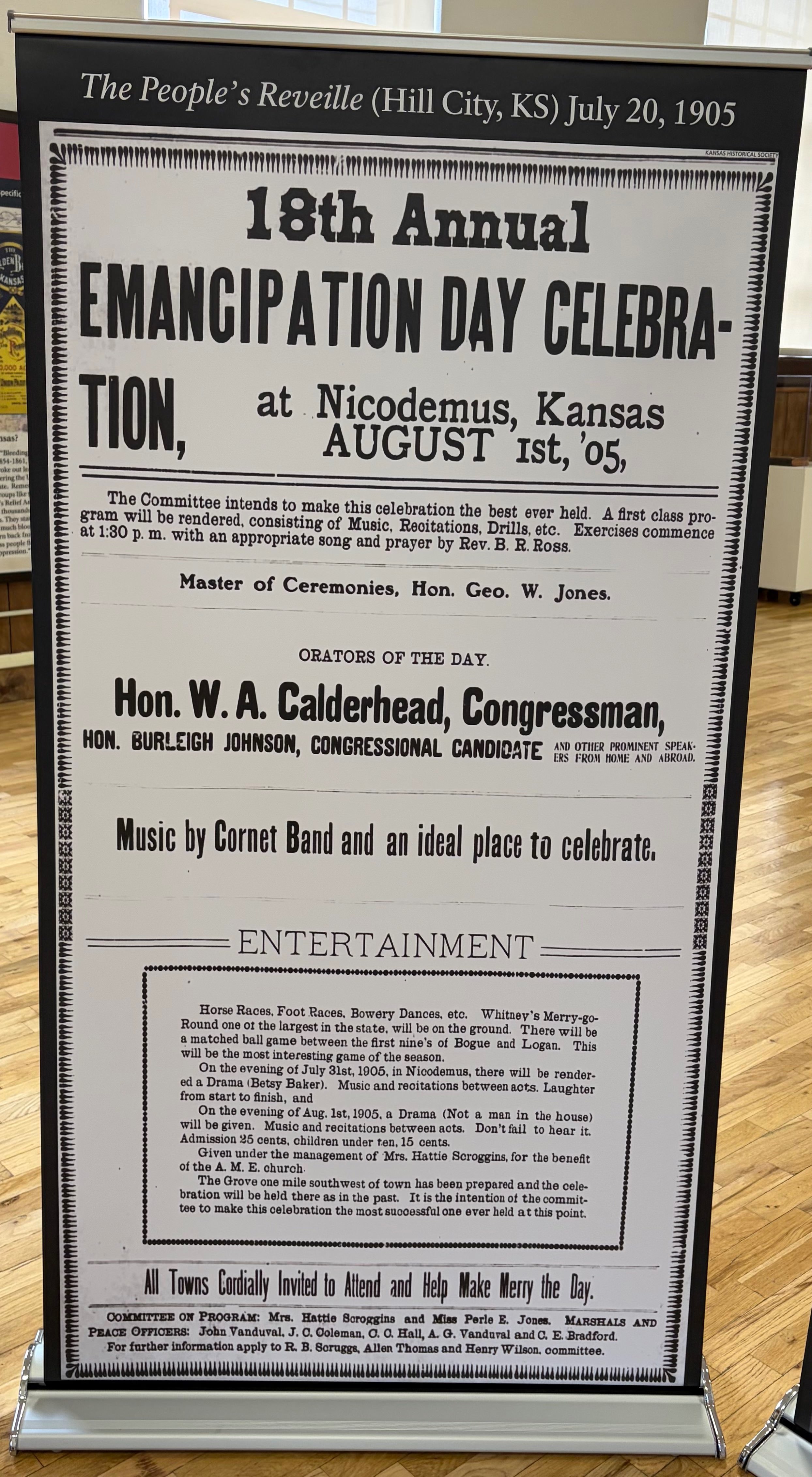
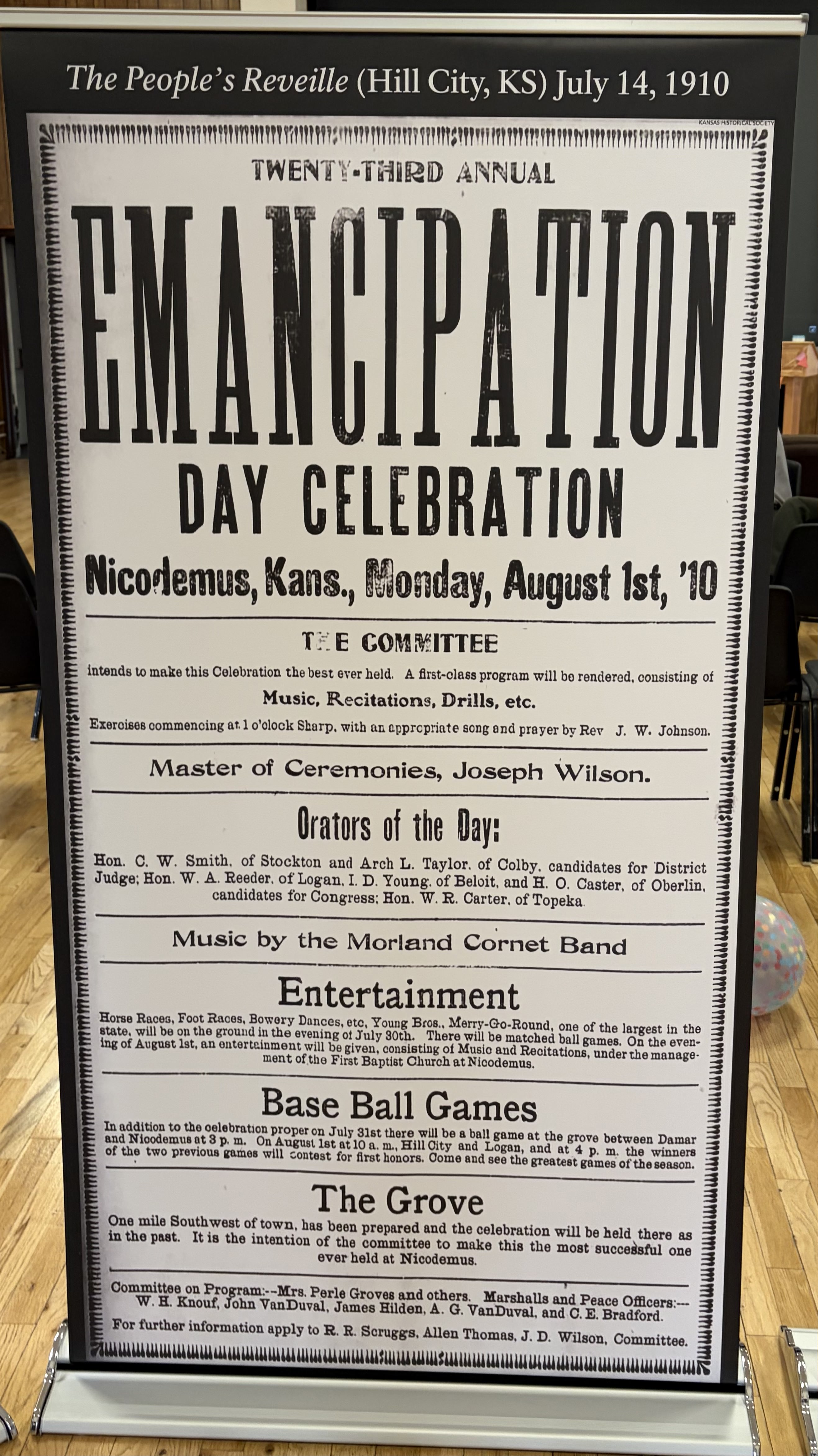
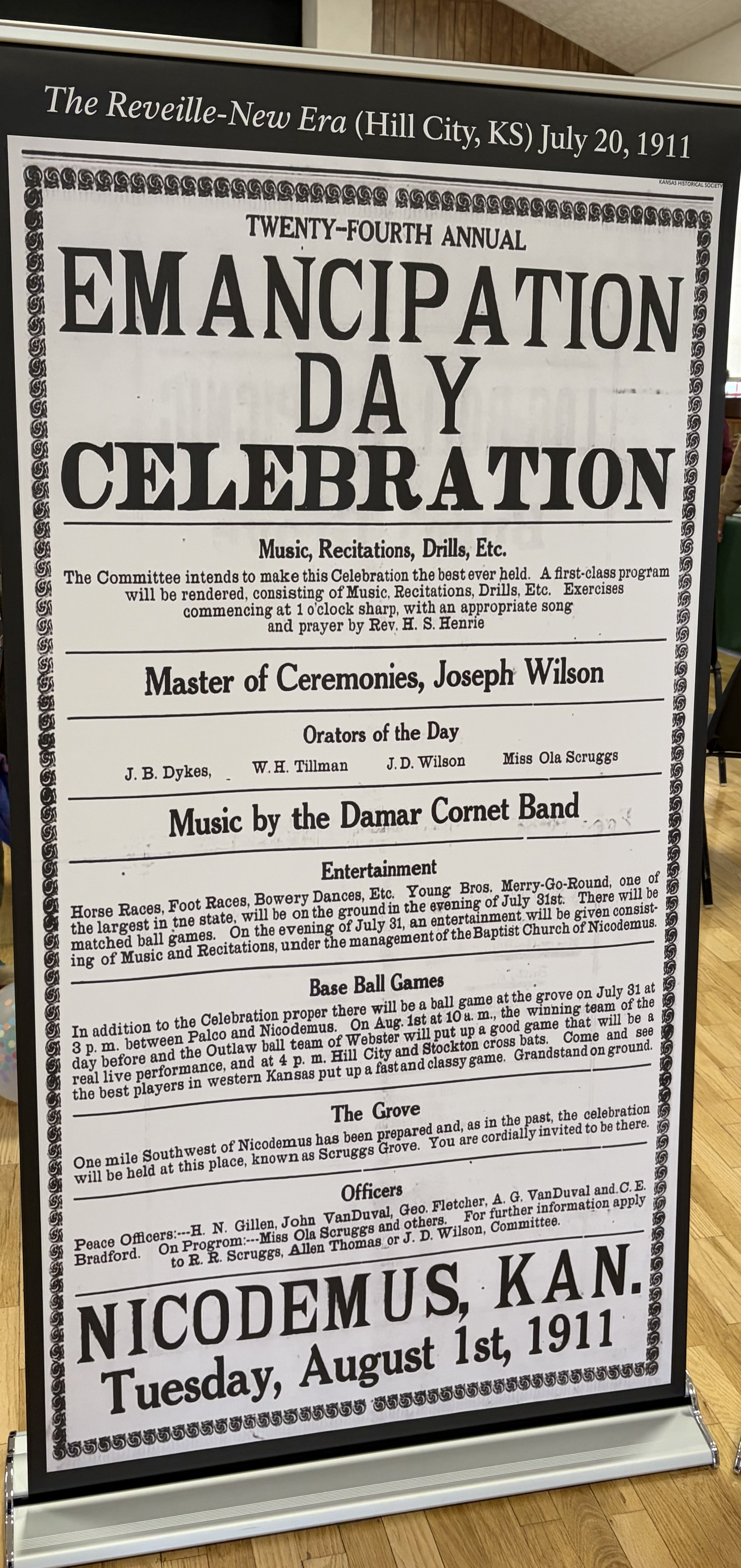
The town’s population declined, but families remained in the area, and descendants continued returning for the annual Emancipation celebration. The community has endured Nicodemus as a living place, not only a collection of historic buildings.
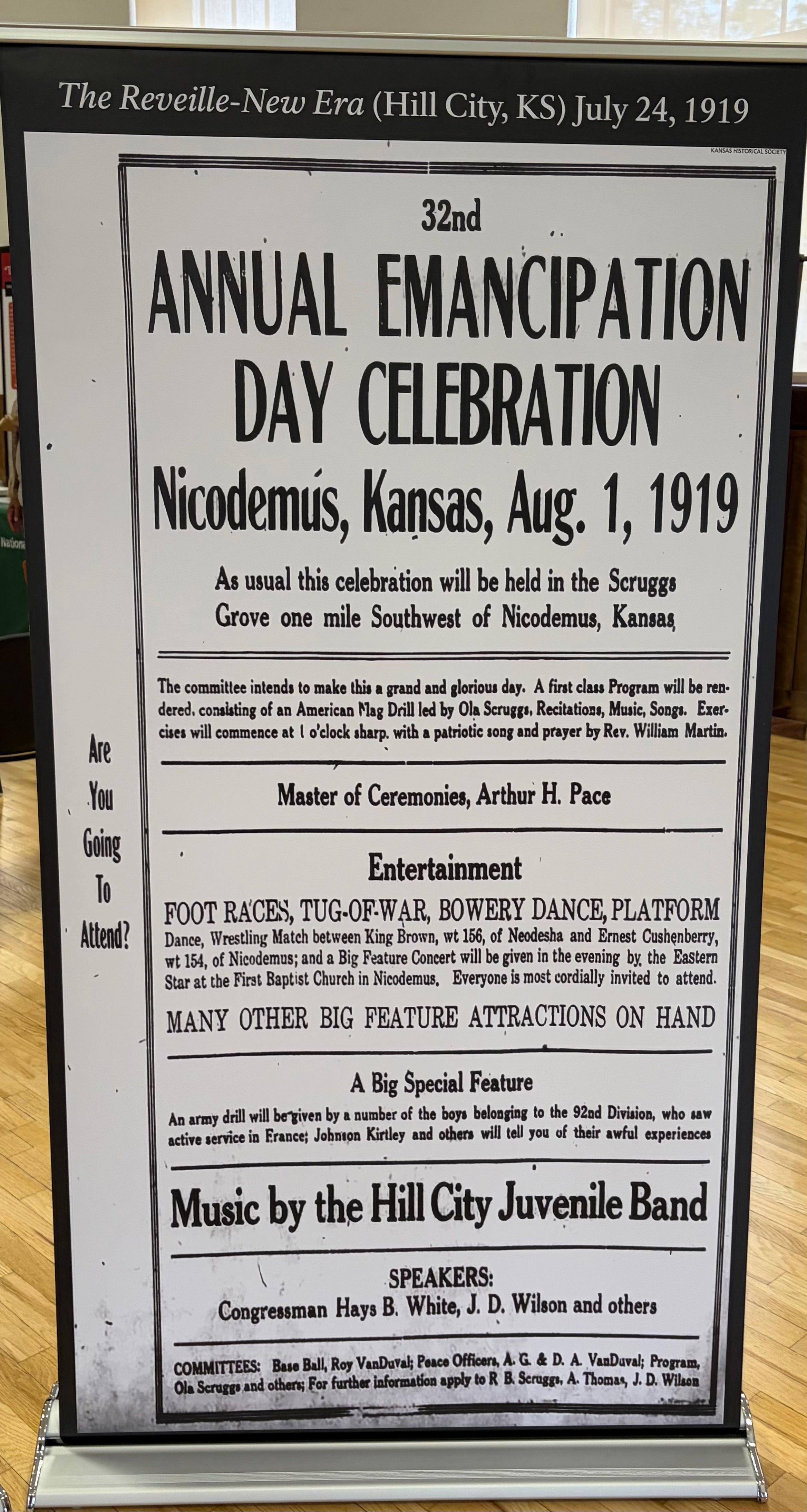
The five buildings preserved as part of the National Historic Site represent the institutions that helped sustain the community: church, self-government, education, home and business. They include the First Baptist Church, African Methodist Episcopal Church, Township Hall, schoolhouse and St. Francis Hotel.
Preserving a community
Bates’ path to preservation began with those trips home. Even after moving away, she said, she and other descendants in California stayed connected to Nicodemus through an organization called Nicodemus West.
"We raised money to send back here to the folks here for various community projects and various individuals that really needed help," Bates said. "Nicodemus West was the arm of Nicodemus that went to the West, but we never forgot where we came from."
In 1988, Bates helped establish the Nicodemus Historical Society to collect the town’s history, photographs, documents and other records. She moved back to the area the following year and opened the society’s first office in the Priscilla Arts Club building.
She recalled the support of older residents who helped her gather and protect materials. One family donated the house of a member of the community Mrs. Wilson, a teacher in the community during the 1930s and 1940s. Bates said that the restoration took months, and the value of the items in that house all had historical value.
The work took place alongside a broader effort to document and preserve Nicodemus. In 1970, brothers Vincent DeForest and Robert DeForrest (Brothers with different spellings of their last names) founded the Afro-American Institute for Historic Preservation and Community Development, which worked to identify and protect African American historic sites.
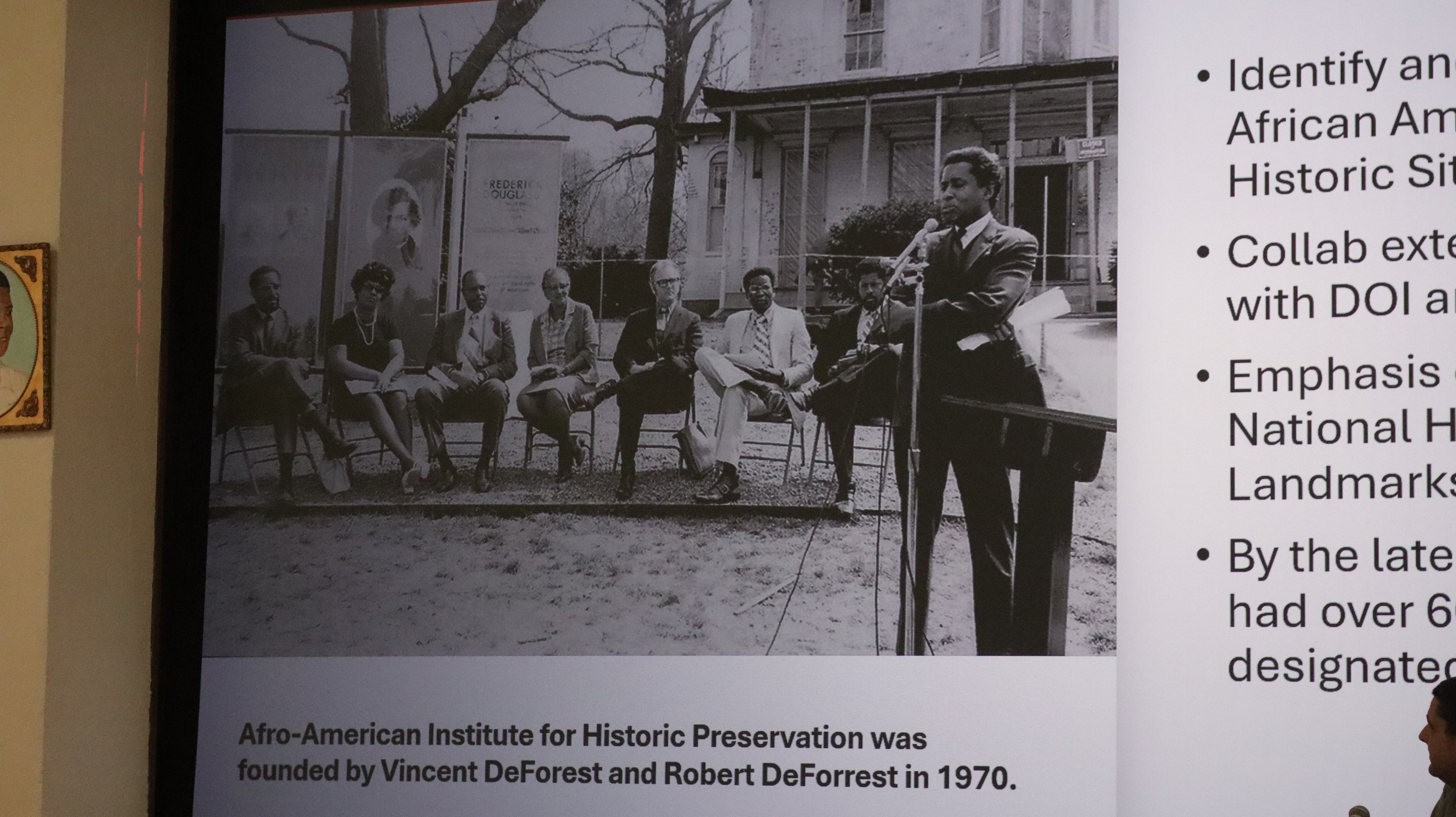
Bates said she met the DeForest brothers while living in the Washington, D.C., area and became close with Robert. She spoke emotionally about Vincent’s importance to her, and about the brothers’ work to bring attention to African American history.
“I’m going to get emotional because he meant so much to me,” Bates said of Vincent.
Bates said Vincent DeForest and his brother, Robert DeForrest, helped put Nicodemus on the national preservation map. They co-founded an organization to identify and protect African American historic sites. Its work included preparing the nomination that helped Nicodemus become a National Historic Landmark in 1976.
Bates said a man by the name of Veryl Switzer helped draw the organization’s attention to Nicodemus.
Veryl Switzer was a Nicodemus native, former Green Bay Packers player and Kansas State University administrator. He was also an early advocate for preserving his hometown's history.
Switzer was also Bates’ cousin and encouraged her to take a larger role in preserving the community. Bates recalled attending a National Trust conference with him in Denver many years ago, when Switzer told her it was time to take the baton from him. Bates said it was Switzer's work that largely helped get Nicodemus to become a national historic landmark in 1976 (different than a historic site).
Bates also credited Nicodemus residents for attending meetings and contributing to the preservation effort. She said it was important to recognize the people who had been working locally, even when someone else became more publicly associated with the campaign.
The goal eventually shifted from documenting Nicodemus to seeking National Park Service protection. Bates wrote to then-Sen. Bob Dole, asking him to sponsor legislation. Bates said Dole agreed, but the effort first needed a feasibility study to determine whether Nicodemus met the requirements for inclusion in the National Park System.
Residents also had concerns about what federal involvement could mean for the community. Bates said some feared the government might take private property, as residents believed had happened in other historic-site projects.
The 1976 landmark district covered about 161 acres, including private properties. In shaping the legislation, Bates said, the community pushed for the five historic buildings to be the focus of the National Historic Site, not just one individual building.
That distinction mattered to a town that wanted federal help preserving history while remaining a living community.
Dan Cox, National Park Service Ranger, described the process as a collaboration among residents, descendants, preservationists and lawmakers. He said park staff members who are not descendants must tell the story with care.
“I want to be able to tell that story correctly and be sincere about it,” Cox said, “and not just in a way that sounds maybe condescending.”
Bates said Senator Dole introduced a bill in the Senate, while then-Rep. Pat Roberts introduced legislation in the House. The measure was eventually included in the Omnibus Parks and Public Lands Management Act of 1996.
Cox shared words Dole used years ago in making the case for preserving Nicodemus,
“Time, it is said, is the savior and the nemesis of history,” Dole said. "The passage of time creates history, but can also erase it."
Bates remembered her excitement when she learned the legislation had passed.
“I thought, ‘Oh my God, it’s actually passed. We’ve done it,’” Bates said. “And then I thought, ‘OK, it’s done. I can sit down now'...I ain’t sat down yet.”
The work is not finished
The designation did not end the work of preserving Nicodemus. Bates described decades of changing staff, slow federal processes and efforts to keep the history visible.
She said Park Service staff and community members have recorded oral histories, organized exhibits and developed programs to bring the town’s past to audiences.
One effort was the Nicodemus Buffalo Soldier Association, which performed across the country. Bates helped create living-history programs and tours that involved residents and descendants.
She also staged Chautauqua programs under a tent, bringing local history to life through community members portraying historical figures.
“We engaged everybody,” Bates said. “It did not matter if you had acting experience. We hired everybody.”
Bates said she has goals for Nicodemus. She hopes that future visitors will be able to experience Nicodemus as a place where its history feels present in the streets and buildings. One way to experience this is to have live actors walking the streets.
Bates compared her vision to Colonial Williamsburg in Virginia, where historical interpreters wear 18th-century clothing, portray people from the past and demonstrate trades such as blacksmithing, weaving and carpentry.
Bates imagined a similar approach in Nicodemus, with people bringing its streets and buildings to life so visitors could experience how the community once lived and worked.
Nicodemus’ 30 years as a National Historic Site honor the work of preservation. They also mark the persistence of the people whose vision made the town, and the descendants who continue to carry its history forward.
“All of us that are here today are stewards of that history,” Bates said. “And I just think that it’s a blessing to be a part of this great legacy.”