


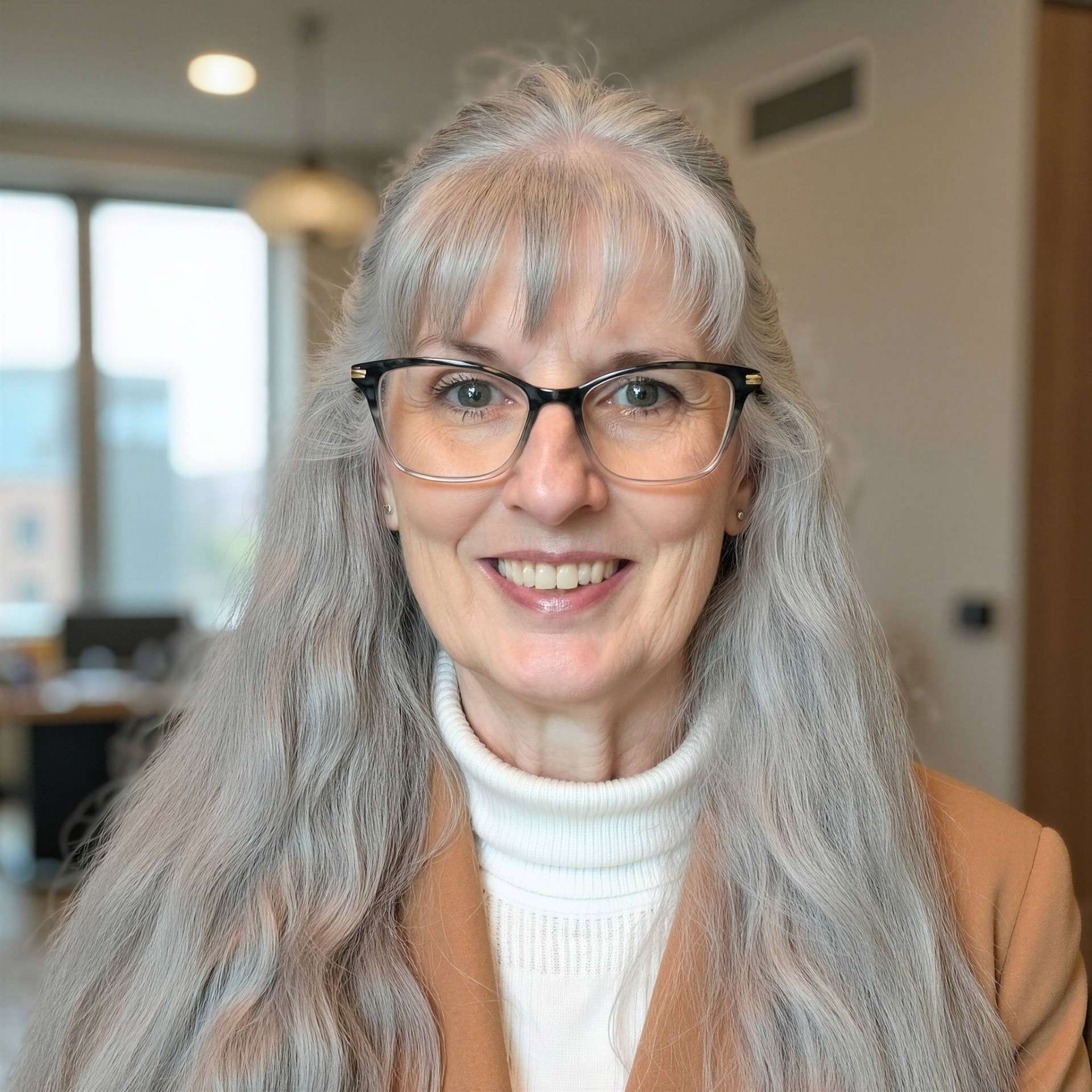
Party: Democrat
Age: 62
Profession: Educator
Qualifications: Bachelor’s degree English-secondary education, ESL endorsement, master's degree-Teaching English to speakers of other languages
What should be the top priorities of the board in 2027?
My top priority is making sure state policy works for rural Kansas. That starts with setting clear, measurable goals with our new commissioner, and making sure the commissioner understands the unique challenges rural schools face.
State law places real requirements on our schools, but special education remains underfunded. A small district often can't afford a specialist, such as a reading specialist, even when students need one and the law expects it.
Policy has to work for a school of 80 students as well as one of 2,000.
Second, we need learning opportunities for every kind of learner. There's a lot of concern about screens in classrooms, but student technology use at school is much lower than many people think. T
he bigger need is more hands-on learning, like career and technical programs, ag and industry partnerships, and real-world projects that keep students engaged and connect them to jobs here at home.
Third, we need an honest picture of student achievement. The 2025 cut score change brought Kansas into line with other states. It didn't lower our standards. A state test is a snapshot of one day, and we can't judge our schools by that snapshot alone. Graduation rates, ACT scores and how students do after high school give a fuller picture.
What do you think Kansas can do to raise reading, math and science scores?
Kansas is already on the right track with reading, and the key now is giving schools the support to follow through. Every elementary teacher is being trained in the science of reading, and the board's job is to support teachers through that training, not just mandate it.
The state also now expects a licensed reading specialist in every elementary school, but many rural districts simply can't afford one. If we want results, the requirements have to come with resources.
We also need to catch struggling readers early, through screening and quick intervention in kindergarten through third grade.
In math and science, the same principles apply: strong foundational skills, quality curriculum, and well-trained teachers. Hands-on learning matters here too. Ag science, career and technical programs, and real-world projects make math and science concrete, especially for students who don't thrive with worksheets.
In rural Kansas, we also have to solve the staffing problem. Many small districts struggle to hire certified math and science teachers, so we need options like shared teachers, grow-your-own programs,and licensure flexibility.
Finally, students can't learn if they aren't in school, so improving attendance has to be part of the plan.
And we should use test data to help teachers help students, not just to rank schools. A test is one snapshot, and good decisions come from the whole picture.
What do you think the state can do to address teacher and staff shortages in Kansas, especially ina rural areas?
Teachers and support staff are the heart of every school, and right now Kansas is losing too many of them, especially in rural areas.
Pay is a big part of the problem. Some districts are still starting teachers around $30,000, and many support staff aren't earning a living wage. Western Kansas districts often hire and train new teachers, only to lose them after two or three years to higher-paying districts in eastern Kansas or across the state line.
Our rural schools have become a training ground for everyone else. I support a statewide minimum teacher salary so a teacher's pay doesn't depend on their zip code, and living wages for the paraprofessionals, bus drivers, and other staff our schools can't run without.
Setting pay is up to the Legislature and local boards, but the state board should be a strong voice for it.
We also need to grow our own. Kansas's teacher apprenticeship program lets paraprofessionals earn their teaching license without quitting their jobs, and a new federal grant is expanding it for special education. That's exactly the kind of solution rural Kansas needs, and we should make sure it reaches every corner of the state.
We should also encourage local high school students to come back and teach in their hometowns, give new teachers strong mentoring and allow more licensure flexibility so small schools can staff every classroom.
Do you think the state’s cell phone policy is helping students? Please explain.
Most District 5 schools already had working cell phone policies before the state law passed, and many of our communities would have preferred to keep that decision local.
Our school boards know their students and families best. That said, the law is in place, and some good things are already happening.
Many schools are seeing more students talking with each other at lunch instead of looking at screens, and that kind of connection matters for kids.
It's still too early to judge the law's full impact. Schools are only a few months in, and national research shows mixed results so far.
Some studies show better student well-being and improved test scores after a year or two, while others show little change in academics. We need to give it time and look at several years of results before drawing conclusions.
As we do, the state should give districts flexibility in how they carry out the law, and make sure new requirements don't add costs that small schools can't afford.
Do you think the Kansas Board of Education should have a policy on AI? If so, what should that be?
Yes, but the board's role should be guidance, not a one-size-fits-all mandate. The state should give districts a clear framework, and local boards should write the policies that fit their schools and communities.
That framework should start with one principle: AI is a tool for older students, not younger ones. In the early grades, children need to learn to read, write, think and solve problems on their own, with a teacher and with each other. AI has no place in that foundation.
For older students, AI can be a useful tool when it's used responsibly. They'll use it in college and in the workplace, so they need to learn how it works, what its limits are and how to use it honestly.
Good guidance should also cover academic honesty, protecting student data and training for teachers, who are being asked to manage this technology with little support.
AI should always support teaching, never replace the teacher.
Most important, every school in District 5 must have equal access to AI training, tools and resources. Students in our small rural schools deserve the same opportunities as students in the largest districts in the state, and I'll make sure District 5 isn't left behind.
Do you have, or have you had children or grandchildren in public schools in Kansas?
Yes, I have five grandchildren in Norton County, two of which who have already graduated. I have four more who will be moving to Decatur County from Wisconsin in the near future.