


By CRISTINA JANNEY
Hays Post
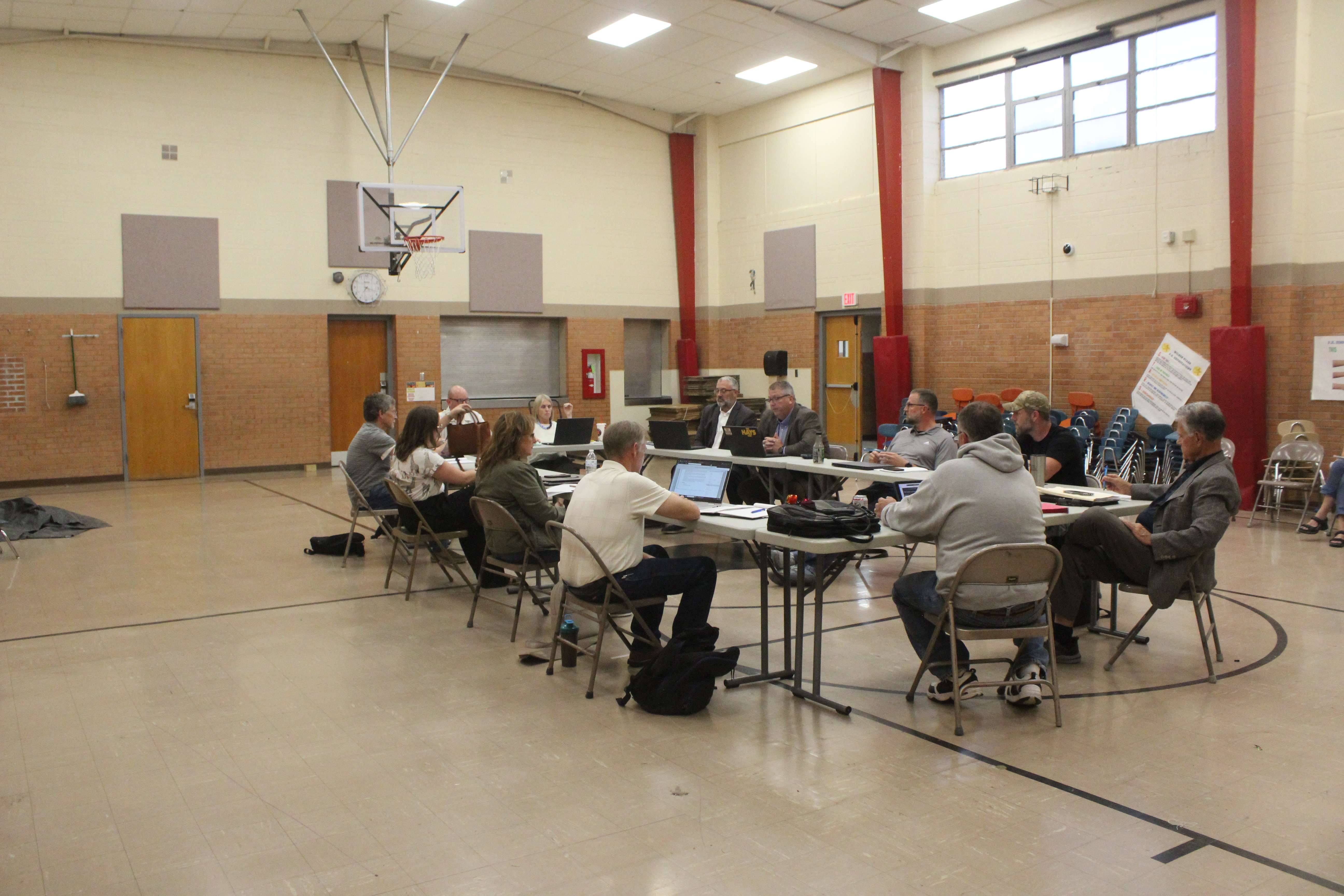
The Hays USD 489 school board discussed more ideas to address chronic absenteeism during its work session on Oct. 5.
Chronic absenteeism for Hays USD 489 in 2024-25 was 16.7%. It increased to 20.67% for the 2025-26 school year.
The state average is 17.87%.
In Kansas, chronic absenteeism for a typical 170-to-180-day school year is defined as missing 10% of school days as unexcused absences or about 17 to 18 days. That also equates to about two unexcused absences per month.
“It's not all kids, but it's just a percentage of kids that are not understanding the importance of being in school. So we're having a ton of conversations with staff about chronic absenteeism and the part that everyone plays in this process,” Ron Wilson, superintendent, said.
Wilson said local schools had daily attendance as high as 97% before the pandemic. Some students had zero missed days.
However, Wilson said the attendance mindset shifted during and after COVID, and schools are struggling to refocus.
He said the elementary schools are sending letters to parents or calling after three consecutive absences or five absences in a semester.
“This is also a parent issue because many times parents are always excusing, and so we might have a kid who misses five in a row, but a parent has called them in and said, ‘Well, they have diarrhea. They have a cough. I'm not sending them today,’” Wilson said.
At the middle and high school levels, parents are called when a student has excessive absences. The parents and students are asked to sign an attendance contract, Wilson said.
Board member Jayme Goetz said she thought the conversations with parents need to become more serious sooner.
Wilson said the last resort is truancy court, with the county attorney filing charges. Truancy court only applies to unexcused absences.
Goetz said she thought school staff also need to discuss absences with parents of students with excessive excused absences.
Wilson said, “It's not just a student issue, and it's not just a parent issue, and it's not just an administrator issue.
“It's a we issue, and we all have to understand that we all own a part of this, and to do what we can to help everyone understand, you're going to be further along if you can get to school.”
He said students sometimes face barriers to getting to school.
Some of the issues that were discussed during the retreat in August included transportation, caring for siblings, mental health issues and family issues.
“We think we do a good job in this district of trying to work through what those barriers are and not let those become obstacles to getting to school,” Wilson said.
Administrators told the board in August they have personally gone to pick up children for school. The state will only reimburse the district for transportation if a student lives more than 2.5 miles from school.
Most of the students riding buses in the district meet this qualification.
Wilson said past estimates put expanding bus routes at $3 million to $5 million per year.
Board President Curt Vajnar asked if absenteeism affects eligibility for activities and sports.
Wilson said it did not.
Chris Hipp, assistant superintendent of business, said keeping students from activities because of attendance becomes a double-edged sword.
Activities, especially for middle school students, might incentivize them to come to school, he said.
Board member Derek Yarmer wanted the district to set a measurable goal for decreasing the chronic absenteeism rate.
“... like an actual number of what we want to reduce it by a percentage or a total number,” Yarmer said.
Goetz said, “At this point right now, I would be happy with a plan. I would be happy with a very concrete plan.”
Wilson said school staff is not necessarily in control of students getting to school.
“We can put things in place, and I think we are putting things in place to try. Some of it's punitive. Some of it is encouraging, but at the same time, if ultimately a parent says, ‘Yeah, I'm not going to send them. I don't think it's important. …”
Board President Curt Vajnar, a former Hays High teacher, said students shouldn’t earn credit for a class if they don’t meet attendance requirements.
“If you do not bring your kid [to school], then shame on you, parents. But somewhere there ought to be a line,” he said.
Yarmer said he thought students who don’t meet attendance requirements should not be able to graduate.
Goetz, a former Hays High teacher, said the students who graduate from Hays High will affect the community in the future.
“You guys want employees that show up every day. You guys want a doctor that's not gonna bail because they're not feeling great,” she said. … “Attendance is important. To be present is important, and I think that we need to find a way to make that more known to kids.”
Craig Pallister, former Hays Middle School principal, said the district’s policy needs to have exceptions for students facing hardships, including mental illness.
Yarmer said, “No, you tell them that you have to be there.”
He added, “We're in the education business. You have to be in class to get educated. We can make some accommodations, but at the end of the day, you're trying to make. ‘I feel sad today, so I'm not going to class.’ That is not acceptable.”
Pallister said, “Some of our kids, it's way past ‘I feel sad.’”
Yarmer agreed there should be exceptions for crises.
“But when the exceptions, when it becomes a trend that like every week we're having two or three days out because of something, that's unacceptable,” he said.
He said he thought the district was being too empathetic.
Vajnar said he wanted the administration to give monthly updates on the steps schools are taking to reduce absenteeism.
Ruder said she also wanted to hear about attendance success stories in the district.
The group discussed soliciting local businesses for incentives that they could give the students for good attendance.
“I think we'll make some progress. I'm confident just because we're putting more attention to it,” Wilson said.