


By CRISTINA JANNEYHays Post
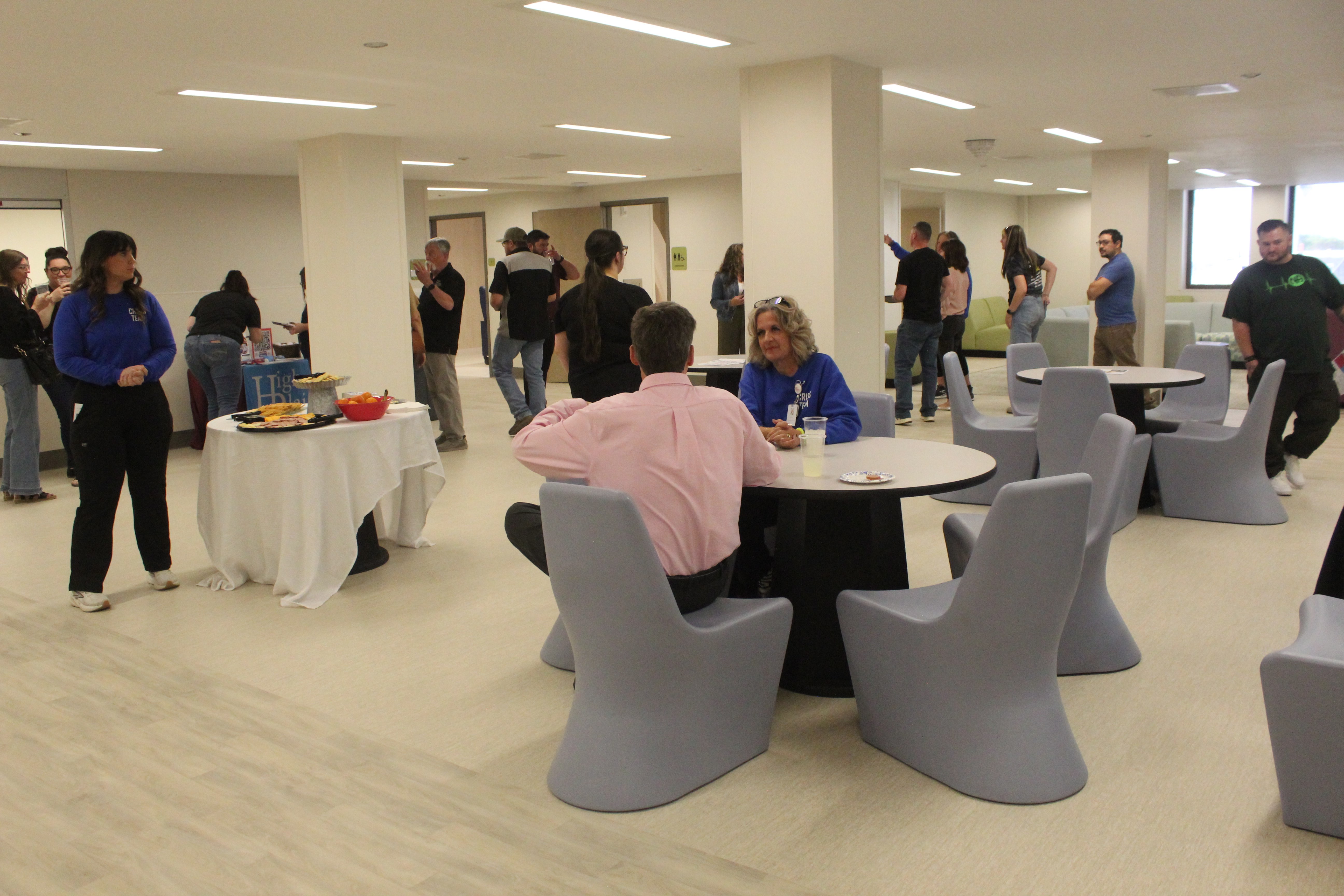
The High Plains Mental Health Center Crisis Intervention Center on the third floor of the Hadley Center, 205 E. Seventh, Hays, is set to open for patients on May 4.
The center will provide acute care for clients facing mental health crises or who need substance abuse sobering.
The facility will be licensed for 16 people. Craig Poe, High Plans Mental Health executive director, said the facility will serve an estimated 800 to 1,000 patients per year from across western Kansas.
"The number of lives we will be able to impact with this facility is really something that we can't measure," Poe said. ...
"The impact of all the people they work around, their families, their friends, their neighbors that are impacted because they are able to get treatment sooner right here at home is what we are really excited about."
The center is only one of three of its kind in the state and the only one west of Newton.
The average stay for patients will be 23 hours for sobering and 72 hours for acute care.
Danielle Lummus, center nurse supervisor, said the facility will take care of the whole person—both physical and mental health needs.
"Mental health is always looked over," she said. "There are so many people out here who have mental health problems whether it be just anxiety, a touch of depression all the way up to suicidal and homicidal ideation.
"We are here to help people work through that so the worst doesn't happen."
The center will take both voluntary and involuntary patients. The higher acuity and lower acuity patients are on separate sides of the facility.
The involuntary patients will come to the center through a separate secure entrance and elevator on the north side of the Hadley Center. The center will also accept patients for referral from mental health professionals, emergency rooms and self referrals.
High Plains Mental Health covers a 20-county region across northwest Kansas. It will provide transportation for patients who need to travel from other areas and will transport people to Larned State Hospital if further care is needed.
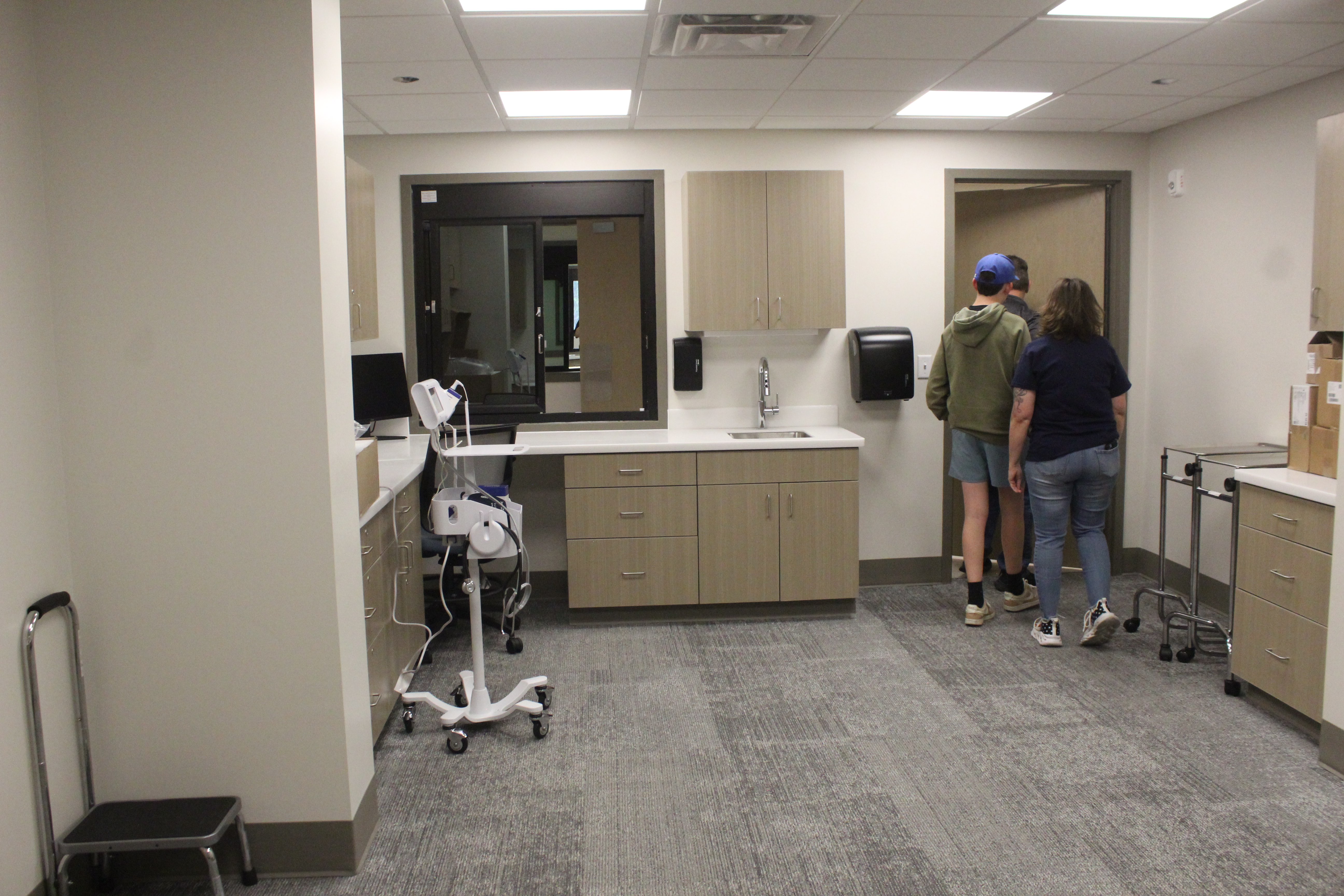
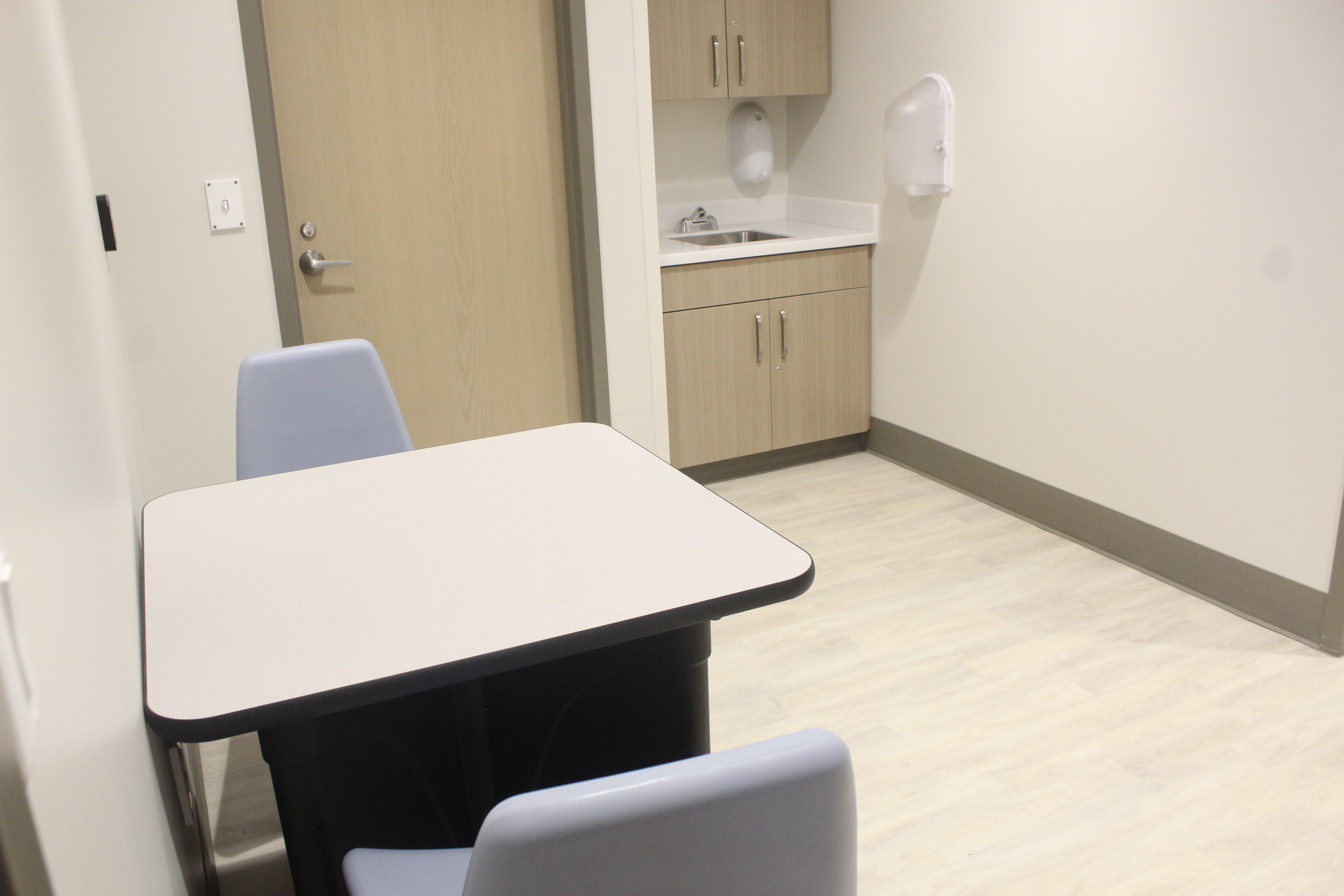
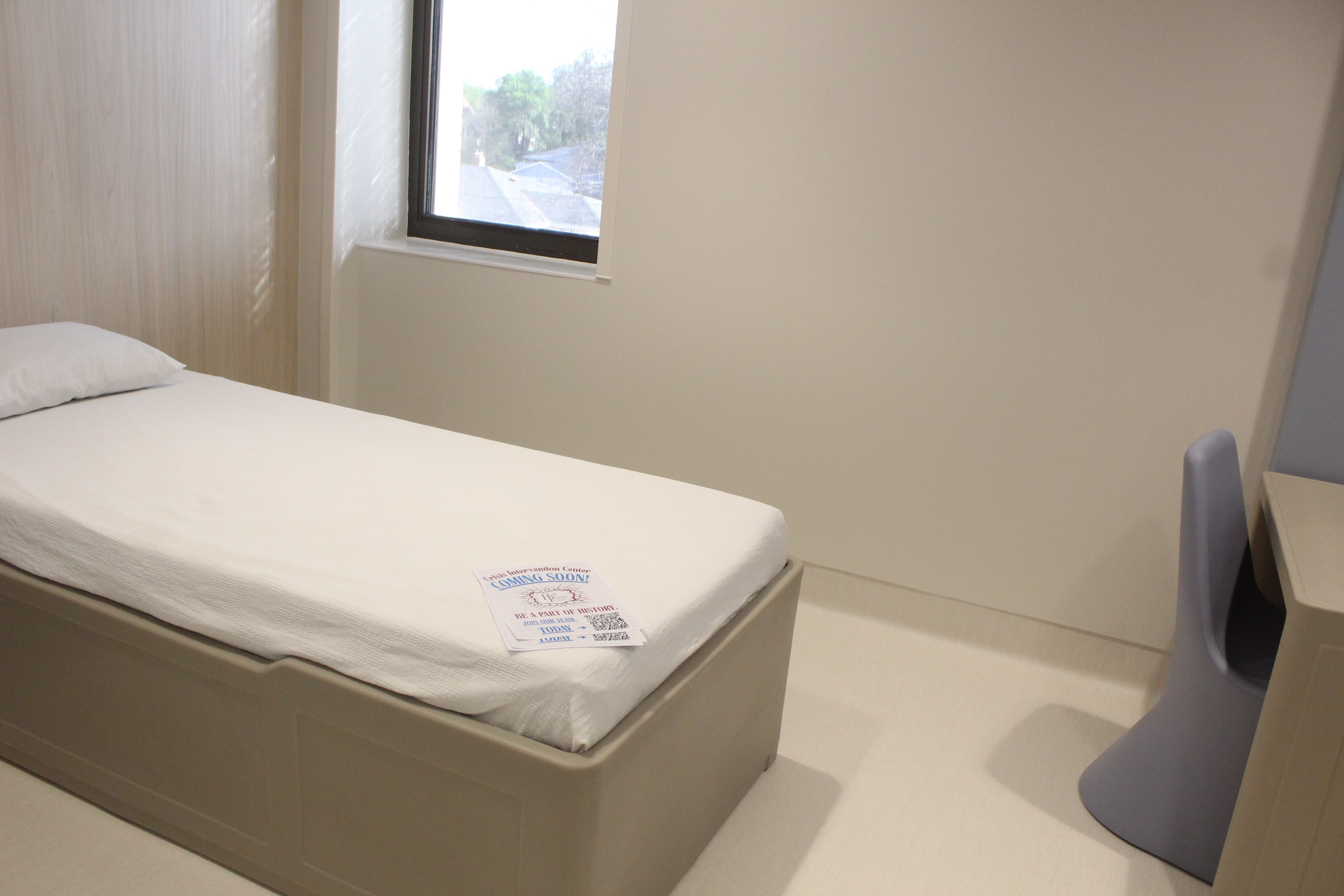
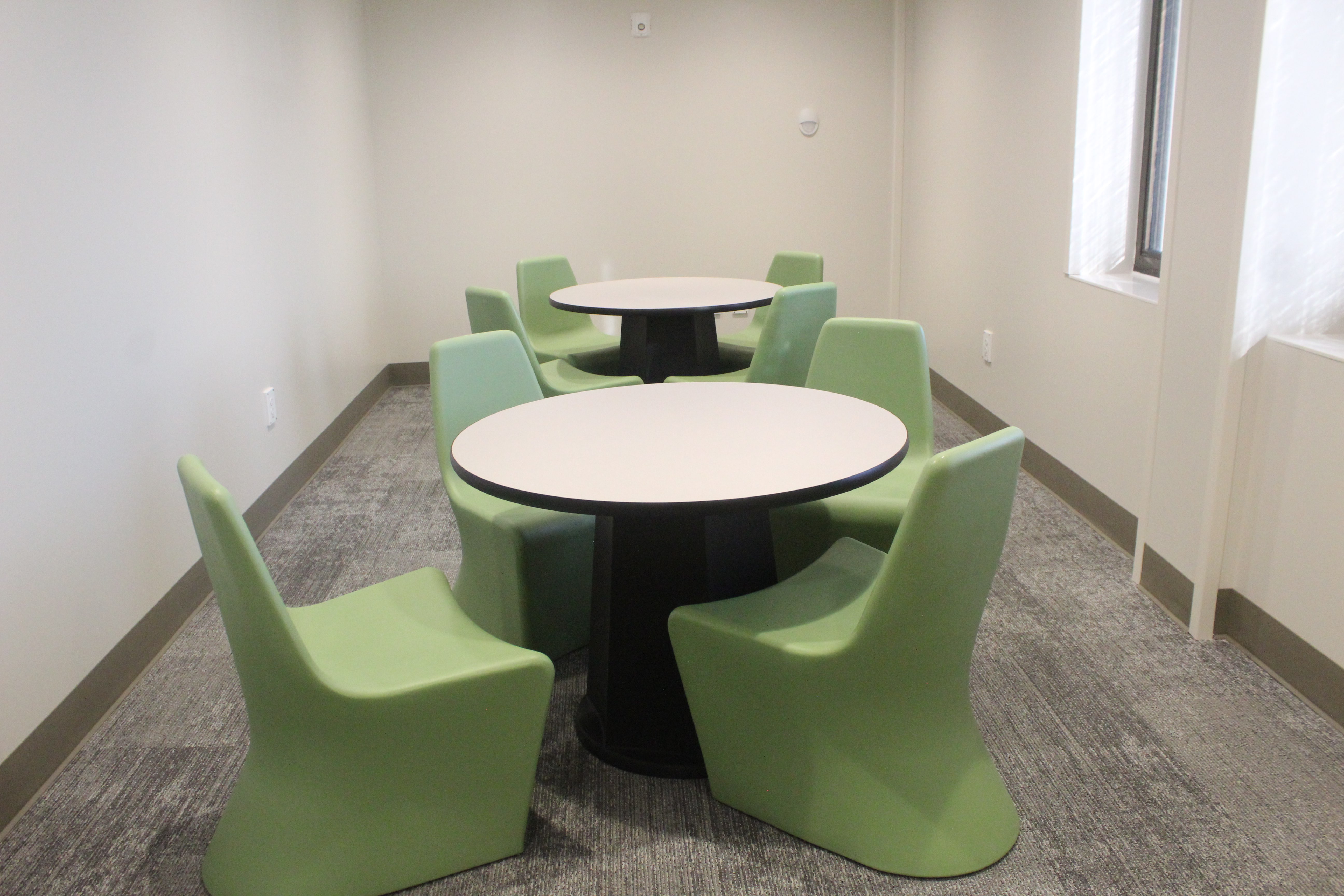
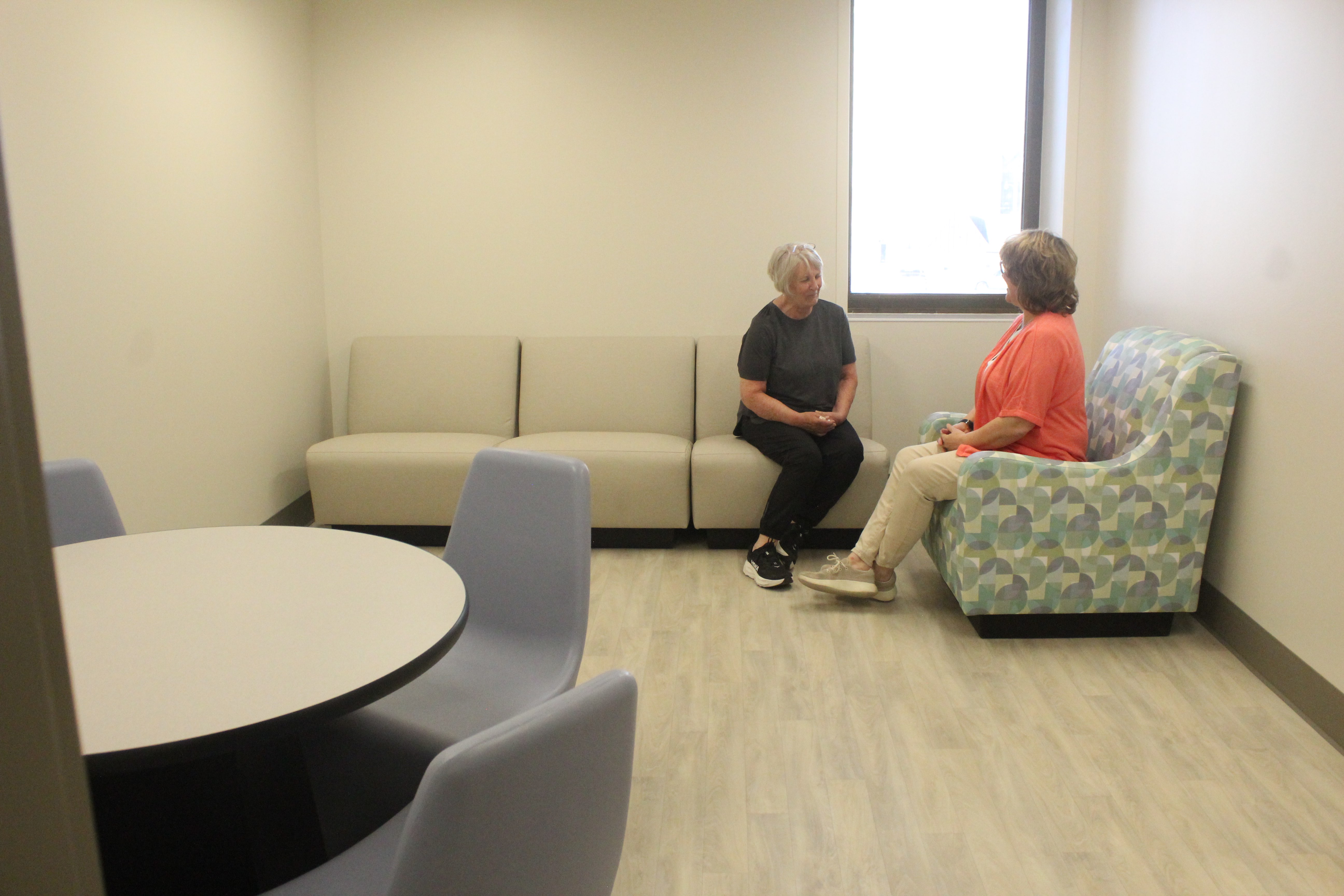
Each of the rooms in the center are single occupancy, but Lummus said patients will be encouraged to spend time in the communal areas, which include comfortable seating, game boards and television.
The facility includes a group therapy room, with group therapy offered daily, as well as a family visiting room.
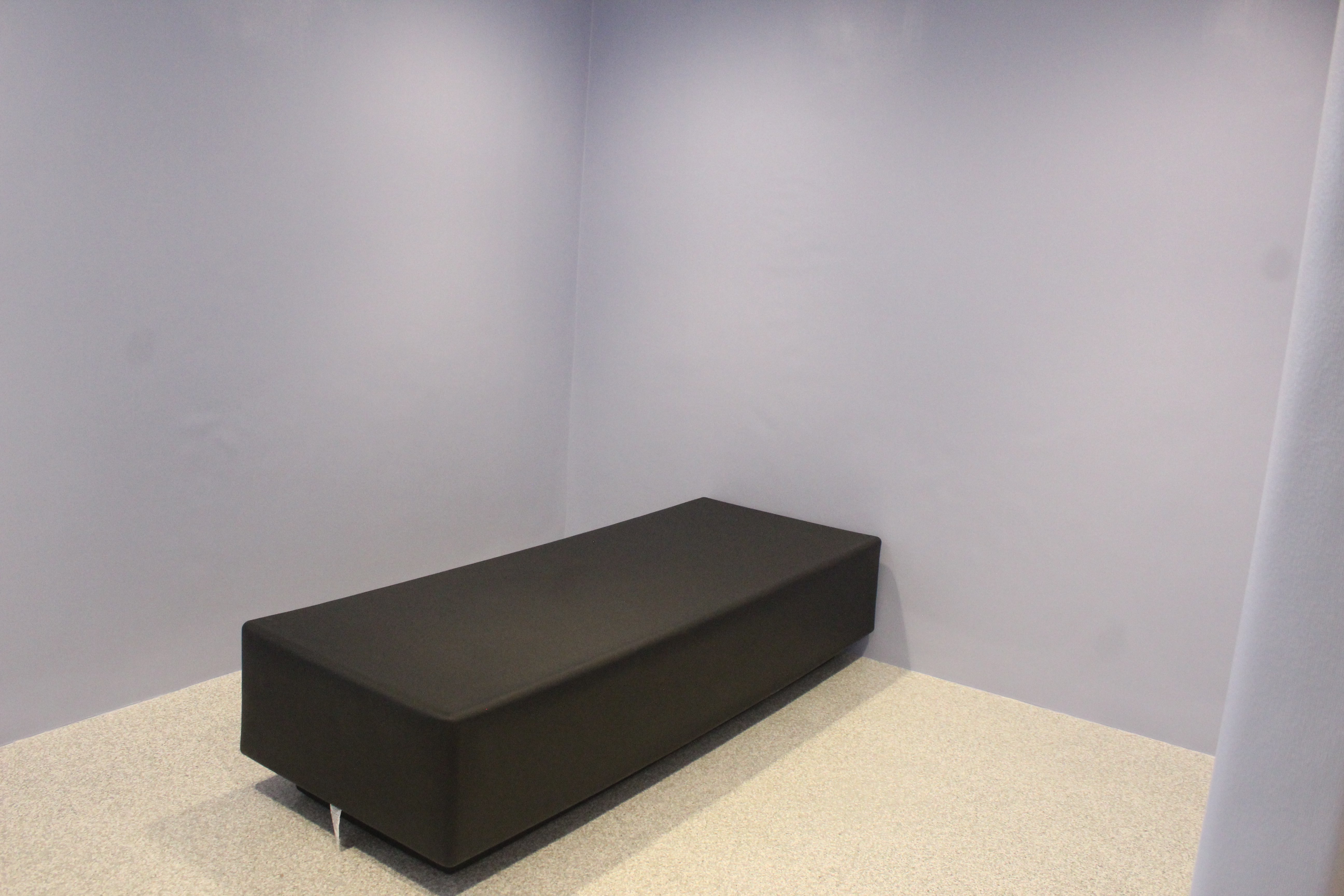
The center has two seclusion rooms, which are padded rooms that patients can use if they need time to calm down. There is a button right outside the room, which must be held while someone is in seclusion to keep it locked. This ensures someone is monitoring the person the entire they are in the room.
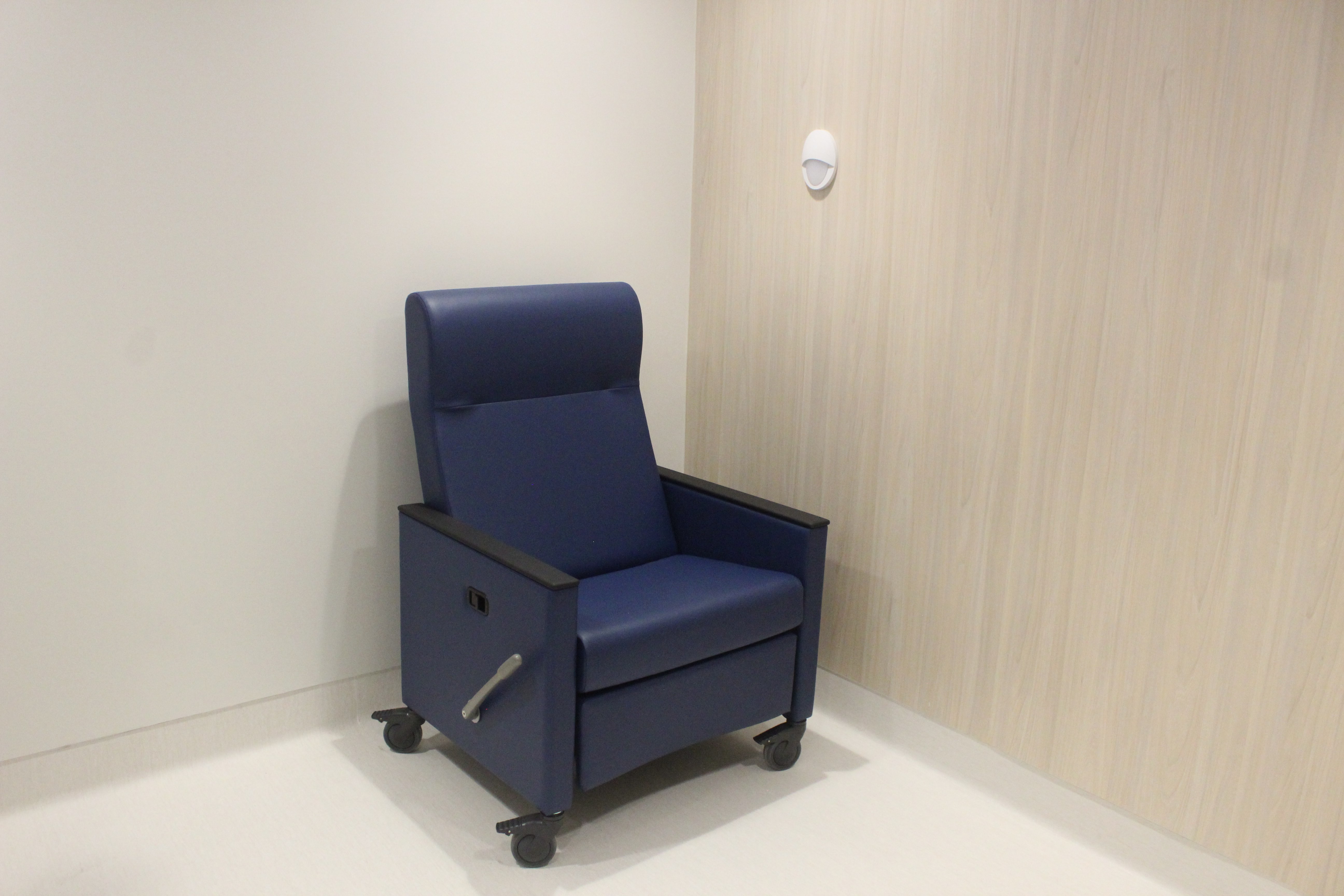
The sobering rooms have recliners, bathrooms and TVs. Patients can receive IV fluids during their stays. Because the patients in sobering rooms stay less than a day and might become nauseated if they lie down, the sobering rooms do not have beds.
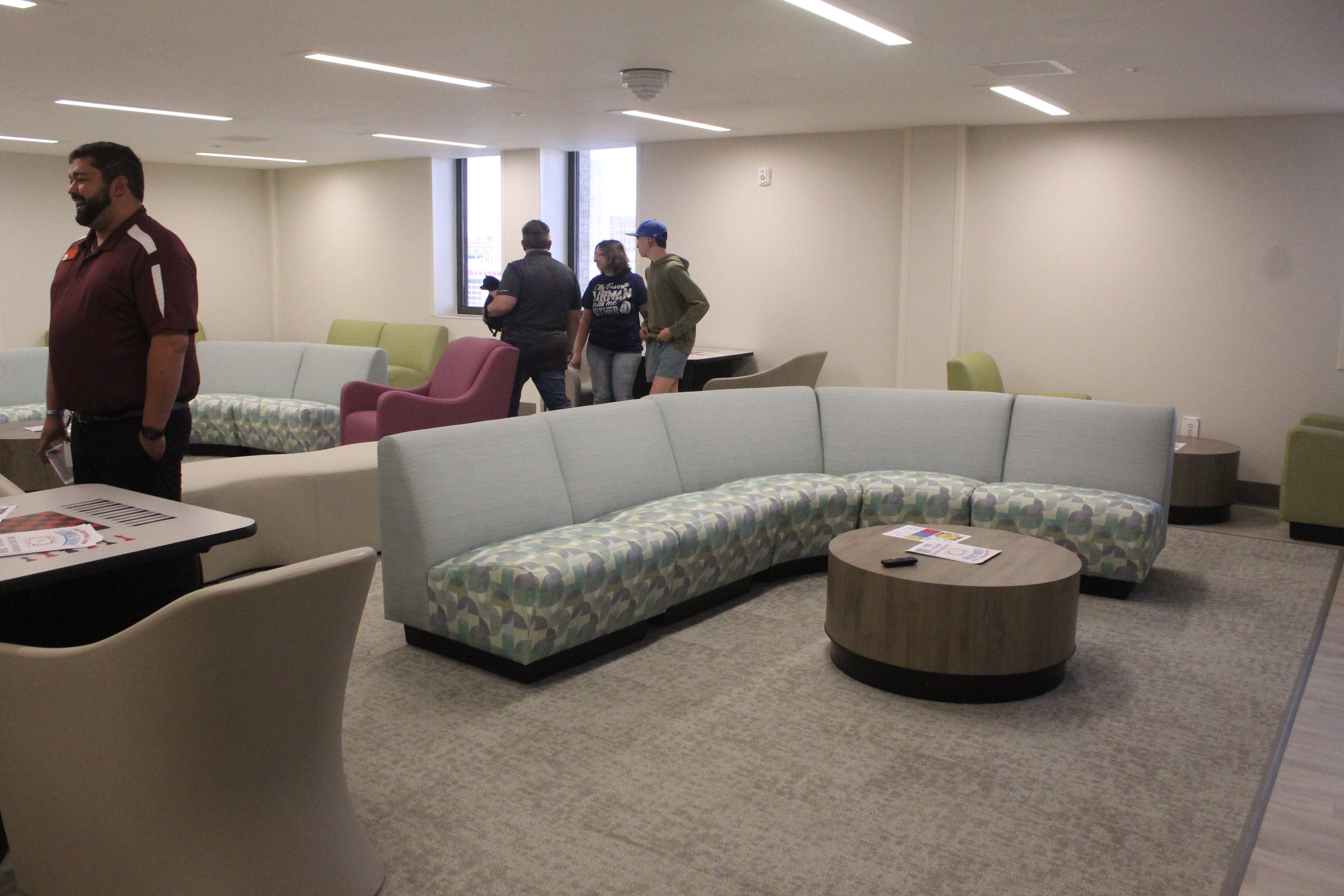
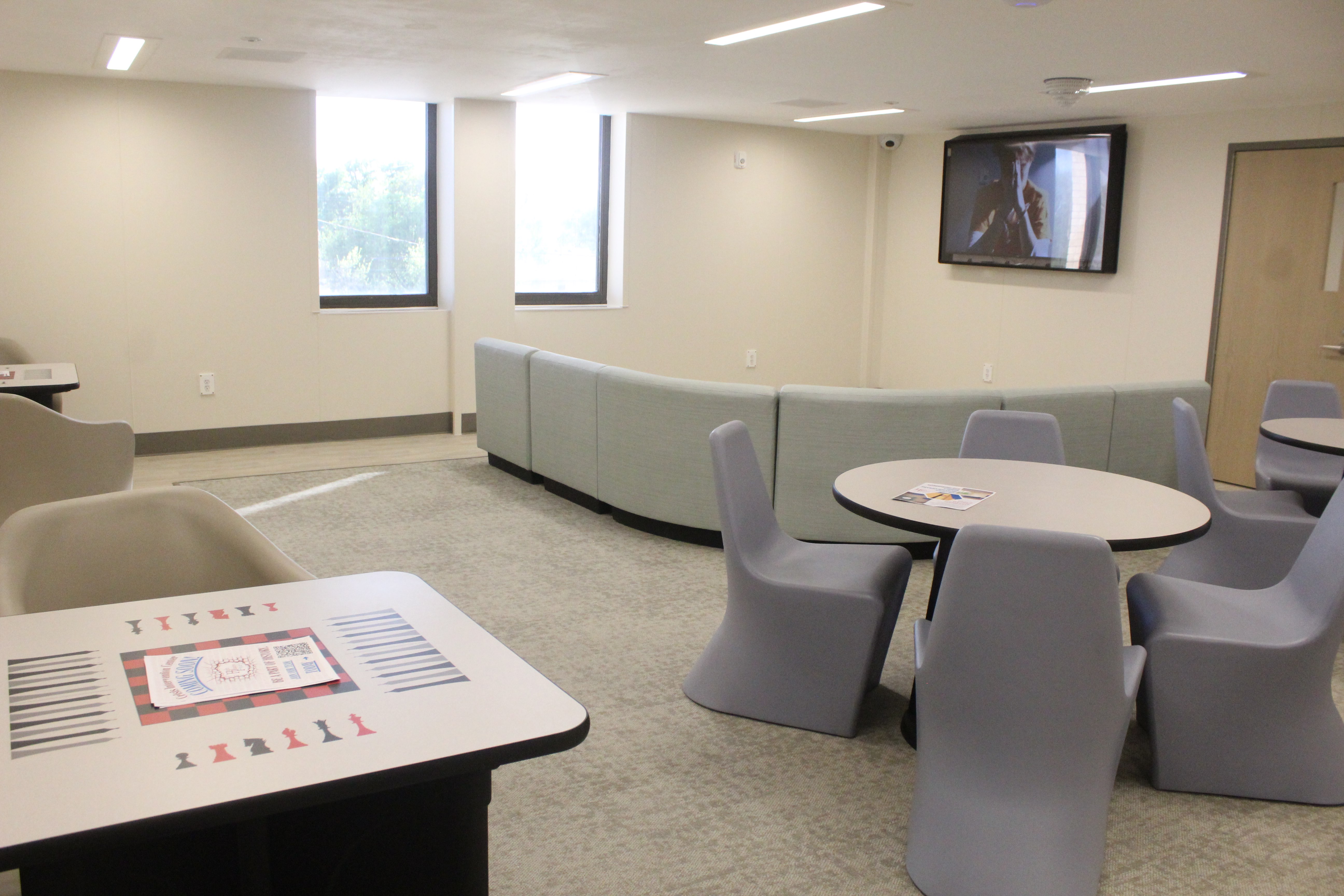
Meals will be catered and served family style. Lummus said she hopes serving off plates instead of trays will create a more relaxed environment.
Lummus said based on the number of patients that High Plains has seen coming to emergency rooms, she said she thinks the demand for the center's services will be high.
The center will accept patients regardless of their ability to pay.
Instead of patients waiting hours or days in a hospital or police station to be transferred to a state hospital, the patients can be treated at the crisis center, she said. If they can be stabilized, they may be released to outpatient services and not have to be transferred for longer term care at a state hospital.
If not enough beds are available at the state hospital, patients can be re-evaluated after 72 hours and may have their stay at the center extended, Lummus said.
The Crisis Intervention Center will be a locked ward. Security will be on staff 24 hours a day, seven days a week. The center has camera monitoring throughout.
Although the facility is secure, Poe said the idea that people who suffer from mental health issues are dangerous is a myth. He said the center has been designed for safety of patients.
"We designed this facility to be an open therapeutic milieu, where you are able to get the treatment you need right here without all of the additional barriers and without some of the stigma of going into an institution or a hospital.
"We want people to come here to get better. That stigma—we have to find people who are willing to speak up. Hopefully some of the people who have seen the facility today see that it's a welcoming environment."
Lummus said the center has enough staff to open but is still needing to hire additional security guards, behavioral health technicians, RNs and LPNs.
Learn more about High Plains Mental Health careers at hpmhc.com/careers.
The center is also still accepting donations. The facility's initial budget was $4.5 million. However, the center's budget increased when it entered the demolition phase.
The project cost $7 million. High Plains is still fundraising to close the gap.
"We had extremely good support from the community and several foundations, but we still have about $1.5 million we are still raising money for," Poe said.
High Plains continues to write grants and is accepting private donations. If you wish to donate, you can do so at donatehighplains.com/
A ribbon cutting and grand opening will be at 1:30 p.m. Thursday, April 30. No reservations are required, and tours will be offered.