


By CRISTINA JANNEY
Hays Post
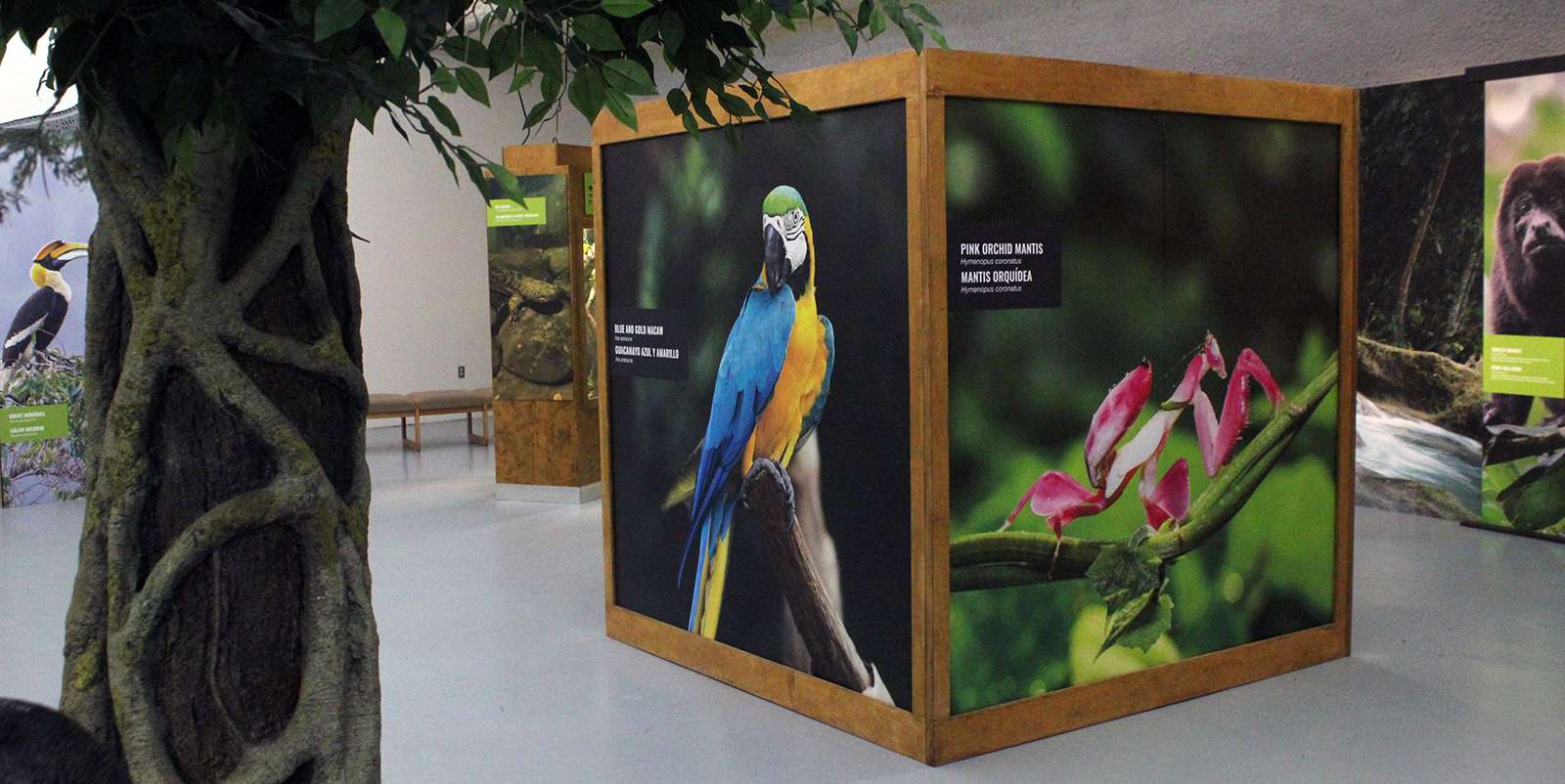
The Sternberg Museum of Natural History in Hays is featuring "Under the Canopy" this summer and fall.
The traveling exhibit from Little Ray’s Reptile Zoo features live animals from the world’s rainforests. The zoo is a wildlife rescue for exotic animals. Those animals have been used to form multiple traveling educational exhibits.
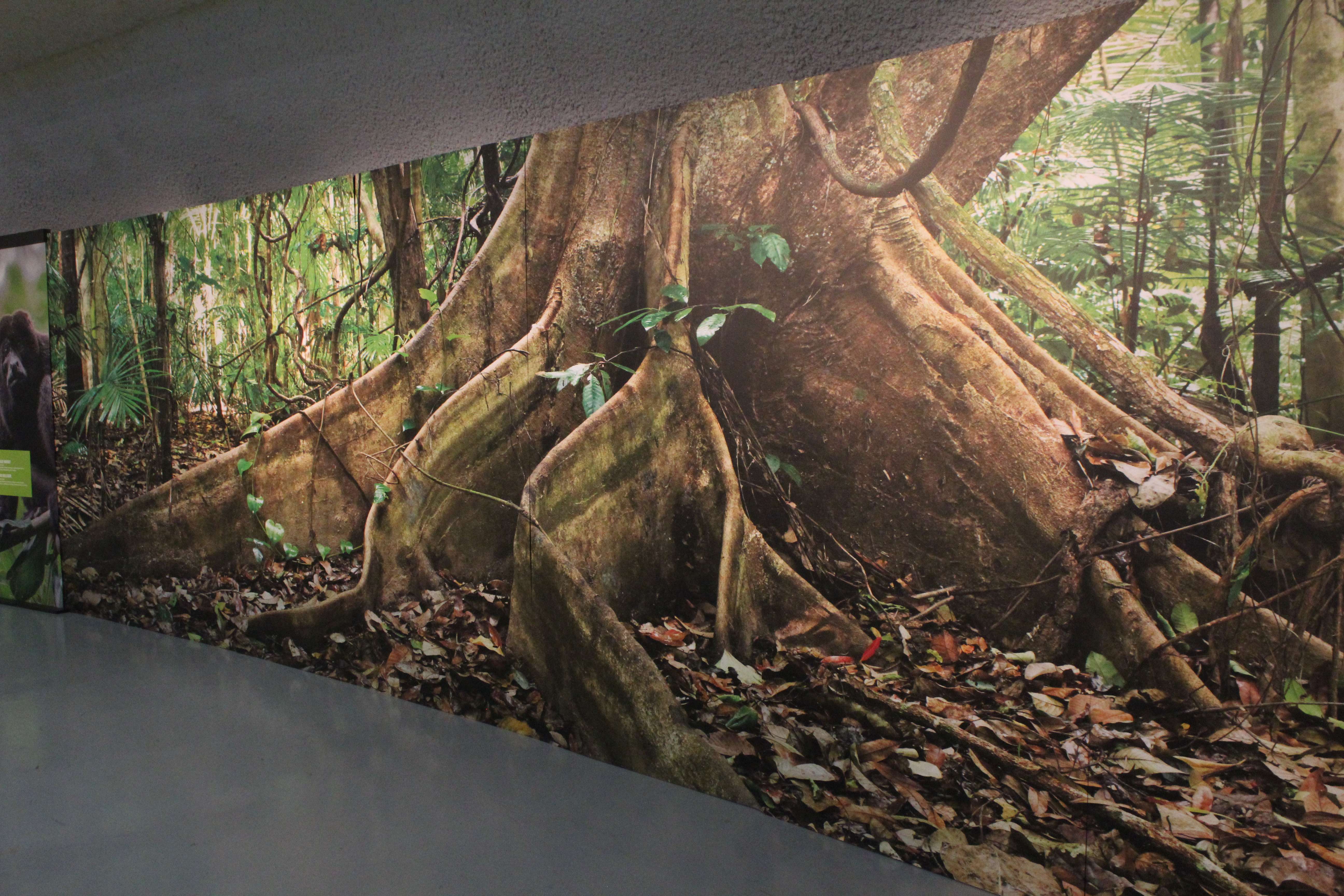
Reese Barrick, Sternberg Museum director, said a full-wall mural gives the impression of being immersed in the rain forest.
“The nice thing is that you can almost take a bench and feel you are in an actual rain forest,” he said.
Most of the museum interpretive displays are in English and Spanish.
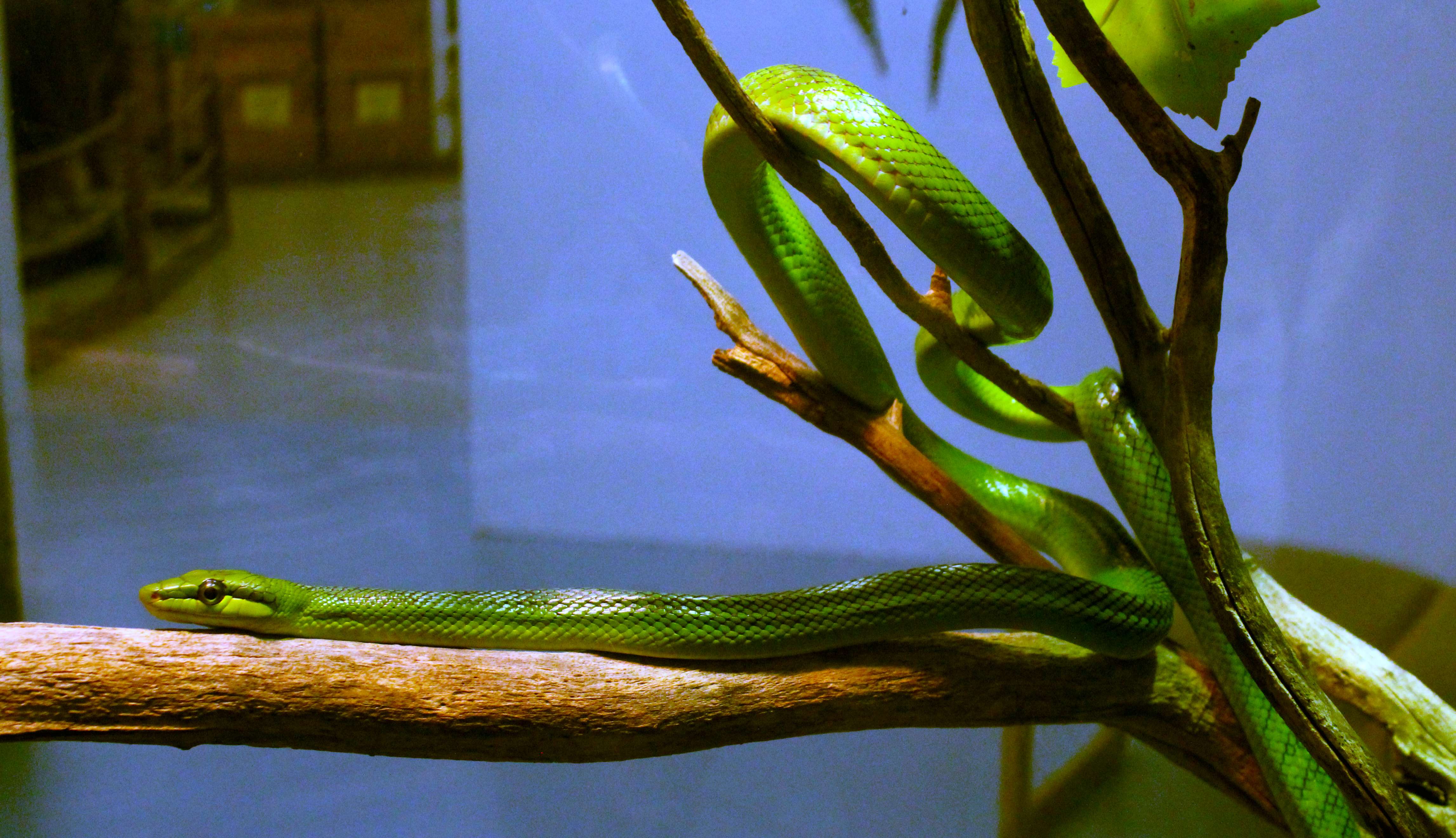
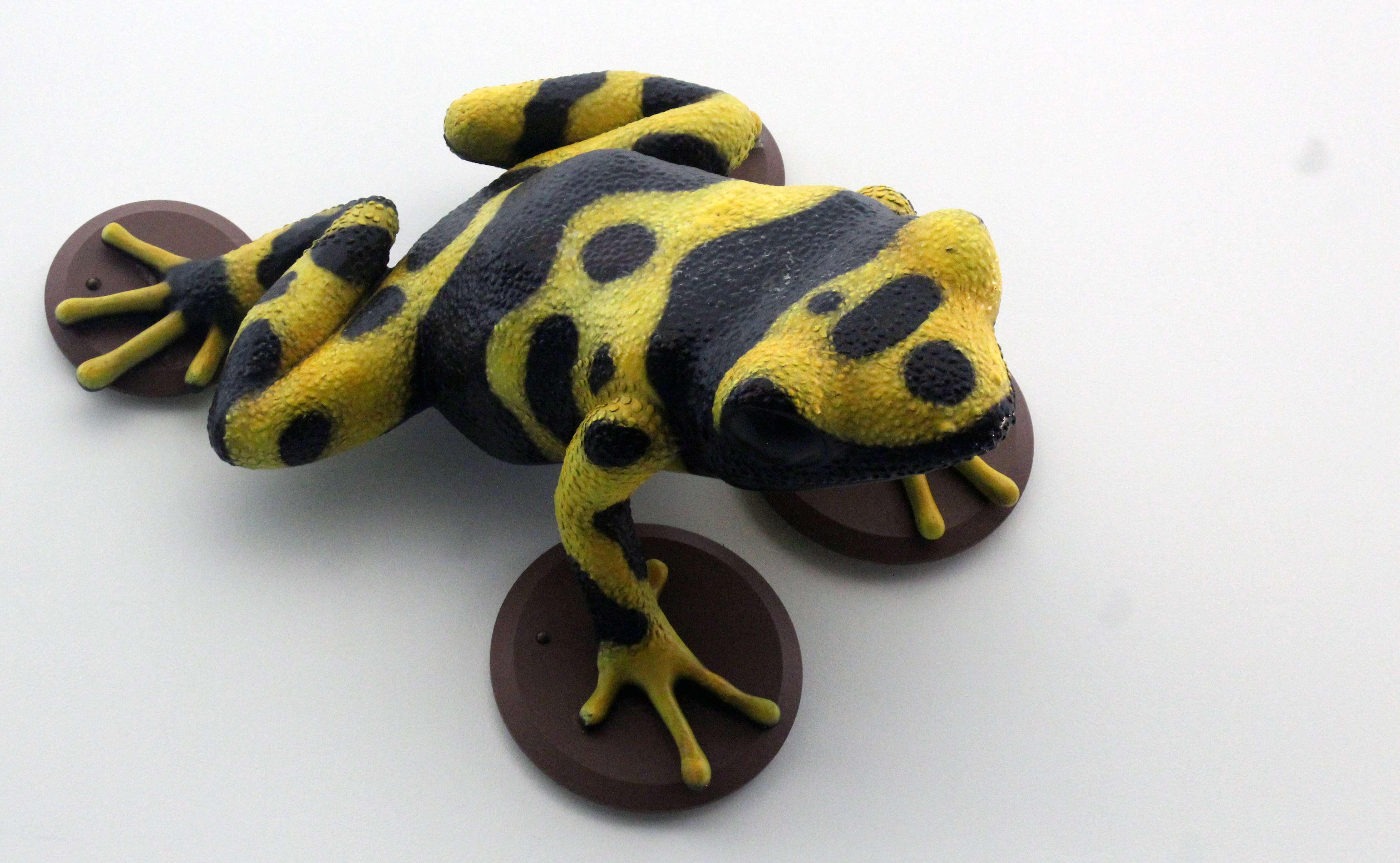
The animals on display include the dumpy tree frogs (That’s not an insult. That’s what they are really called.), crested geckos, a southern banded armadillo, a red-tailed green rat snake and a tarantula.
Many creatures in rainforests are threatened or endangered. However, none of the species on display in the exhibit are.
Barrick said a great deal of habitat destruction has occurred in recent decades.
“One of the things we are starting to see is less destruction and some more replanting and reinvigorating growth in rainforests because of the amount of education that has gone on,” he said. “And people understanding how important the rainforest is to the amount of oxygen that is in the air and diversity.”
Rainforests contain a diversity of animal and plant life found nowhere else in the world, Barrick said. Some substances from these animals and plants are used in medicine and medical research, he said.
Rainforests are highly interconnected.
As you go further north, animal species tend to be more generalist, Barrick said.
“You see a fox that can eat this, this and this,” he said. “Plants, they can grow in California. They can grow in Kansas. They can grow in North Carolina.
“In the rainforest, things become so specific. You have one species of insect that only eats one species of plant, and one type of bird that only eats one species of insect that eats only one type of plant.”
Barrick said, “If you wipe out a few species, nothing is going to survive.”
Removal of rainforests for cash crops, such as palms for palm oil, leaves small pockets of habitat for animals, such as monkeys.
Those pockets are not large enough to sustain the animals. They need larger areas or corridors of habitat, Barrick said.
“They are going to go extinct because they can’t expand the population,” he said.
He added, “There is the importance [of rainforests] for the animals and the plants themselves, and then there is the importance for the whole planet.”
He said rainforests are important for all of humanity to survive.
“It’s a hugely important biome. Even though we are not living in one, it’s important for us,” Barrick said.
Some of the species on exhibit come from the South American rainforest, but Washington state also has temperate rainforests, and southeast Asia and Thailand have tropical rainforests.
“They are all suffering from the same thing. If you go to Southeast Asia, the rainforests are being chopped down, so we have orangutans ready to become extinct, because we are putting up palm trees for palm oil, ” Barrick said.
How to help rainforests
Barrick said you can help the rainforest by purchasing sustainable products—wood flooring that is sustainably harvested, eco-friendly chocolate, and beauty and food products that do not contain palm oil.
You can learn more about palm oil from the World Wildlife Federation.
Reducing your carbon footprint is also important, he said.
"Climate change is affecting every place," Barrick said. ... "In Hays, we are really good about conserving water, but we also have to look at our energy production, and what we're pumping back into the atmosphere
Barrick said the children who have visited the exhibit have enjoyed viewing the animals. The armadillo can be particularly active.
Children can pose on a large tortoise figure or next to a life-size gorilla for photos.
The exhibit will be open at the Sternberg through November. The exhibit is free with general museum admission.
Read more on planning your visit here.
What else is happening at the Sternberg
Libraries across the state are using the "Unearth a Story" summary reading program theme. A graduate student affiliated with the Sternberg is traveling across the state, giving presentations on dinosaurs as part of a thesis project.
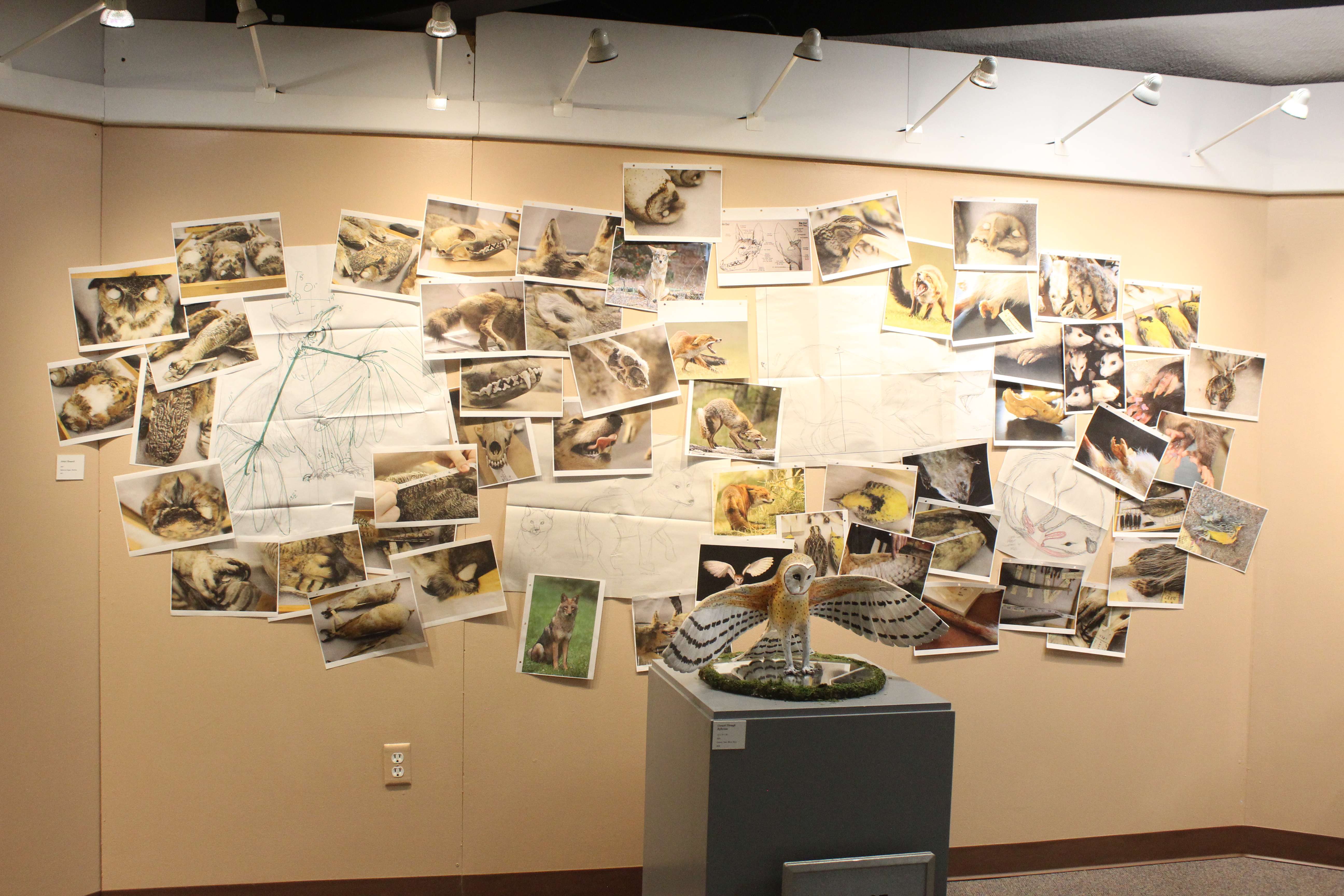
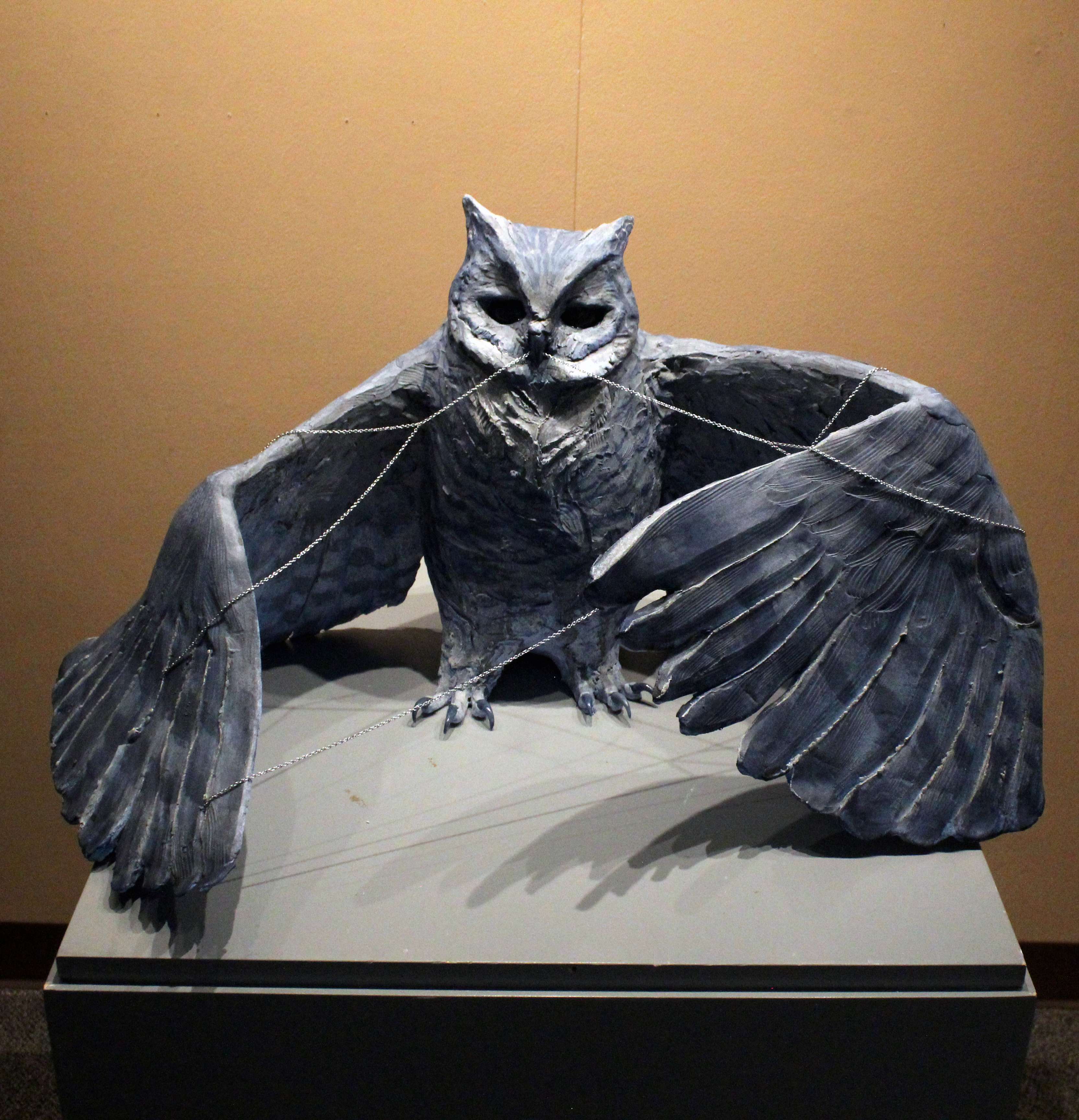
The Sternberg is also hosting an animal art exhibition from Fort Hays State master of fine arts student, Rylie Hazleton.
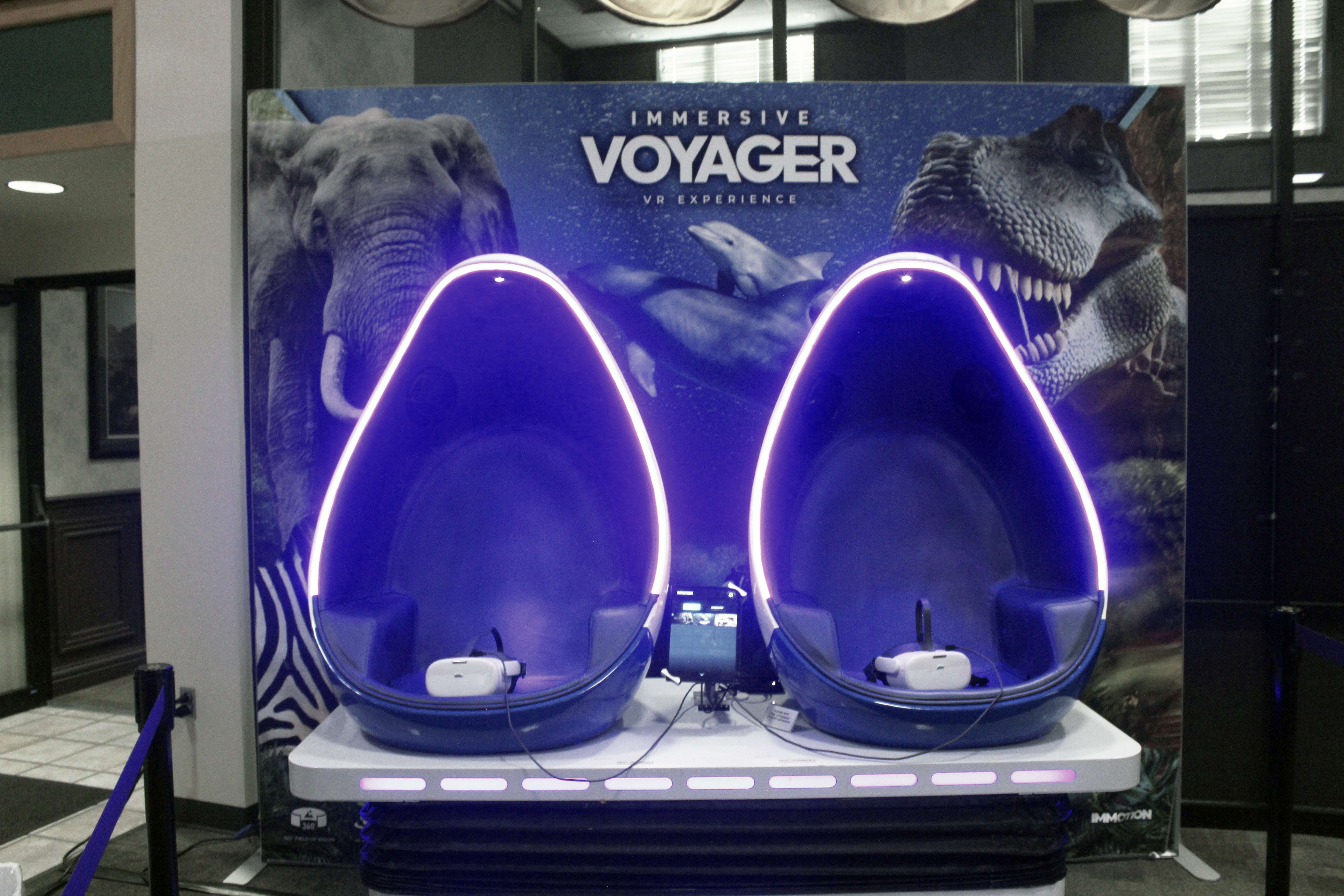
Also new to the Sternberg are three seven-minute virtual reality experiences on the dolphins on the reef, the dinosaur experience and the African migration.
The viewer sits in an open, egg-shaped pod that moves, giving the sense of swimming through the ocean or flying through the air over Hell Creek, Montana, 66 million years ago.
One virtual reality experience is included in admission, or you can visit the museum just for the virtual reality experience and pay $7 per experience.
The Sternberg is leasing the virtual reality pods.