


The Hays Post contacted the candidates running in the Republican primary on Tuesday, Aug. 4 for representative in the Kansas House for the 110 District seat. This seat includes parts of Ellis County, excluding Hays and Victoria, as well as Graham, Norton, Phillips and Rooks counties.
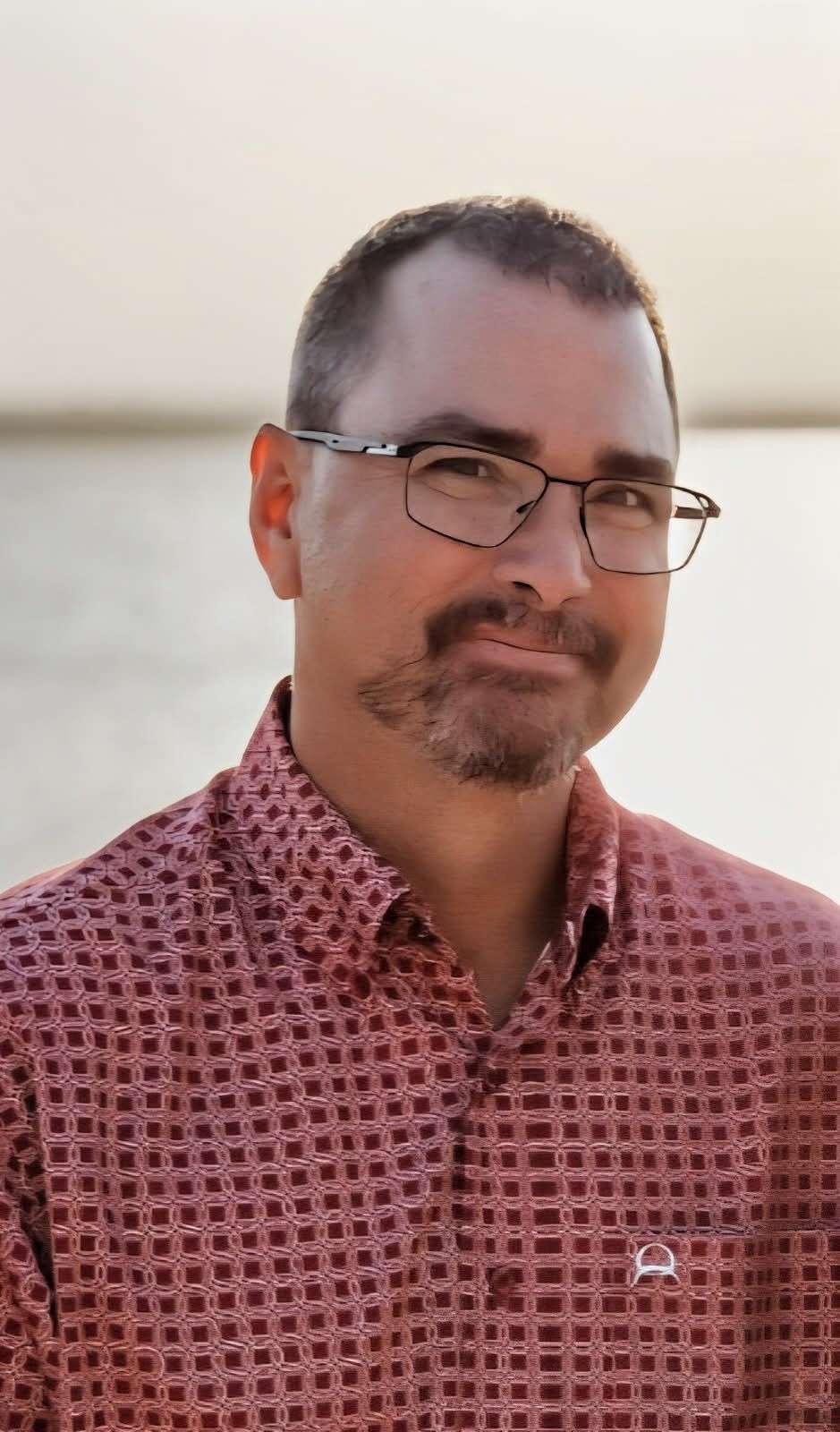
How would you ease the tax burden on Kansans? Please specifically address property taxes.
Property taxes are one of the top concerns I hear from citizens. I support a system where the state provides additional support to local entities that demonstrate fiscal responsibility.
For example, cities and counties, that limit annual growth in property tax revenue to 1.5% or less, excluding revenue from new construction, would be eligible for these state funds.
This incentivizes fiscal discipline while providing relief for existing taxpayers. We must also be honest: long-term relief requires prioritizing existing state dollars and making difficult budget decisions.
My priority is to deliver sustainable relief while ensuring essential services remain strong.
In the end, we have to come up with a way to give local land and homeowners property tax relief, and I am committed to working with whomever to develop a plan to implement property tax relief.
What should the Legislature do about special education funding and teacher recruitment, especially in rural districts?
I support state reimbursement to school districts to cover the excess costs of providing mandated special education services.
Whether the final funding level follows the current 92% statutory goal or a target established under a new school funding formula, my commitment is to ensure the state provides a fair, predictable and sustainable level of support.
Our schools should never be forced to choose between meeting the mandated needs of students with disabilities or giftedness and the needs of their general student population.
My goal is to ensure these funds reach the classroom where they can have the intended impact on student success, rather than being diverted elsewhere.
Regarding teacher recruitment and retention, some policies must be set at the state level, while others should remain under the authority of our local school boards.
We need to eliminate unnecessary tasks so teachers can focus on what they do best: teaching in the classroom. Ultimately, the best way to recruit and retain teachers is to make our communities attractive places to build a life.
This includes ensuring our families and educators have access to reliable, affordable child care. By lowering the tax burden, ensuring access to quality rural health care, increasing the supply of available, affordable housing and supporting competitive wages, we can make it easier for educators to put down roots and stay in western Kansas.
What should Kansas do to address long-term water supply challenges, including aquifer decline and aging water infrastructure in western Kansas?
I believe our local, volunteer regional advisory committees and groundwater management districts should lead the way in managing our water supply.
They should develop actionable plans with measurable results, and I would support legislative action and funding recommendations that help implement solutions and sustain our water resources.
On infrastructure, we must maintain strong state support. The Legislature has created grant programs to help low-population areas replace aging water infrastructure.
My priority is ensuring these programs are focused on smaller, rural communities that need this support to secure a reliable, long-term water supply, rather than allowing these dollars to be captured by larger entities that have greater resources to fund improvements on their own.
How would you help rural hospitals and clinics remain financially stable while maintaining access to care close to home?
I believe we must be fiscally responsible while ensuring our local clinics and hospitals remain stable.
It is a real concern when we see medical services closing in rural Kansas. I support exploring practical, fiscally responsible funding models to keep these doors open.
I would also push for fair insurance reimbursement rates. iIt is not right that rural facilities are often paid less than urban facilities for providing the same care.
How would you address housing shortages and child care availability, particularly in your district?
I would encourage innovation in housing by leveraging both state and new federal tools, such as the 21st Century ROAD to Housing Act, to speed up construction and maximize existing resources.
This includes developing workforce rental housing, such as apartments and townhomes, to provide affordable options for the young professionals and single workers who are vital to our local economy.
If changes are needed to existing policies or additional tools are required, I would advocate for those solutions.
Additionally, now that the state has established the Office of Early Childhood, my expectation is that it operates as a partner to rural Kansas, not just as a regulator.
The office should collaborate with local providers to solve problems and remove barriers rather than simply enforcing check-the-box regulations.
What local issues in this district deserve more attention in Topeka?
One of the biggest challenges is that policies designed around urban areas do not always account for the different economic realities of rural communities.
Our economic systems are different, and the widening disparity is not just about income; it is about the things needed for people to enjoy daily life.
We must invest in the quality-of-life amenities that make our towns places where people choose to stay, whether that means supporting local parks and recreation, creating community hubs or ensuring our towns remain active, welcoming places for families to gather and enjoy the rural lifestyle.
This is not a luxury line item, but rather an essential expense to maintain our current workforce and educate and recruit our future workforce.
When we lose the local carpenters, plumbers, mechanics and other workers needed for everyday life, it makes it harder to live here.
I want to shift the focus to building rural resilience: prioritizing vocational training that keeps skilled trades workers here and fighting to ensure state economic development funds are not simply funneled into urban areas.
Is there any legislation that you would specifically consider authoring or co-sponsoring in the spring 2027 session?
Voting is the foundation of our democracy. While I have always advocated for local officials to be efficient with taxpayer dollars, a person’s ability to vote on Election Day should not be made more difficult because of where they live within a county.
Efficiency that prevents a taxpayer from participating in the very government they fund is not efficiency; it is a barrier to participation.
As such, I would author legislation requiring an adequate distribution of voting locations throughout the county. This has been a longstanding part of ensuring accessible local elections, and it should continue.
Ward is running against Max Dibble and Marvin Matchett in the Republican primary. Matchett did not return the Hays Post questionnaire. The winner of the primary will face Democrat Mark Schaukowitch in the General Election in November.