


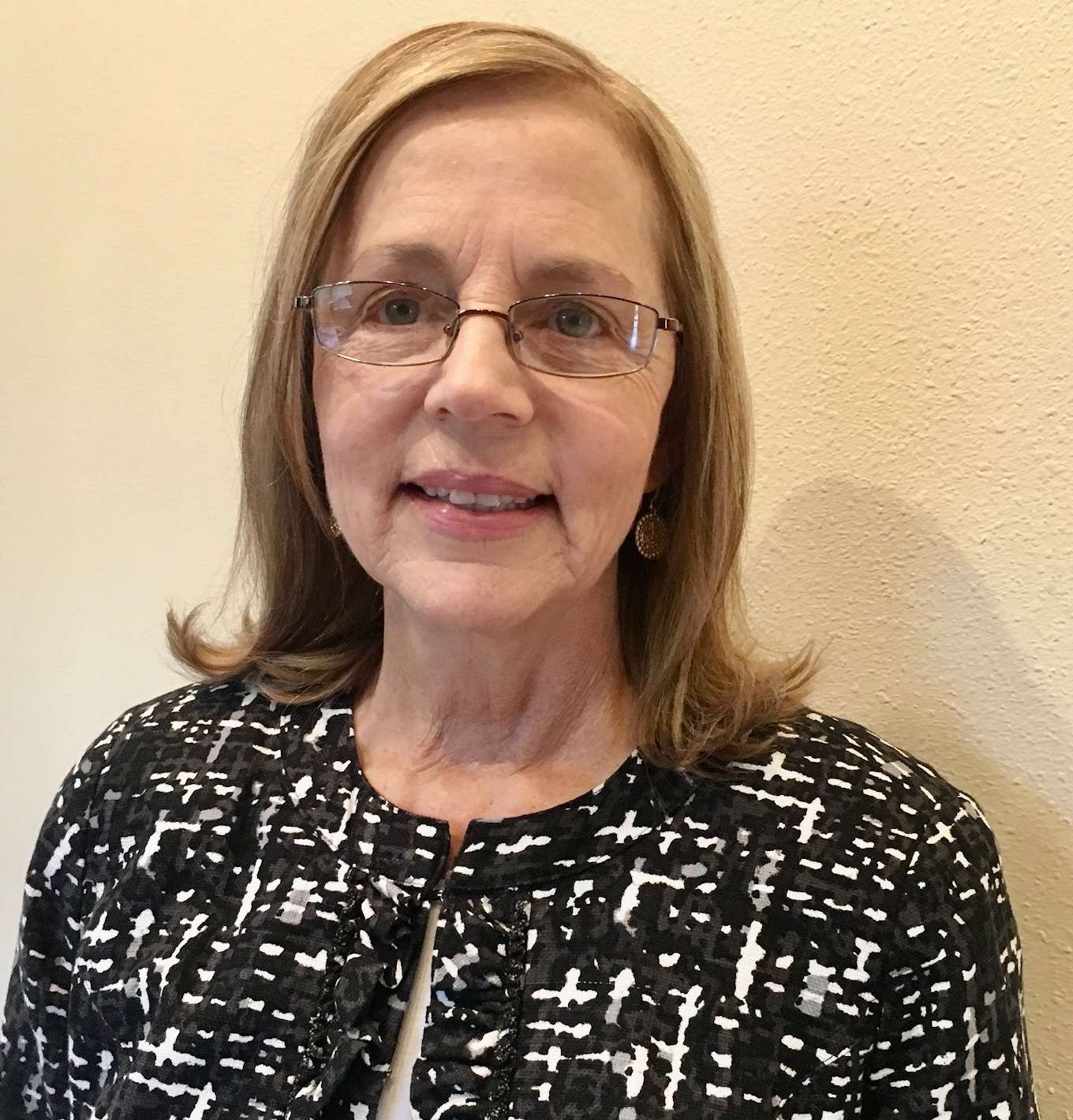
Party: Republican
Age: 75
Profession: Retired
Qualifications. - I currently serve as a Garden City Community College trustee and have also served on the Garden City Board of Education for 10 years and on the Kansas State Board of Education for 4 years.
I am a certified Kansas teacher and a former college instructor and have a special education master's degree from Fort Hays State University. I'm a retired Air Force officer and attorney with 30 years service as a judge advocate in the United States Air Force.
I am married to Dr. Bill Clifford, an ophthalmologist with Fry Eye Associates in Garden City and a state senator for District 39 in southwest Kansas. We’ve been married for over 40 years and we have six children and four grandchildren.
What should be the top priorities of the board in 2027?
Top priorities for the board in 2027 should include:
1. Academic Excellence and Student Success-Improving student achievement must be our highest priority. We need to strengthen foundational academic skills, support early learning and ensure every student graduates prepared for success in college, technical programs, the workforce or whatever path they choose.
2. Recruitment, Retention, and Support for Teachers and School Leaders - To have great schools, we must have high quality teachers and effective leaders. Recruiting and retaining qualified educators, especially in rural Kansas, and providing the training, resources and classroom support they need are essential to improving student learning.
3. School Funding and Fiscal Responsibility - With the school finance formula under review in 2027, we must ensure adequate, appropriate and equitable funding that recognizes the unique challenges of rural schools and the requirements of state and federal programs. Taxpayer dollars must be used efficiently, transparently and effectively to improve the achievement of all students.
4. Parent Involvement and School–Community Partnerships-Parents are their children's first and most important teachers. Strong communication and partnerships with families, schools and communities are essential because students are more successful when learning is supported both at home and at school as well as by the community.
5. Local Control-Kansas schools and communities all have different needs and challenges. Statewide expectations should focus on student achievement while allowing locally elected school boards the flexibility to make decisions that best serve their students and communities.
6. Accountability and Transparency-Parents and taxpayers deserve to know that schools are producing meaningful results and education dollars are being spent responsibly. Transparency in school policies, spending and educational outcomes builds public trust and helps ensure decisions remain focused on improving student learning.
What do you think Kansas can do to raise reading, math and science scores?
Improving reading, math and science scores must be a top priority for Kansas schools. We need to strengthen early childhood education so students enter kindergarten ready to learn, build strong foundational skills in reading and math, and identify students who need additional help before they fall behind.
Initiatives like the Kansas Blueprint for Literacy, which emphasizes the science of reading, are important because strong reading skills are essential for success in all subject areas.
We also need effective, evidence-based instruction, well-prepared teachers and hands-on learning opportunities that strengthen critical thinking and problem-solving skills.
The new bell-to-bell student device restrictions should also help reduce distractions and increase the time students are focused on learning.
We should review frequently to determine what is working and make changes if necessary. In addition, we need to ensure teachers are provided with the professional development, training and resources they need to be most effective in the classroom. I believe that these changes will help ensure the solid academic foundation that every student needs and deserves to both reach their highest potential and to be prepared for success in school and whatever path they choose after graduation.
What do you think the state can do to address teacher and staff shortages in Kansas, especially in rural areas?
We must prioritize the recruitment and retention of teachers and school staff and provide the support they need to be successful in their positions.
Recruitment often starts with Grow Your Own programs which are one of the most promising ways to address teacher shortages, especially in rural Kansas.
These programs help local high school students, paraprofessionals and other community members become qualified teachers, through partnerships with colleges and universities.
Investing in people who already have roots in our communities can help schools build a stronger, more stable teacher workforce and creates career opportunities for community members.
In addition, districts can establish relationships with colleges and universities and offer practicum opportunities and classroom experiences to students in teacher training programs which may attract more applicants for open positions in the future.
Retention of teachers can also be enhanced by competitive compensation, mentoring, meaningful professional development and incentives to teach in rural areas. Retention of current teachers and staff may also be improved by reducing unnecessary administrative burdens and providing classroom resources, paraprofessionals and other support staff so teachers can focus on teaching and student learning.
Schools are successful when they have great teachers, effective school leaders and dedicated support staff. We need all of these to ensure every Kansas student, whether they live in a rural or urban area, has access to qualified, well-supported teachers who can help them learn and succeed.
Do you think the state’s cell phone policy is helping students? Please explain.
I believe the bell-to-bell cell phone policy will help students by reducing distractions and creating a learning environment where students are more focused, attentive and engaged in classroom instruction.
This policy also benefits teachers by reducing interruptions and the need to redirect students, and allowing for more instructional time to focus on teaching and helping students master academic content.
I support the policy's goals and would like to see local school boards have reasonable flexibility in implementing the policy so they can address parent communication, appropriate health and safety exceptions, and the unique needs of their communities.
As schools implement the policy, we should evaluate its effectiveness and make adjustments where needed. The ultimate goal is not simply to restrict cell phones, but to improve classroom learning, support teachers and increase student achievement.
Do you think the Kansas Board of Education should have a policy on AI? If so, what should that be?
I believe the Kansas State Board of Education should establish a policy on artificial intelligence as a part of its ongoing discussions about instructional technology in our schools.
AI is an increasingly used in business and industry, and students need age-appropriate opportunities to learn about AI and how to use it ethically and responsibly so they will be prepared for whatever path they choose after graduation.
In the classroom, AI should enhance student learning and add educational value that cannot be achieved otherwise. Use of AI should not replace the student foundational learning. Students must continue developing essential academic and critical thinking skills.
And there should be clear expectations for student privacy, academic integrity, teacher oversight of the educational value of AI.
School districts vary greatly across Kansas and the policy should also respect local control, allowing locally elected school boards, some flexibility in determining how AI is appropriately used in their schools and communities.
We must also ensure teachers have the training and support necessary to teach about and use AI effectively in their classrooms. Our goal should be to prepare students to use AI responsibly while ensuring that technology strengthens and does not replace student learning.
We must ensure students continue to develop the knowledge, critical thinking skills and independent learning abilities necessary for success in the classroom and after graduation.
Do you have, or have you had children or grandchildren in public schools in Kansas?
All of my six children and one grandchild were educated in Kansas public schools.