


BY ANNA KAMINSKI
Kansas Reflector
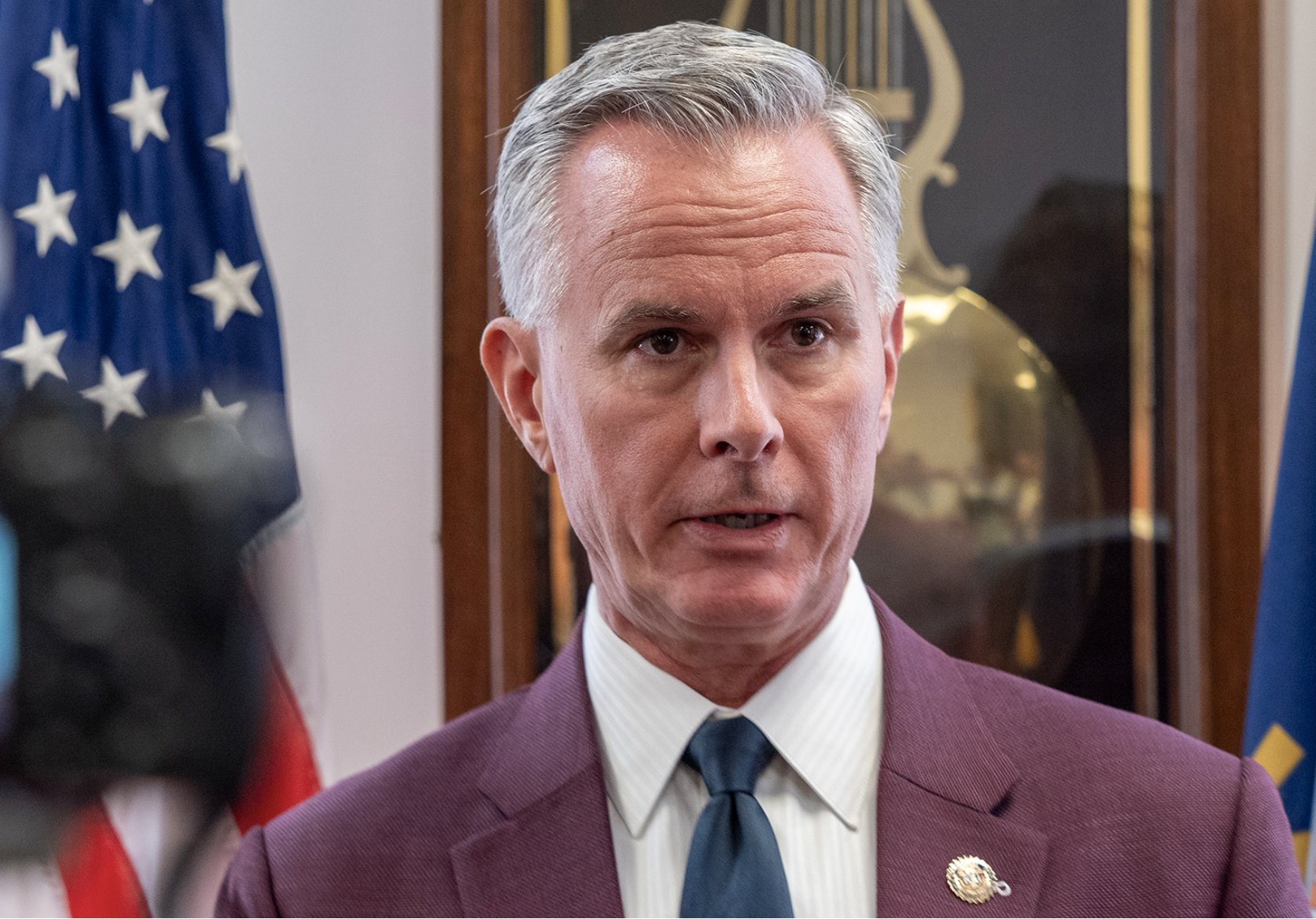
TOPEKA — Tony Mattivi, director of the Kansas Bureau of Investigation, described a high school wrestling coach, a paraprofessional, a speech pathologist and a bus driver who all had at least two things in common.
None was required to submit to a criminal history and background check before working in proximity to school-age children, and all were accused or convicted of criminal acts against children they worked near.
“I believe the public would be stunned to know how many people may come in contact with their child in the educational process during a school day who have not been subject to mandatory fingerprint-based criminal history and background checks,” Mattivi said at a Tuesday hearing before the Senate Judiciary Committee.
Mattivi urged approval of a bill that would require state and national fingerprint-based criminal history background checks for all employees and volunteers at public and private schools every five years. He characterized the absence of a requirement as a gap in public safety.
The Kansas State Department of Education already requires licensed teachers to undergo fingerprint-based background checks, but the bill would solidify that requirement in state law. Senate Bill 246 also proposes a new fingerprinted background check requirement for other school employees and contractors, such as janitors, cooks, coaches, therapists, paraprofessionals, bus drivers, volunteers and some administrators.
Those positions, Mattivi said, sometimes have greater and more private access to students than teachers do.
Applicants would have to foot the cost of a background check, or a school district could cover it.
Nicole Maddox, information services director at the KBI, said the $57 fee for fingerprint-based background checks covers processing costs for both the KBI and the FBI.
Sen. Mike Argabright, an Olpe Republican, was concerned with turnaround time. Many school boards only meet once a month, especially in rural areas, he said, and the bill as written could create a potential time crunch for the KBI to quickly run checks so schools can onboard the appropriate staff or volunteers.
The KBI currently promises a turnaround for background checks within 7-10 business days. The current average response time, Maddox said, is 9 hours.
The bill’s requirements would apply to approximately 44,000 teachers and 32,000 non-licensed staff each year, according to a fiscal note attached to the bill. If the cost per background check remains at $57, the state education department would receive an additional $4.3 million annually.
The bill is backed by multiple state agencies, and it was introduced last February at the behest of Steven Anderson, the state’s inspector general. It had no opponents.
In a 2023 audit, Anderson recommended almost exactly what the bill proposes, cementing in state law that fingerprint-based criminal background checks be performed in a five year cycle for all school employees.