


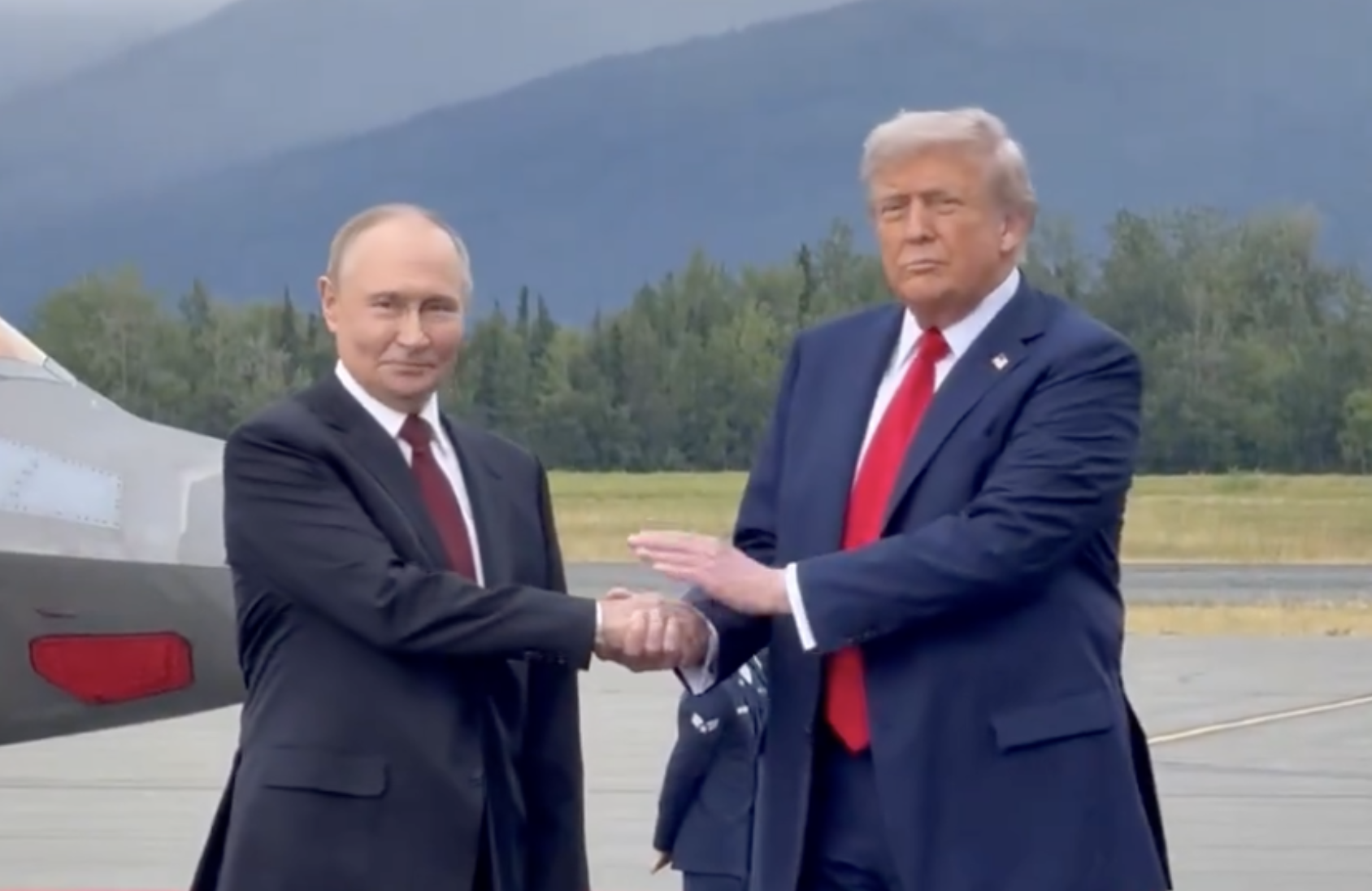
WASHINGTON (AP) —A first tanker carrying Russian diesel to the United States under a new import agreement has set sail, the Kremlin said Friday, two weeks after U.S. President Donald Trump said he struck a deal with President Vladimir Putin despite Moscow's invasion of Ukraine.
“The first oil tanker has sailed off to customers, and regular supplies will continue,” Kremlin spokesperson Dmitry Peskov said without elaborating.
The diesel deal was seen as an attempt by Trump to address high fuel prices ahead of the midterm elections.
It caused alarm and dismay in Ukraine, which has pleaded with foreign countries to tighten sanctions on Moscow and deny it revenue for the invasion launched in February 2022. In the U.S., the agreement was also criticized by both Republicans and Democrats for violating American laws and drawing the country closer to Russia. The deal joins a growing list of actions in which the Republican president has sided with Putin, often at Ukraine’s expense.
Marine intelligence firm Kpler said the vessel signaled that it was headed to New York to arrive Nov. 7 and would be the first Russian diesel delivery to the United States since July 2023.
The import agreement, which Trump says foresees millions more tons of Russian diesel reaching the U.S. in the coming months, is unlikely to make a dent in painfully high prices at the pump or elsewhere, energy policy experts say.
Russian Deputy Prime Minister Alexander Novak said earlier this week that the first shipment would amount to 40,000 tons of diesel, according to Russia’s Interfax news agency. That’s around 300,000 barrels, or about 7% of the roughly 4 million barrels of diesel the U.S. economy consumes in a single day.
Russia’s diesel production has come under strain from repeated Ukrainian drone strikes on its oil refineries. The attacks caused fuel shortages, which now have eased. Trump last month asked Kyiv to stop the attacks.
Ukrainian President Volodymyr Zelenskyy called Trump’s deal “a weak decision by strong partners.”
The diesel agreement was a sudden policy reversal, coming just weeks after Trump signed into law a sweeping sanctions package that called for up to 100% tariffs on the top five importers of Russian oil or natural gas. He later put the measures on hold.
The development is the latest twist in the at times volatile relationship between Trump and Zelenskyy, which in recent weeks has sunk to a new low.